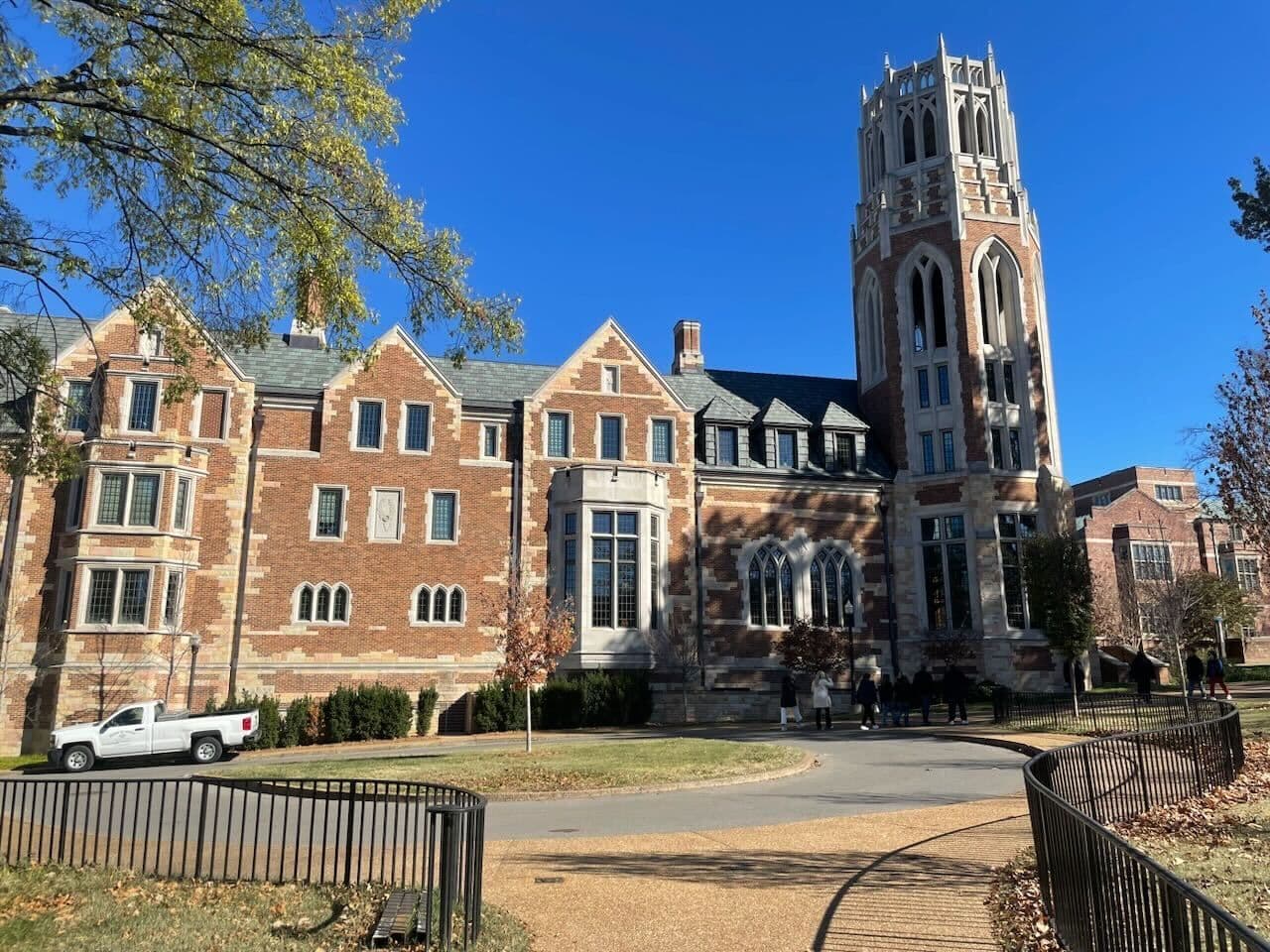

German and European Studies
The German and European Studies Bachelor of Arts program at Vanderbilt University offers a broad, interdisciplinary approach to understanding the history, politics, language, and culture of Germany and its role within Europe. Blending German language study with courses in history, political science, literature, philosophy, and international relations, the program allows students to examine the development of European societies, institutions, and identities. It fosters a deep appreciation of how German-speaking countries have influenced the intellectual, economic, and political foundations of modern Europe.
Students explore topics such as European integration, the legacy of World Wars, democratic institutions, migration, and cultural memory while building strong German language proficiency. The curriculum encourages comparative and thematic studies, enabling students to analyze European issues within global contexts. By developing skills in critical thinking, linguistic fluency, historical analysis, and cross-cultural interpretation, the program prepares students for careers or graduate study in internationally oriented fields.
Key Facts
Key Facts
- Program Title: German and European Studies
- Degree Type: Bachelor of Arts
- Duration: 4 years
- Mode of Study: Full-time, On Campus
- Application Deadline: 01 January 2026
- Location: Vanderbilt University, United States
- Field of Study: European Studies
- Language of Instruction: English
Program Structure
Year 1 – Language Foundations and Historical Overview
• Elementary German I & II
• Introduction to European Studies
• Survey of Modern European History
• Academic Writing in the Social Sciences
Year 2 – Political Structures and Cultural Narratives
• Intermediate German I & II
• European Political Systems
• German Literature in Translation
• Religion, Philosophy, and European Thought
Year 3 – Integration, Conflict, and Identity
• German Culture and Society Since 1945
• The European Union: Institutions and Challenges
• Memory and History in Postwar Europe
• Electives in Comparative Literature or Film
Year 4 – Advanced Inquiry and Research
• Advanced Seminar in German or European Studies
• Independent Research or Honors Thesis
• Global Perspectives on European Integration
• Capstone Project in Transnational European Themes
Career Opportunities
Graduates of the German and European Studies program are well equipped for careers in international relations, public policy, diplomacy, and cultural institutions, where knowledge of European languages, history, and politics is highly valued. Many pursue roles in government agencies, nonprofits, or global organizations, contributing to foreign affairs, human rights, or transatlantic partnerships. Others enter translation, journalism, or academic research, applying their skills in cultural analysis and communication. The program also offers excellent preparation for graduate study in European studies, international law, global history, or comparative politics. With their interdisciplinary training and regional expertise, graduates bring contextual understanding, analytical rigor, and language-based insight to careers that operate across borders and cultures.
Why Choose This Program
Vanderbilt’s German and European Studies program combines academic rigor with intellectual flexibility, allowing students to explore Europe’s evolving identity through both local and transnational lenses. The curriculum emphasizes language proficiency, historical awareness, critical theory, and global engagement, enabling students to connect cultural knowledge with contemporary policy and societal issues. Faculty bring expertise in European politics, literature, and philosophy, mentoring students through research and interdisciplinary inquiry. Study abroad opportunities and immersion programs further deepen students' connection to the region and enhance their fluency in both language and culture. Whether students envision careers in international service, diplomacy, or academic research, this program provides a foundation rooted in thoughtful analysis, global literacy, and cultural competency, empowering them to engage meaningfully with European affairs and beyond.
Contact Information
For further information, please contact the admissions office at:
Phone: (615) 322-2561
Email: admissions@vanderbilt.edu
Address: University of Vanderbilt, Office of Undergraduate Admissions, 2305 West End Avenue, Nashville, TN 37203‑1727, United States
