.png&w=640&q=75)
Global Challenges - History, Policy, Practice
The Master of Arts in Global Challenges - History, Policy, Practice at the University of Southampton examines the major global issues facing the world today, from a historical, policy-driven, and practical perspective. This one-year, full-time program explores topics such as global conflict, economic inequality, human rights, and environmental sustainability. Students learn how historical events have shaped current global challenges and how policy interventions can address these issues.
Delivered on-campus, the program combines historical analysis with policy development and real-world practice. Graduates are equipped for careers in international organizations, policy-making bodies, and non-governmental organizations (NGOs), where they can develop and implement solutions to global challenges.
Key Facts
Key Facts
- Program Title: Global Challenges - History, Policy, Practice
- Degree Type: Master of Arts
- Duration: 1 year
- Mode of Study: Full-time, On Campus
- Application Deadline: 09 September 2026
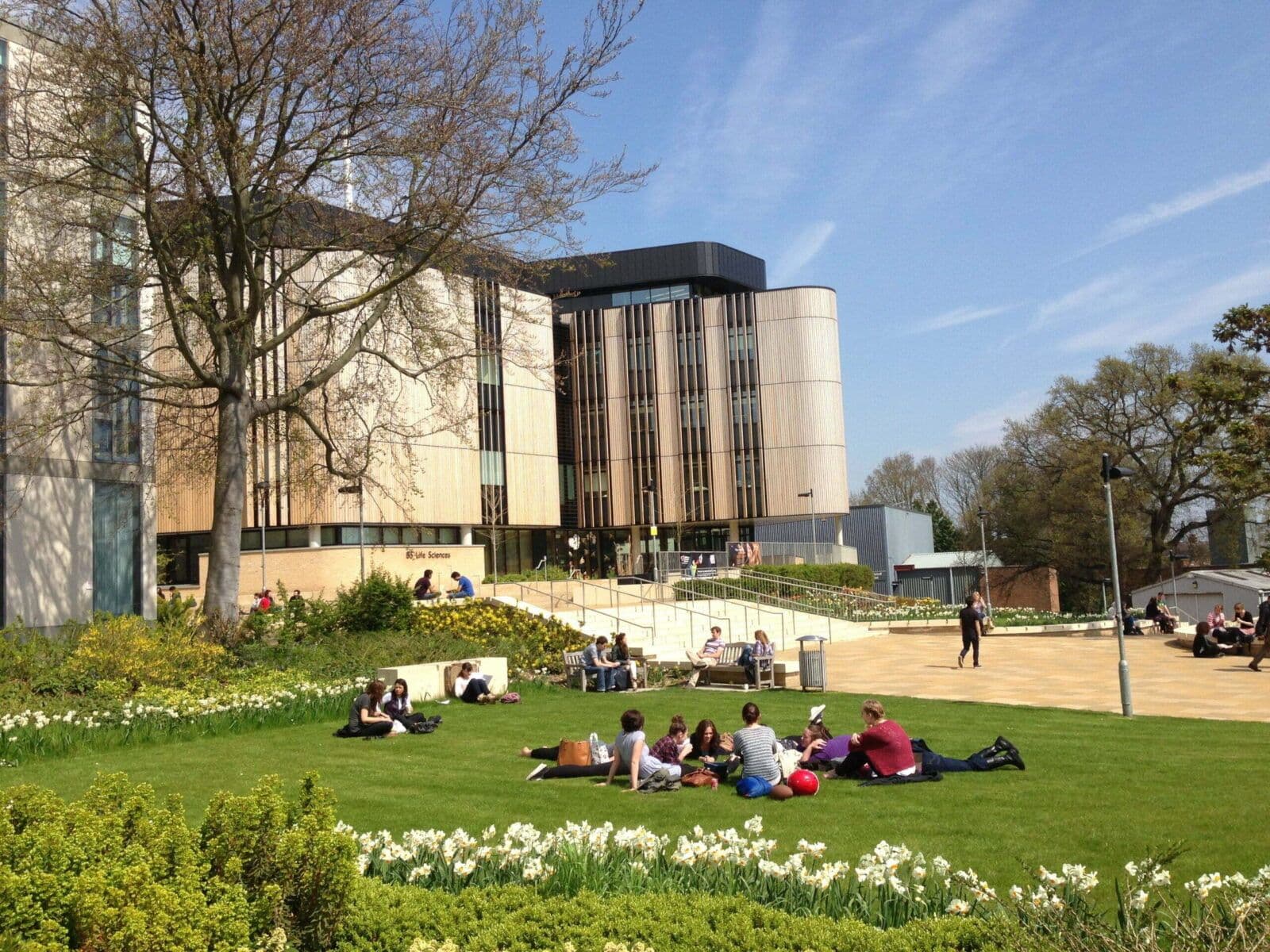
- Location: University of Southampton, United Kingdom
- Field of Study: History
- Language of Instruction: English
Program Structure
Semester 1 – Foundations of Global Challenges: History, Policy, and Practice
- Introduction to Global History and Contemporary Issues
- Global Governance and International Policy
- Conflict and Cooperation in the Modern World
- Research Methods in History and Policy
Semester 2 – Advanced Global Challenges and Policy Responses
- Human Rights and Humanitarian Interventions
- Environmental and Climate Change Policy
- Global Health and Economic Inequality
- Research Project / Applied Global Challenges Analysis
Career Opportunities
Graduates of this program can pursue careers in international relations, global policy analysis, and development studies. Common roles include policy analyst, international relations officer, human rights advocate, and global development consultant. Graduates can work in governmental organizations, international NGOs, think tanks, global corporations, and research institutions, addressing pressing global issues such as climate change, conflict resolution, human rights, and economic inequality. Opportunities also exist in international organizations like the United Nations, as well as in diplomatic services and policy advocacy.
Why Choose This Program
This program provides a comprehensive understanding of global challenges and the policy responses required to address them. With a focus on historical context, policy analysis, and practical solutions, students will explore a range of contemporary global issues, from climate change to human rights. The curriculum blends theory with real-world applications, equipping students with the critical thinking and research skills needed to understand and tackle global crises. The University’s strong academic foundation, combined with hands-on research opportunities and connections to international organizations, ensures that graduates are well-prepared to make meaningful contributions in global policy and practice.
Contact Information
For further information, please contact the admissions office at:
Phone: +44 (0)23 8059 5000
Email: admissions@soton.ac.uk
Address: University of Southampton, Highfield, Southampton, SO17 1BJ, United Kingdom
