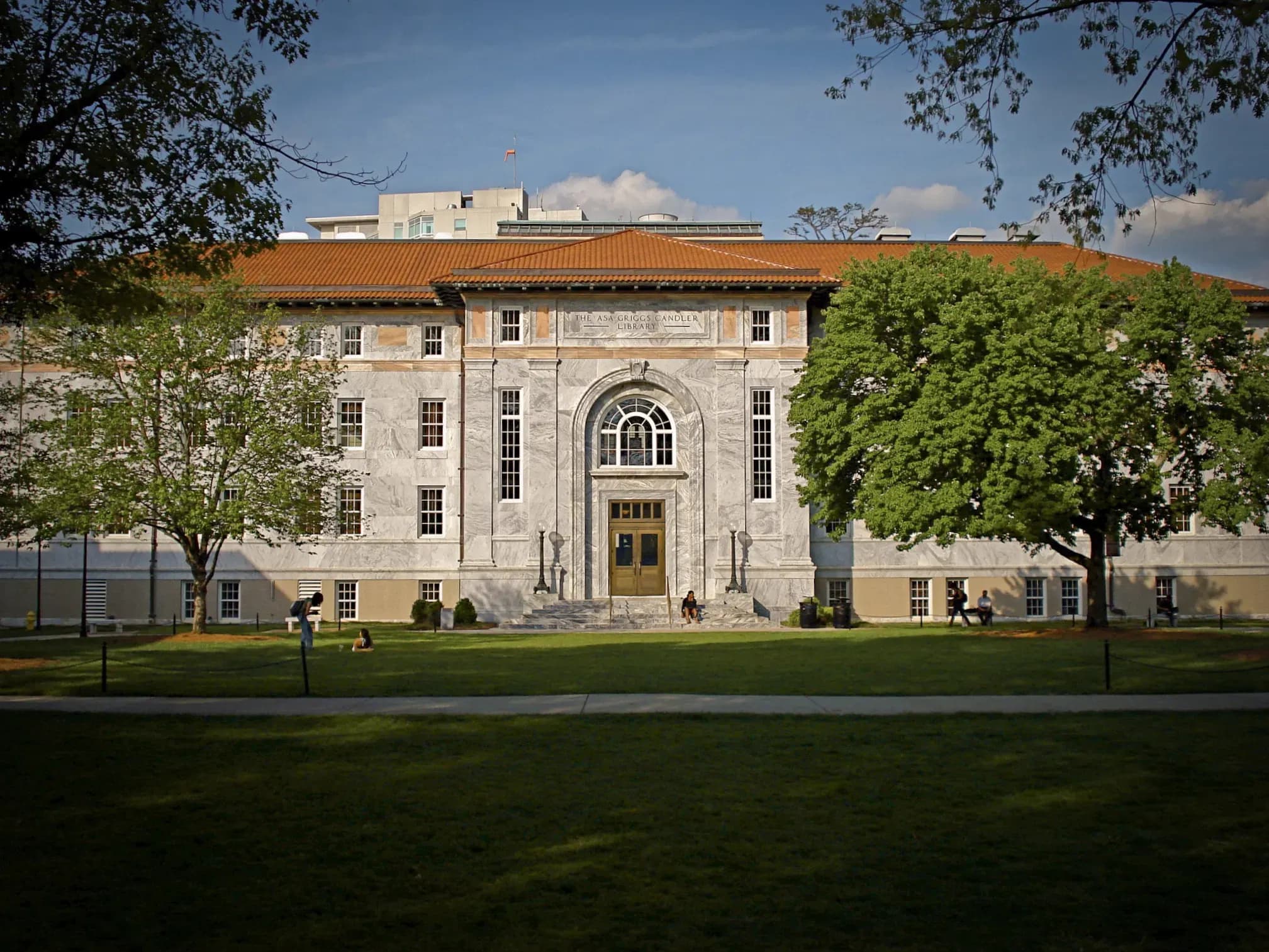

Global Environmental Health
Emory University’s Master of Public Health in Global Environmental Health is a two-year, full-time program that prepares students to address environmental health challenges on a global scale through a combination of scientific research, policy development, and public health practice. The program focuses on understanding how environmental exposures—such as air pollution, climate change, water quality, and toxic substances—affect the health of populations, especially in low- and middle-income countries. Students explore the intersection of environmental science and public health while gaining a solid foundation in epidemiology, biostatistics, toxicology, and exposure assessment.
Emory’s program emphasizes practical skills, research competence, and interdisciplinary collaboration. Students participate in fieldwork, internships, and applied research projects, often in partnership with international organizations, public health agencies, and environmental institutions. With its strong ties to the CDC and global NGOs, Emory offers unique opportunities for hands-on experience in both domestic and international contexts. This program is ideal for individuals who are passionate about solving critical environmental issues, preventing disease, and improving quality of life through science-informed public health strategies rooted in global equity and environmental justice.
Key Facts
Key Facts
- Program Title: Global Environmental Health
- Degree Type: Master of Public Health
- Duration: 2 years
- Mode of Study: Full-time, On Campus
- Application Deadline: 03 May 2026
- Location: Emory University, United States
- Field of Study: Health Sciences
- Language of Instruction: English
Program Structure
Semester 1 – Environmental Health Fundamentals
- Principles of Exposure Science
- Environmental Epidemiology
- Global Environmental Health Policy
- Biostatistics for Public Health
Semester 2 – Risk, Assessment, and Climate Focus
- Toxicology and Human Health
- Climate Change and Health
- Risk Assessment and Communication
- Public Health Surveillance Systems
Semester 3 – Fieldwork and Data Integration
- Global Field Practicum in Environmental Health
- Spatial Data Analysis and GIS
- Monitoring and Evaluation in Global Health
- Environmental Justice in Vulnerable Populations
Semester 4 – Advanced Research and Capstone
- Master’s Thesis or Applied Research Project
- Seminar in Global Environmental Health Challenges
- Advanced Methods in Environmental Health Sciences
- Scientific Writing and Public Health Communication
Career Opportunities
Graduates of the Global Environmental Health program are uniquely qualified to work in international and domestic organizations where public health and environmental science converge. Career paths include roles in global health agencies, environmental research institutions, non-governmental organizations, and governmental bodies such as the WHO, CDC, EPA, and USAID. Alumni frequently become environmental health specialists, public health advisors, policy analysts, or program managers overseeing sanitation, pollution control, or climate response initiatives. They are also recruited by academic research centers, humanitarian organizations, and global consultancies addressing the health effects of environmental hazards. The program’s strong emphasis on applied experience, research, and interdisciplinary knowledge enables graduates to design and implement evidence-based interventions that reduce environmental risks, promote resilience, and improve health equity—especially in under-resourced regions affected by climate and industrial impacts.
Why Choose This Program
This program stands out for its commitment to training public health professionals who can tackle complex environmental health problems with global relevance. Emory University combines academic excellence with strong partnerships across health and environmental sectors, enabling students to apply classroom knowledge directly to real-world challenges. The curriculum is deeply interdisciplinary, encouraging students to engage with topics such as climate change, toxicology, and global policy while also building technical skills in data analysis, communication, and field research. Emory’s proximity to the CDC and other Atlanta-based institutions enhances students' access to expert faculty, research collaborations, and meaningful internships. Whether your goal is to work in humanitarian aid, shape environmental policy, or conduct scientific research in global contexts, this program offers a transformative education that prepares you to lead with impact and integrity in the evolving field of environmental health.
Contact Information
For further information, please contact the admissions office at:
Phone: +1 404 727 6123
Email: contentedit@emory.edu
Address: University of Emory, 201 Dowman Drive, Atlanta, GA 30322, United States
