
Global Health Studies
The Global Health Studies program provides a comprehensive and interdisciplinary foundation for understanding health challenges and solutions from a worldwide perspective. It explores the biological, cultural, political, economic, and environmental determinants of health across populations. Students gain insight into major health issues such as infectious disease outbreaks, chronic illness, mental health, and access to care, all within the context of global inequalities and health systems. With a curriculum that combines public health, anthropology, sociology, political science, and statistics, the program trains students to think critically about how health is shaped and experienced across different societies.
This degree emphasizes both academic and practical engagement. Through research opportunities, global case studies, and experiential learning such as fieldwork or internships, students are encouraged to apply their knowledge to real-world problems. Courses examine topics like global pandemics, maternal and child health, health equity, and humanitarian response. Faculty guide students through analysis of policies, programs, and data, while promoting ethical and culturally sensitive approaches to global health interventions. By the end of the program, graduates will have developed analytical skills, global awareness, and a public health perspective essential for addressing the world’s most pressing health challenges.
Key Facts
Key Facts
- Program Title: Global Health Studies
- Degree Type: Bachelor of Arts
- Duration: 4 years
- Mode of Study: Full-time, On Campus
- Application Deadline: 02 January 2026
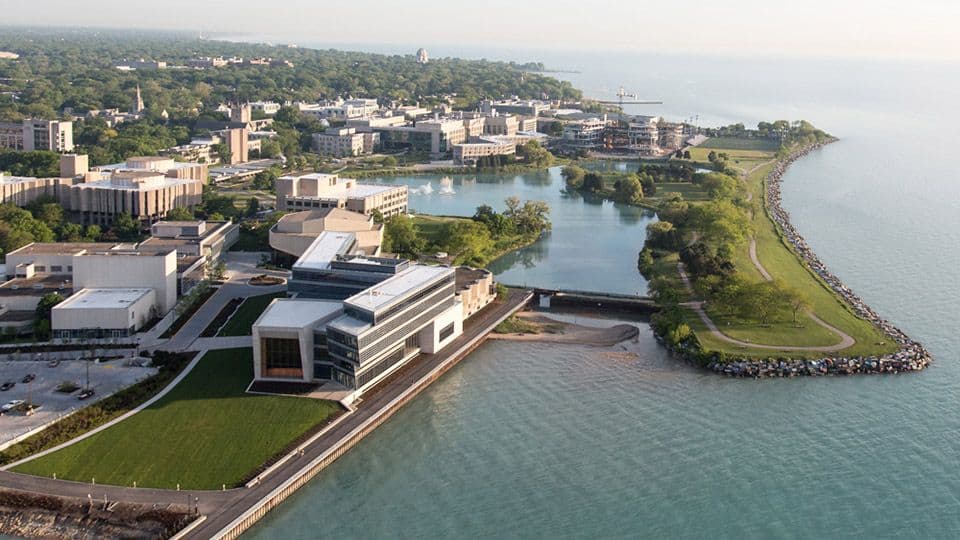
- Location: Northwestern University, United States
- Field of Study: Public Health
- Language of Instruction: English
Program Structure
Year 1
• Introduction to Global Health
• Foundations of Public Health
• Global Social and Political Systems
• Human Biology and Health
• Academic Writing in the Health Sciences
Year 2
• Epidemiology and Health Data
• Health Policy and Ethics
• Culture, Health, and Society
• Environmental and Urban Health
• Quantitative Methods in Global Health
Year 3
• Infectious and Chronic Diseases
• Health and Human Rights
• Maternal and Child Health
• Global Health Research Methods
• Internship or Field-Based Learning
Year 4
• Health Systems and Policy Analysis
• Global Health Seminar
• Capstone Project in Global Health
• Elective: Migration and Health, Global Nutrition, or Pandemic Response
• Advanced Statistics or Qualitative Analysis
Career Opportunities
Graduates of the Global Health Studies program are prepared for a wide range of roles in public health agencies, international NGOs, research institutions, and nonprofit organizations working in global development. Many work as program coordinators, policy analysts, health educators, research assistants, or advocacy specialists, contributing to initiatives focused on disease prevention, humanitarian relief, and health systems strengthening. Others pursue advanced study in public health, medicine, epidemiology, or global policy. The degree also supports careers in health communications, monitoring and evaluation, and community-based health programs. With a growing global demand for professionals who understand the complexity of health challenges and can work across cultures and sectors, this program equips students with practical skills and global insight to make a meaningful impact.
Why Choose This Program
This program offers an ideal path for students who want to explore how health is experienced and shaped globally, while building the skills needed to improve it. Its interdisciplinary structure ensures that students approach health problems from social, scientific, and policy angles, resulting in a well-rounded and applied understanding. The curriculum integrates theory with practice, allowing students to conduct field research, participate in service learning, or work with international partners. Faculty are active scholars in global health and public policy, providing mentorship and real-world context throughout the academic journey. For those passionate about global equity, social justice, and public impact, this program offers a unique, immersive, and mission-driven education.
Contact Information
For further information, please contact the admissions office at:
Phone: +1 312 555 2040
Email: admissions@northwestern.edu
Address: University of Northwestern, 633 Clark Street, Evanston, IL 60208, United States
