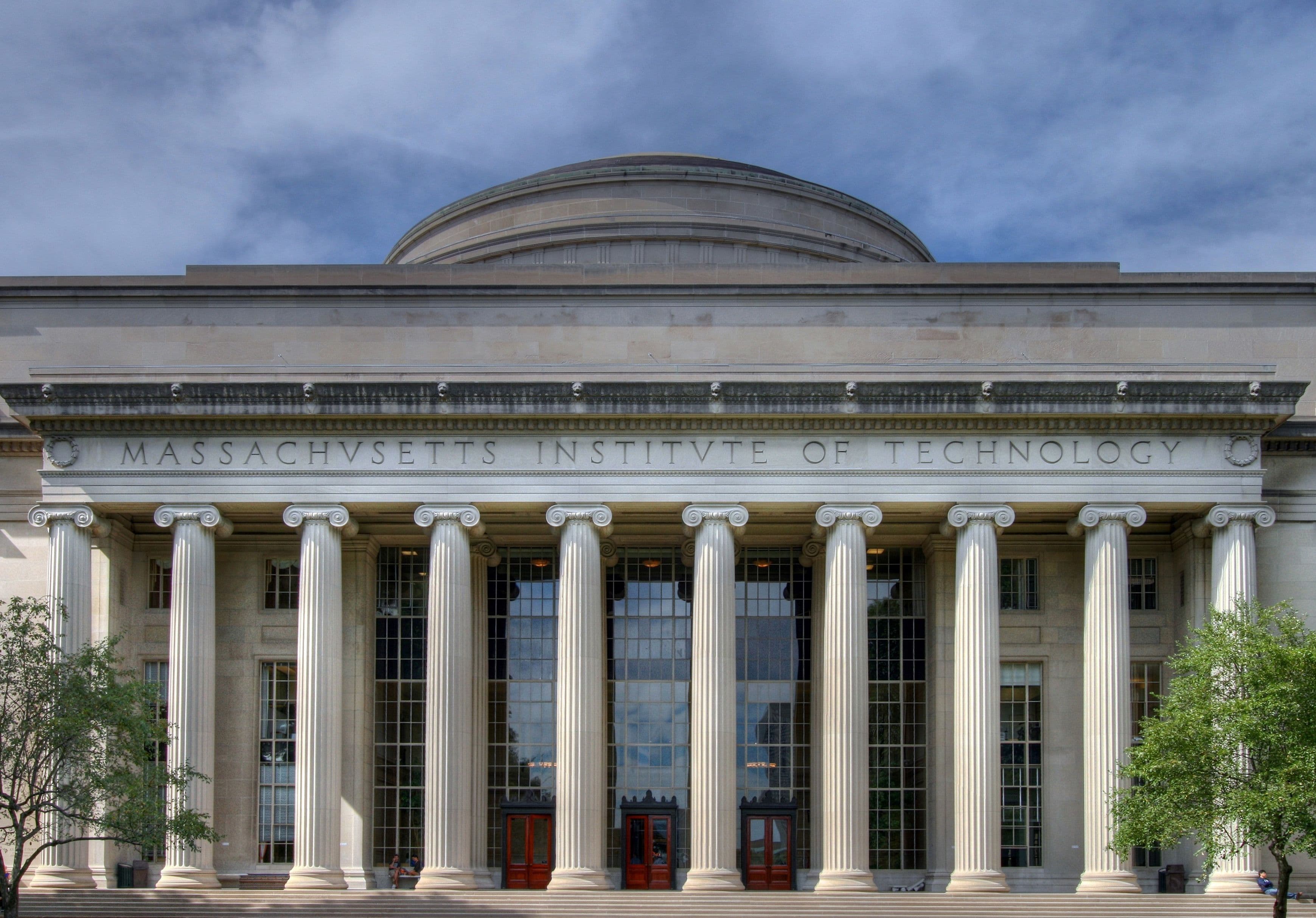

Global Studies and Languages
The Global Studies and Languages Bachelor of Science program provides an interdisciplinary approach to understanding international societies, cultures, and languages. Students explore global issues through the lenses of cultural analysis, political systems, and linguistic proficiency, developing the ability to critically evaluate how regional and international dynamics shape social, economic, and political realities. The curriculum emphasizes both theoretical frameworks and practical applications, enabling learners to connect academic knowledge with real-world global challenges. By combining language acquisition with area studies, students gain insights into the complexities of cultural interaction, communication, and global engagement.
Throughout the program, students participate in research projects, immersive language study, and fieldwork opportunities that enhance cultural literacy and analytical thinking. They develop skills in cross-cultural communication, policy analysis, and comparative research methods, preparing them for careers that demand nuanced understanding of global societies. Access to faculty expertise, study abroad options, and collaborative learning environments allows students to integrate theoretical knowledge with practical experiences. Graduates emerge with the intellectual and linguistic competence needed to pursue roles in international organizations, diplomacy, education, or global research initiatives.
Key Facts
/h3
Key Facts
- Program Title: Global Studies and Languages
- Degree Type: Bachelor of Science
- Duration: 4 years
- Mode of Study: Full-time, On Campus
- Application Deadline: 06 January 2026
- Location: Massachusetts Institute of Technology (MIT), United States
- Field of Study: Area & Cultural Studies
- Language of Instruction: English
Program Structure
Year 1 – Foundations in Global Studies and Languages
• Introduction to Global Studies
• Fundamentals of a Selected Language
• Cultural Analysis and Comparative Methods
• International Issues and Perspectives
Year 2 – Core Area Studies and Language Development
• Regional Politics and Societies
• Intermediate Language Proficiency
• Global Economics and Policy
• Research Methods in Area Studies
Year 3 – Advanced Regional and Cross-Cultural Analysis
• Politics, Society, and Culture in Selected Regions
• Advanced Language Skills and Communication
• Fieldwork or Study Abroad Project
• Electives in History, Economics, or Cultural Studies
Year 4 – Integration, Specialization & Capstone
• Contemporary Global Challenges
• Comparative Cultural Analysis
• Capstone Research Project
• Specialized Electives in Regional or Thematic Studies
Career Opportunities
Graduates of this program are prepared for careers that require strong analytical skills, cross-cultural competence, and linguistic proficiency. Many pursue roles in international relations, diplomacy, global policy research, education, and nonprofit organizations, while others contribute to research institutions, translation services, or cultural programming. The program also provides a solid foundation for graduate study in international studies, public policy, linguistics, or global development, where interdisciplinary understanding and language skills are essential.
Why Choose This Program
This program is ideal for students who want to engage with global issues through a combination of language mastery and area-specific cultural knowledge. The curriculum emphasizes critical thinking, research-based learning, and experiential study, allowing students to develop nuanced perspectives on international relations and societal dynamics. Students benefit from immersive learning opportunities, collaborative projects, and faculty mentorship, which support both professional and academic growth. With its interdisciplinary and applied focus, the program equips learners to navigate global environments and contribute effectively to international initiatives and research.
Contact Information
For further information, please contact the admissions office at:
Phone: +1 617-253-1000
Email: admissions@mit.edu
Address: University of MIT, 77 Massachusetts Avenue, Cambridge, MA 02139, USA
