.png&w=640&q=75)
Health Promotion and Behavioral Science
Health Promotion and Behavioral Science program provides students with a comprehensive understanding of the psychological, social, and behavioral factors that influence health and well-being. Over four years, students study health psychology, behavioral interventions, community health, epidemiology, and health communication, gaining the knowledge and skills necessary to promote healthier lifestyles and prevent disease. The curriculum combines theoretical study with applied research, experiential learning, and community projects, allowing students to analyze behaviors, design interventions, and evaluate outcomes in diverse populations. Students also explore the relationships between mental health, behavior, and public health, preparing them to address complex challenges in health promotion and wellness initiatives.
Students participate in laboratory research, community outreach programs, behavioral assessment projects, and internships, gaining practical experience in designing and implementing health interventions, analyzing behavioral data, and promoting public health campaigns. The program emphasizes research skills, analytical thinking, and applied expertise, preparing graduates for careers in public health, health education, wellness coaching, behavioral research, and program evaluation. Graduates leave with the ability to assess health behaviors, develop evidence-based strategies, and contribute meaningfully to improving individual and community health outcomes.
Key Facts
Key Facts
- Program Title: Health Promotion and Behavioral Science
- Degree Type: S. Bachelor
- Duration: 4 years
- Mode of Study: Full-time, On Campus
- Application Deadline: 01 December 2025
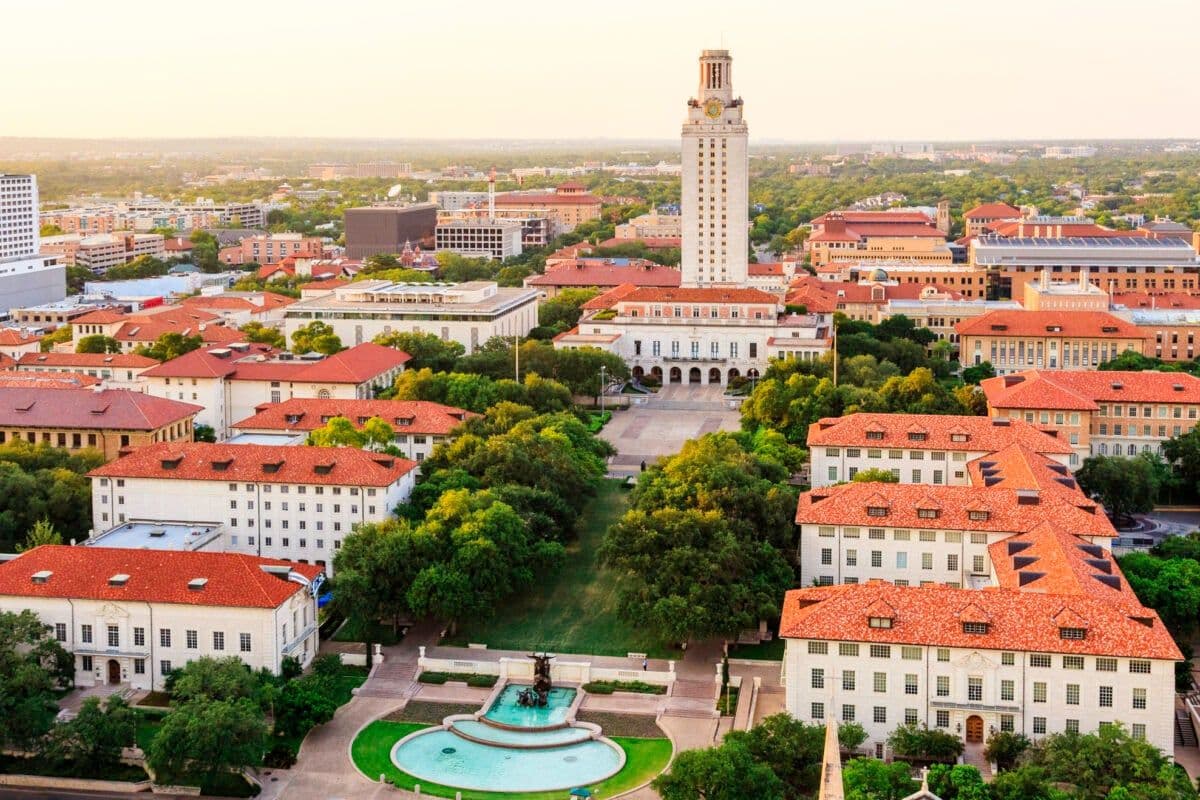
- Location: University of Texas at Austin, United States
- Field of Study: Psychology
- Language of Instruction: English
Program Structure
Year 1 – Foundations in Health and Behavioral Science
- Introduction to Health Promotion
- Principles of Psychology
- Research Methods and Statistics
- Human Development and Behavior
Year 2 – Intermediate Health and Behavioral Studies
- Health Psychology and Behavior Change
- Community Health and Wellness
- Epidemiology and Public Health Principles
- Health Communication and Program Planning
Year 3 – Advanced Behavioral Science and Applied Practice
- Behavioral Interventions and Counseling
- Nutrition and Lifestyle Management
- Electives in Mental Health, Stress Management, or Chronic Disease Prevention
- Research Project in Health Promotion
Year 4 – Capstone Projects and Professional Preparation
- Independent Research / Thesis
- Internship in Health Departments, NGOs, or Community Programs
- Applied Health Promotion Projects
- Professional Portfolio Development
Career Opportunities
Graduates are prepared for careers in public health, wellness and lifestyle coaching, behavioral research, community health education, program evaluation, and health policy implementation. They may work in hospitals, community health centers, NGOs, governmental agencies, corporate wellness programs, or research institutions, applying their expertise to design, implement, and assess health promotion interventions. The program equips students with analytical skills, research proficiency, communication abilities, and practical experience, enabling them to improve individual and community health outcomes effectively. By combining theoretical foundations with applied research and field experience, graduates are prepared to make meaningful contributions to the fields of behavioral science, health promotion, and community well-being.
Why Choose This Program
This program offers a comprehensive and applied approach to understanding health behaviors and promoting wellness, integrating psychology, behavioral science, and practical experience. Its curriculum fosters critical thinking, research skills, and professional competence while students engage in applied projects, community interventions, and internships. Guided by experienced faculty and supported by access to research labs, community programs, and health promotion resources, students develop expertise in behavior assessment, intervention design, and program evaluation. Graduates leave the program with strong applied skills, research experience, and professional readiness, fully prepared for careers in health promotion, behavioral science, community health, and wellness initiatives.
Contact Information
For further information, please contact the admissions office at:
Phone: +1 (512) 471-3434
Email: gradadmissions@utexas.edu
Address: 110 Inner Campus Drive, Stop G1800, Austin, TX 78712, USA
