.png&w=640&q=75)
Historic Preservation
The Historic Preservation Master of Architecture program at Texas University is a two-year, full-time on-campus graduate degree designed to train professionals in the conservation, adaptive reuse, and stewardship of historic buildings, cultural landscapes, and architectural heritage. Blending architectural theory with hands-on preservation techniques, the program equips students with the skills to analyze historical significance, document built environments, and implement sustainable strategies that honor the past while serving contemporary needs. The curriculum integrates design thinking, material science, architectural history, and planning policy, creating a comprehensive framework for preserving the physical and cultural layers of place.
Students work closely with faculty, preservationists, and architects on site-based projects, using digital and traditional methods to evaluate structures, assess integrity, and propose rehabilitation solutions. Emphasis is placed on legal regulations, cultural context, and community engagement, encouraging students to approach preservation not only as a technical field, but also as a social and ethical responsibility. Through research studios, archival studies, and collaborative fieldwork, students build the foundation to lead projects that bridge design excellence with historical sensitivity in urban and rural settings alike.
Key Facts
Key Facts
- Program Title: Historic Preservation
- Degree Type: Master of Architecture
- Duration: 2 years
- Mode of Study: Full-time, On Campus
- Application Deadline: 15 December 2025
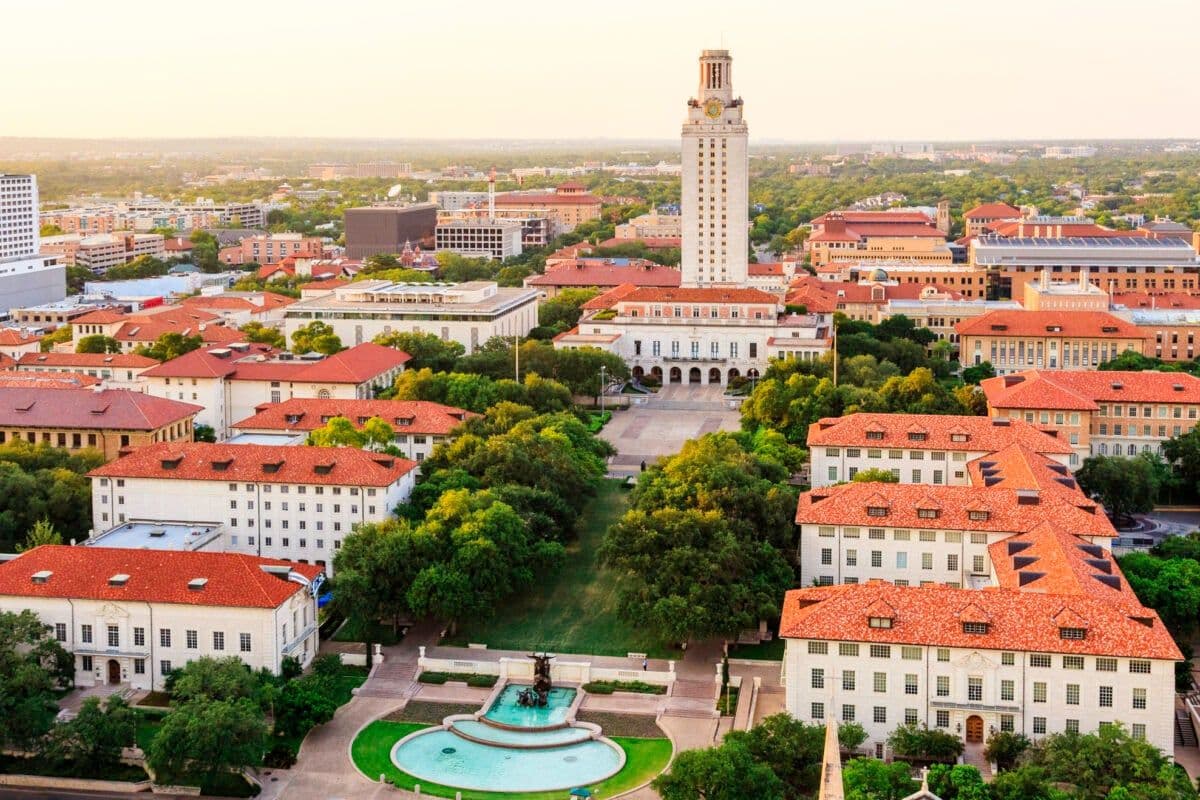
- Location: University of Texas at Austin, United States
- Field of Study: Landscape Architecture
- Language of Instruction: English
Program Structure
Semester 1 – Foundations in Preservation and Design
- Principles of Historic Preservation
- Architectural Documentation and Recording
- Building Materials and Conservation Science
- Design Studio I: Adaptive Reuse
Semester 2 – Analysis, Context, and Practice
- American Architectural History and Theory
- Preservation Law and Public Policy
- Cultural Landscapes and Urban Heritage
- Design Studio II: Contextual Design Solutions
Semester 3 – Specialized Methods and Fieldwork
- Advanced Conservation Techniques
- Digital Tools for Historic Analysis
- Community Engagement and Heritage Interpretation
- Field Studio: Survey and Assessment of Historic Sites
Semester 4 – Capstone and Professional Integration
- Preservation Economics and Project Management
- Thesis or Capstone Design Project
- Ethics and Advocacy in Preservation Practice
- Seminar: Global Approaches to Conservation
Career Opportunities
Graduates of this program are uniquely positioned to pursue impactful careers in architecture firms, heritage conservation agencies, urban planning departments, and nonprofit preservation organizations. Common roles include historic preservation architect, restoration consultant, heritage planner, and cultural resource manager. Their expertise is also sought after in municipal design review boards, historical societies, and international heritage foundations. With training in technical assessment, design adaptation, and policy navigation, alumni are equipped to lead projects that protect historic integrity while meeting the functional demands of modern use. Whether working on restoring public buildings, revitalizing downtown districts, or preserving cultural landmarks, they play a critical role in shaping sustainable, inclusive, and memory-rich built environments.
Why Choose This Program
This program offers a rare and rigorous blend of design education, technical mastery, and cultural sensitivity, making it ideal for students who wish to engage deeply with the built environment’s historical dimension. At Texas University, students benefit from access to heritage archives, preservation laboratories, and fieldwork opportunities in historically significant regions. The program fosters interdisciplinary learning through collaborations with experts in history, planning, and material science. With its two-year structure, it provides the time and depth needed to explore both local and global preservation challenges. For those committed to protecting architectural legacies while envisioning their future relevance, this program delivers the vision, skillset, and leadership development needed to become stewards of the world’s cultural heritage.
Contact Information
For further information, please contact the admissions office at:
Phone: +1 (512) 471-3434
Email: gradadmissions@utexas.edu
Address: 110 Inner Campus Drive, Stop G1800, Austin, TX 78712, USA
