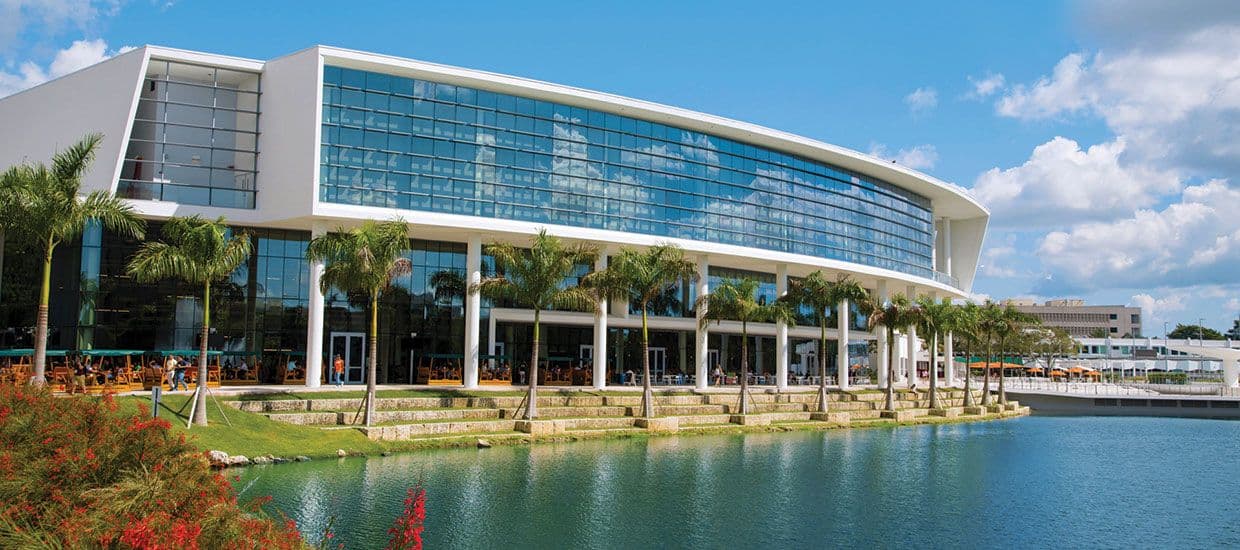

The History program at the University of Miami invites students to explore the forces, movements, and ideas that have shaped civilizations over centuries. Through a comprehensive curriculum that spans ancient to modern times, students develop a nuanced understanding of political, economic, social, and cultural change. This program encourages critical thinking about historical narratives and the role of memory, interpretation, and perspective in shaping our understanding of the past. From global empires and revolutions to intellectual movements and everyday life, students are exposed to a rich tapestry of human experience across different periods and regions.
In addition to building deep content knowledge, the program focuses on developing essential academic skills such as evidence-based argumentation, analytical reading, and effective communication. Students learn to evaluate primary sources, engage with diverse historiographical debates, and conduct independent research. The department’s dedicated faculty support exploration across thematic interests such as gender, race, religion, diplomacy, and technology. With flexible course offerings and opportunities for archival work or internships, the program provides a strong foundation for careers requiring critical inquiry, contextual thinking, and historical awareness.
Key Facts
Key Facts
- Program Title: History
- Degree Type: Bachelor of Arts
- Duration: 4 years
- Mode of Study: Full-time, On Campus
- Application Deadline: 05 January 2026
- Location: University of Miami, United States
- Field of Study: History
- Language of Instruction: English
Program Structure
Year 1 – Foundations of Historical Inquiry
• Introduction to Historical Methods
• Ancient Civilizations
• Global History Since 1500
• Writing in the Humanities
Year 2 – Expanding Regional and Thematic Knowledge
• History of the Americas
• European Political History
• Historical Research and Writing
• Elective in African or Asian History
Year 3 – Specialized Topics and Interpretation
• History of Revolutions
• Gender and Society in History
• U.S. Foreign Relations
• Religion and Empire
Year 4 – Advanced Research and Capstone Experience
• Senior Seminar in History
• Archival Research or Internship
• Comparative Historical Analysis
• Thesis or Special Project
Career Opportunities
A History degree opens the door to a wide range of careers in education, law, public policy, and cultural institutions, where analytical and interpretive skills are highly valued. Graduates often work as museum professionals, researchers, educators, archivists, or historical consultants. Many pursue graduate studies in history, international relations, or library science, or attend law school or other professional programs. The program’s emphasis on critical reading, writing, and argumentation equips students to thrive in sectors such as journalism, publishing, and governmental service. With training in understanding long-term trends and societal shifts, history graduates are well-prepared to make meaningful contributions to today’s rapidly evolving world.
Why Choose This Program
The University of Miami’s History program offers an intellectually rich and flexible learning environment where students are encouraged to connect the past with the present. Courses are taught by scholars active in research and publication, providing students access to cutting-edge historical perspectives and mentorship. The curriculum allows for exploration across geographic and thematic boundaries, supporting both breadth and depth of study. Opportunities for hands-on experience through archives, digital humanities projects, and internships enhance practical learning. By cultivating strong research abilities and communication skills, the program prepares students not only for diverse careers but also for engaged and thoughtful citizenship. Its emphasis on interpretive analysis, historical literacy, and critical reflection makes it a valuable and transformative academic journey.
Contact Information
For further information, please contact the admissions office at:
Phone: +1 305 284 2000
Email: admissions@miami.edu
Address: University of Miami, 1320 S Dixie Hwy, Coral Gables, FL 33146, United States
