
History
The master’s program in history provides students with a deep understanding of global historical events, critical analysis, and historiographical methods. Over the course of two years, students explore diverse areas such as political history, cultural movements, economic transformations, and social change. The program emphasizes both research-based inquiry and analytical reasoning, encouraging students to examine the causes, consequences, and contexts of historical developments. Through seminars, independent projects, and guided research, participants develop skills to evaluate sources critically, construct coherent arguments, and present findings effectively.
In addition to traditional historical study, the program encourages students to engage with contemporary debates and interdisciplinary perspectives. Students participate in hands-on research projects, archival investigations, and collaborative workshops that foster analytical rigor and methodological competence. By the end of the program, graduates are well-prepared to pursue careers in education, research, cultural institutions, or policy, while also gaining the expertise needed for further academic study or professional leadership in historical and cultural fields.
Key Facts
Key Facts
- Program Title: History
- Degree Type: Master of Arts
- Duration: 2 years
- Mode of Study: Full-time, On Campus
- Application Deadline: 05 December 2025
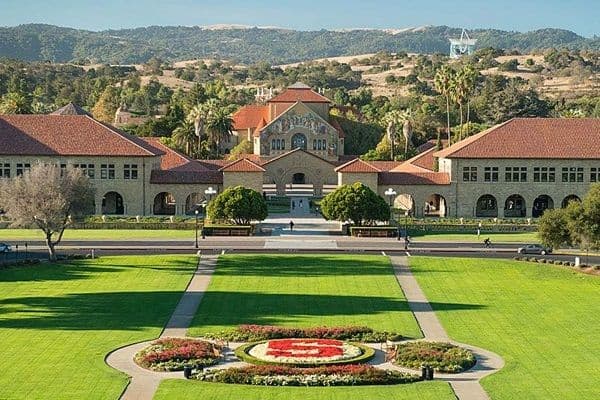
- Location: Stanford University, United States
- Field of Study: History
- Language of Instruction: English
Program Structure
Semester 1 – Foundations of Historical Study
- Introduction to Historical Methods
- Global Political History
- Cultural and Social Movements
- Research Methods in History
Semester 2 – Regional and Comparative History
- European and Asian History
- History of Ideas and Philosophy
- Economic and Social Transformations
- Seminar: Comparative Historical Analysis
Semester 3 – Advanced Topics and Specialization
- Thematic Research in History
- Archival and Source Analysis
- Elective Modules in Political, Cultural, or Social History
- Independent Research Project
Semester 4 – Master’s Thesis & Capstone
- Thesis Research and Writing
- Data Analysis and Historical Interpretation
- Academic Presentation and Portfolio Development
- Seminar: Advanced Historical Debates
Career Opportunities
Graduates of this program are prepared for careers in research, education, cultural institutions, museums, archives, publishing, and policy analysis. The curriculum equips students with critical thinking, analytical reasoning, and advanced research skills, allowing them to evaluate historical evidence, communicate effectively, and contribute to informed decision-making. Alumni can work as historians, educators, archivists, policy advisors, or content specialists in cultural and heritage organizations. The program also prepares students for doctoral studies and academic research, providing the expertise, methodological rigor, and practical experience necessary for leadership in historical and cultural sectors.
Why Choose This Program
This two-year program offers a comprehensive and immersive approach to historical study, combining rigorous academic research with practical applications. Students develop skills in historical analysis, archival research, and scholarly writing while engaging in seminars, workshops, and collaborative projects. The curriculum emphasizes both independent inquiry and critical engagement with global perspectives, enabling graduates to address complex historical questions and interpret contemporary issues with a historical lens. By fostering intellectual curiosity, methodological rigor, and professional readiness, the program ensures students acquire the knowledge, analytical skills, and practical experience needed to succeed in academic, cultural, and professional environments.
Contact Information
For further information, please contact the admissions office at:
Phone: +1 650 000 0000
Email: admissions@standord.edu
Address: University of Standord, 450 Serra Mall, Stanford, CA 94305, United States
