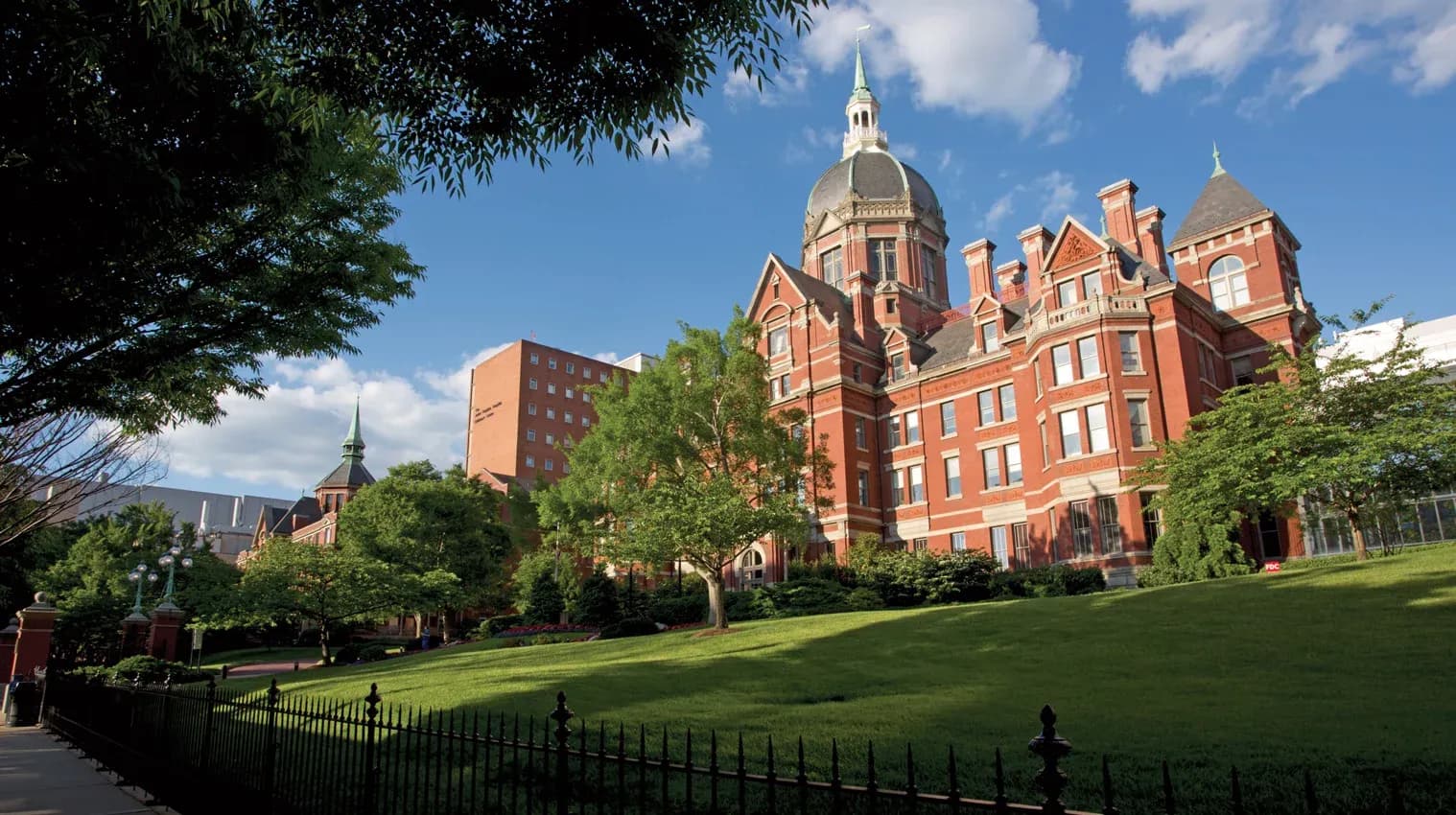

History of Art
The History of Art program offers a rich and comprehensive exploration of visual culture across different periods, geographies, and artistic movements. Students investigate painting, sculpture, architecture, photography, and digital arts while examining the cultural, political, and intellectual forces that shape artistic production. Through close analysis of artworks and engagement with primary sources, learners develop strong interpretive skills and a deeper understanding of how visual expression has influenced societies throughout history. This foundation allows students to engage critically with artistic traditions and recognize the broader cultural narratives embedded within visual materials.
In addition to analytical training, the program emphasizes research-based learning, interdisciplinary study, and active engagement with museum collections and archival resources. Students participate in seminars, workshops, and field experiences that strengthen their ability to evaluate artworks within their historical contexts. Access to faculty mentorship and university-affiliated collections offers learners opportunities to deepen their scholarly interests while expanding their methodological toolkit. By combining historical inquiry with visual analysis, collaborative activities, and cross-disciplinary perspectives, the program prepares students to interpret, communicate, and contextualize visual culture at an advanced academic level.
Key Facts
Key Facts
- Program Title: History of Art
- Degree Type: Bachelor of Arts
- Duration: 4 years
- Mode of Study: Full-time, On Campus
- Application Deadline: 02 January 2026
- Location: Johns Hopkins University, United States
- Field of Study: History
- Language of Instruction: English
Program Structure
Year 1 – Foundations in Art History
- Introduction to Art Historical Methods
- Survey of Ancient to Medieval Art
- Visual Analysis and Interpretation
- Foundations of Global Art Traditions
Year 2 – Intermediate Historical Studies & Thematic Approaches
- Renaissance and Baroque Art
- Methods in Cultural and Material Analysis
- Art in the Modern World
- Elective Topics: Architecture, Photography, or Iconography
Year 3 – Advanced Research & Specialized Fields
- Seminar in Art Historical Research
- Curatorial Studies and Museum Practices
- Art Theory and Historiography
- Electives in Non-Western or Contemporary Art
Year 4 – Capstone, Thesis & Professional Development
- Senior Thesis Research
- Advanced Seminar on Visual Culture
- Critical Writing and Interpretation Workshop
- Portfolio Building and Career Preparation
Career Opportunities
Graduates of this program are equipped to pursue a wide range of intellectually engaging and culturally significant careers within the arts and heritage sectors. Many alumni work in museums, galleries, cultural institutions, and archives, where they contribute to curatorial work, collections management, conservation support, exhibition planning, and educational programming. The program also opens pathways into academic research, art appraisal, publishing, cultural journalism, nonprofit arts administration, and roles within auction houses or historical preservation organizations. Because students develop exceptional analytical skills, strong writing ability, and expertise in contextual interpretation, they are well prepared to engage with visual culture in professional settings that require historical understanding, critical communication, and informed decision-making. These competencies also support success in graduate study, interdisciplinary fields, and emerging cultural sectors where visual literacy and scholarly insight are increasingly valuable.
Why Choose This Program
This program is an excellent choice for students who want to immerse themselves in a rigorous and intellectually dynamic study of art and its historical significance, supported by a university known for academic excellence and interdisciplinary depth. Learners benefit from access to museum partnerships, faculty mentors, and research-oriented coursework that encourages them to question, analyze, and reinterpret visual materials through multiple methodological lenses. The program’s strong emphasis on critical writing, historical inquiry, and hands-on engagement with artworks provides students with practical experience that strengthens both scholarly competence and professional readiness. Additionally, the curriculum fosters a strong sense of academic independence, offering opportunities to explore specialized interests through advanced seminars, fieldwork, and a capstone thesis. This combination of analytical rigor and experiential learning ensures graduates leave with a deep understanding of visual culture and the intellectual tools necessary to contribute meaningfully to the wider arts community.
Contact Information
For further information, please contact the admissions office at:
Phone: +1 410 516 8000
Email: admissions@jhu.edu
Address: Johns Hopkins University, 3400 N. Charles Street, Baltimore, MD 21218, USA
