
Horticultural Food Systems
The Bachelor of Science in Horticultural Food Systems provides an extensive and science driven exploration of how fruits, vegetables, and specialty crops are produced, managed, and distributed within modern agricultural ecosystems. The program integrates plant biology, soil science, crop production, sustainable agriculture, and food supply dynamics, giving students a comprehensive understanding of how horticultural systems function from seed to market. Learners examine how environmental conditions, cultivation technologies, and biological processes shape crop performance while gaining the ability to apply scientific analysis, system based thinking, and applied problem solving to real world horticultural challenges. Through this interdisciplinary structure, students develop strong technical knowledge that supports informed decision making across a wide range of agricultural contexts.
The curriculum also emphasizes sustainability, innovation, and community impact within food systems, encouraging learners to evaluate how production practices influence ecological health, resource use, and long term food security. Students explore topics such as plant nutrition, pest management, postharvest technology, and supply chain logistics, developing a deep understanding of how food moves through interconnected systems. Practical laboratory work, field based learning, and applied research opportunities help students connect scientific principles with hands on agricultural experience, preparing them to engage thoughtfully with industry trends and global challenges in horticultural production. By graduation, learners possess a broad foundation that supports future career growth, adaptability in diverse agricultural settings, and contributions to more resilient and sustainable food systems.
Key Facts
Key Facts
- Program Title: Horticultural Food Systems
- Degree Type: Bachelor of Science
- Duration: 4 years
- Mode of Study: Full-time, On Campus
- Application Deadline: 05 January 2026
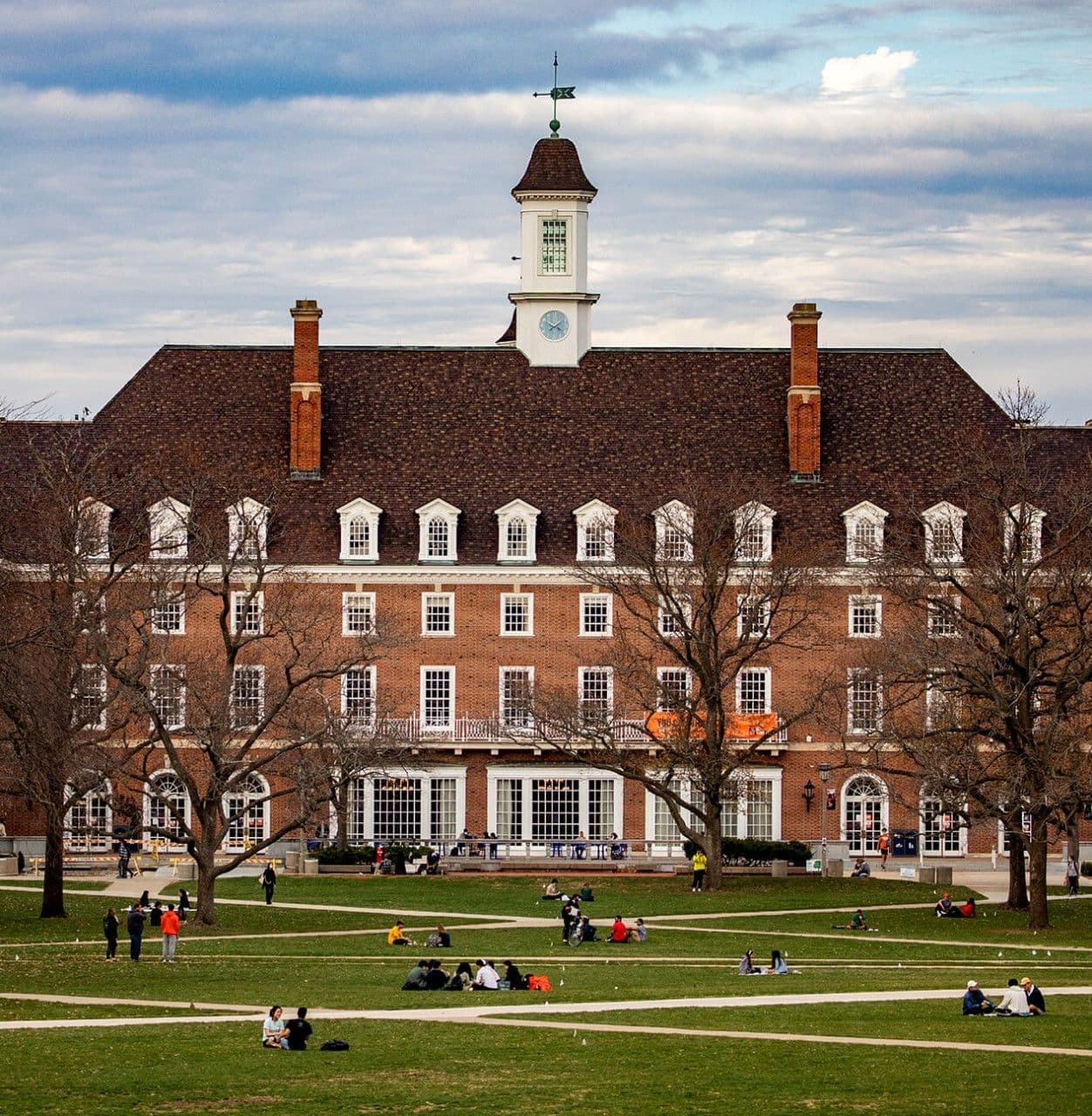
- Location: University of Illinois Urbana-Champaign, United States
- Field of Study: Food Science
- Language of Instruction: English
Program Structure
Year 1 - Foundations of Plant and Soil Sciences
• Introduction to Horticulture
• Principles of Plant Biology
• Soil Science and Fertility
• Basics of Agricultural Systems
Year 2 - Crop Production and Environmental Interactions
• Vegetable Crop Production
• Fruit Crop Production
• Plant Health and Pest Management
• Environmental Factors in Agriculture
Year 3 - Systems Management and Applied Technologies
• Sustainable Crop Systems
• Postharvest Handling and Quality
• Irrigation and Resource Management
• Agricultural Technology and Innovation
Year 4 - Advanced Food Systems and Professional Development
• Global Food Systems
• Horticultural Systems Analysis
• Capstone Research in Horticulture
• Professional Practices in Agriculture
Career Opportunities
Graduates of this program enter a wide range of professions where their scientific understanding of crop systems, ecological processes, and sustainable production methods is essential for supporting modern agriculture and food related industries. Career paths include horticultural specialist, crop production manager, agricultural technician, food systems analyst, sustainability coordinator, field consultant, and postharvest quality supervisor within farms, research institutions, greenhouse operations, food distribution companies, and community agriculture organizations. Many graduates contribute to initiatives that improve crop efficiency, resource conservation, and food availability while others pursue advanced study in plant science, agronomy, environmental management, or food systems policy. The strong interdisciplinary foundation equips learners with the skills needed for long term professional growth and impactful work within evolving agricultural landscapes.
Why Choose This Program
Students choose this degree because it offers a rich combination of scientific rigor, applied agricultural practice, and systems based learning that prepares them to engage meaningfully with global food challenges and sustainable crop production. The curriculum encourages learners to connect plant biology, environmental science, and agricultural technology through an integrated academic approach that strengthens their ability to analyze, innovate, and respond to real world food system demands. Opportunities for fieldwork, laboratory research, and experiential learning deepen students’ practical understanding while allowing them to build professional confidence and specialized expertise. This program is an excellent fit for individuals who want an academically robust pathway that fosters scientific depth, ecological awareness, and a lasting commitment to improving the resilience and sustainability of horticultural food systems.
Contact Information
For further information, please contact the graduate admissions office at:
Phone: 217-333-0035
Email: grad@illinois.edu
Address: The Graduate College, 507 East Green Street, Suite 101, MC-434, Champaign, IL 61820, United States
