Human Communication Sciences
The Human Communication Sciences program provides an interdisciplinary approach to understanding how people develop, process, and use communication across the lifespan. With a foundation in linguistics, psychology, and neuroscience, the curriculum explores speech, language, hearing, and cognitive processes involved in communication. Students investigate normal and disordered communication, preparing for careers or advanced study in fields such as speech-language pathology, audiology, and communication research. Through coursework and laboratory experiences, learners develop a comprehensive understanding of human interaction from both biological and social perspectives.
Students are introduced to evidence-based practices and research methodologies, enabling them to evaluate and apply scientific findings in real-world contexts. The program also emphasizes the importance of cultural and linguistic diversity in communication practices, helping students develop empathy and critical thinking skills. Practical components, such as observing clinical sessions and participating in research projects, deepen their insight into developmental, neurological, and acquired communication disorders. This well-rounded education equips students with the academic and ethical foundations needed to pursue impactful work in healthcare, education, or research.
Key Facts
Key Facts
- Program Title: Human Communication Sciences
- Degree Type: Bachelor of Science
- Duration: 4 years
- Mode of Study: Full-time, On Campus
- Application Deadline: 02 January 2026
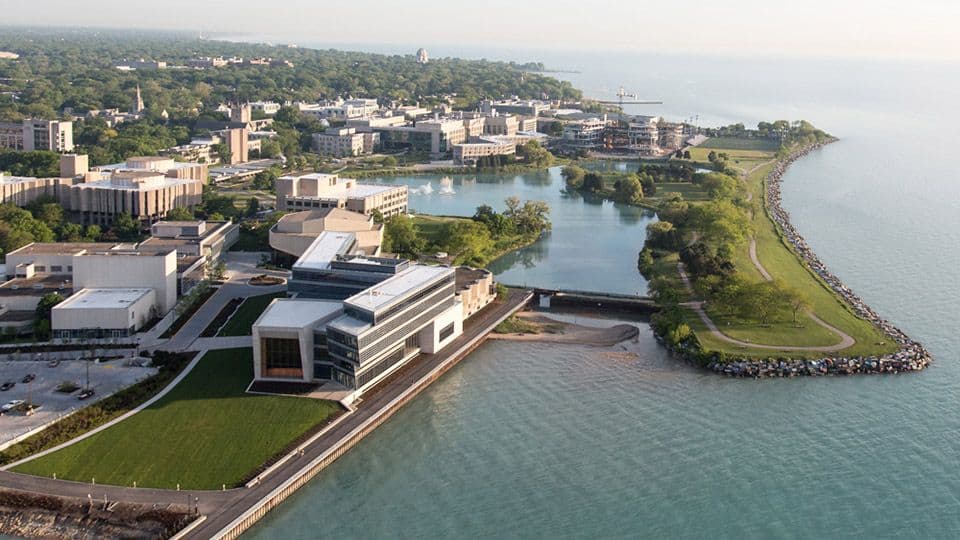
- Location: Northwestern University, United States
- Field of Study: Communication Studies
- Language of Instruction: English
Program Structure
Year 1
• Introduction to Communication Sciences
• Phonetics and Phonology
• Psychology of Language
• Anatomy and Physiology of Speech
• Academic Writing in the Health Sciences
Year 2
• Language Development
• Hearing Science
• Cognitive Neuroscience
• Research Methods in Communication Sciences
• Elective: Sign Language or Language and Culture
Year 3
• Speech and Language Disorders
• Audiology and Hearing Disorders
• Neurological Bases of Communication
• Statistics for Health Research
• Clinical Observation Experience
Year 4
• Advanced Topics in Communication Disorders
• Ethics in Clinical Practice
• Capstone Research Seminar
• Elective: Bilingualism or Augmentative Communication
• Professional Preparation in Communication Sciences
Career Opportunities
Graduates of the Human Communication Sciences program are well prepared for a range of careers that focus on communication health and behavior. Many pursue advanced degrees in speech-language pathology, audiology, cognitive science, or neuroscience. Others enter the workforce directly in roles such as clinical assistants, research coordinators, healthcare advocates, or special education professionals. Employment opportunities exist in hospitals, schools, rehabilitation centers, government agencies, and nonprofit organizations focused on communication access and inclusion. The program’s interdisciplinary foundation and focus on evidence-based practice make graduates highly competitive in fields that demand strong analytical skills and human-centered care.
Why Choose This Program
This program stands out for its integration of science, healthcare, and communication, offering students a meaningful path to explore human connection and understanding. Its interdisciplinary approach fosters a deep appreciation for how communication functions and how it breaks down across diverse populations. With hands-on experience, access to leading research, and mentorship from experts in the field, students build a strong academic and professional profile. Whether pursuing clinical certification or academic research, graduates leave equipped to make a positive impact on individuals and communities through the power of human communication.
Contact Information
For further information, please contact the admissions office at:
Phone: +1 312 555 2040
Email: admissions@northwestern.edu
Address: University of Northwestern, 633 Clark Street, Evanston, IL 60208, United States
