.png&w=640&q=75)
Information Studies and Latin American Studies
The Information Studies and Latin American Studies Master of Arts program at Texas University is a three-year, full-time on-campus interdisciplinary degree that combines the fields of information science and area studies to address the unique informational, cultural, and technological challenges of Latin America. This dual-focus program offers students deep academic and practical grounding in information systems, data management, archival studies, and digital inclusion, while also fostering nuanced understanding of Latin American history, politics, and sociocultural dynamics. Students are prepared to design and implement information strategies that are culturally relevant, ethically sound, and globally informed.
The program’s structure promotes both academic inquiry and applied training. Students engage in digital preservation, research design, and information ethics coursework while also studying Latin American governance, language, and development. They explore how information flows within regional institutions, indigenous communities, and transnational networks, and they develop tools to improve access, transparency, and participation. Through faculty mentorship, cross-department collaboration, and field-based experiences, students cultivate advanced skills to become culturally competent information professionals capable of leading projects across sectors in both the Global South and beyond
Key Facts
Key Facts
- Program Title: Information Studies and Latin American Studies
- Degree Type: Master of Arts
- Duration: 3 years
- Mode of Study: Full-time, On Campus
- Application Deadline: 15 January 2026
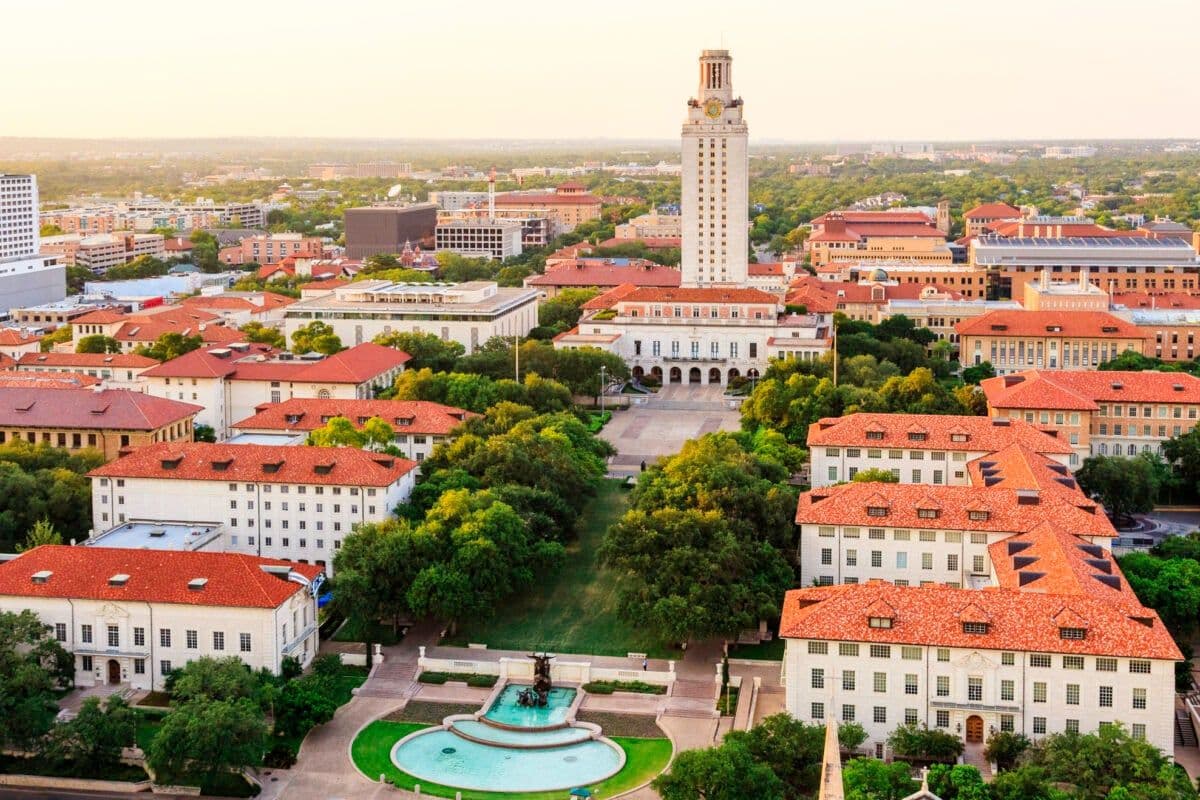
- Location: University of Texas at Austin, United States
- Field of Study: Information Technology (IT)
- Language of Instruction: English
Program Structure
Year 1 – Foundations in Information and Regional Contexts
- Introduction to Information Studies
- Latin American History and Social Movements
- Information Organization and Metadata
- Spanish or Portuguese Language Development
Year 2 – Systems, Policy, and Field Knowledge
- Digital Archives and Cultural Memory
- Latin American Political Economy
- Data Ethics and Information Access
- Research Methods in Area Studies
Year 3 – Integration and Applied Expertise
- Capstone Project or Thesis
- ICT for Development in Latin America
- Information Policy and International Frameworks
- Professional Internship in Latin America–focused Organizations
Career Opportunities
Graduates of this unique dual-degree program pursue careers in libraries, NGOs, government institutions, cultural heritage centers, technology firms, and international development agencies, where regional expertise and information science intersect. Typical job roles include digital archivist, data analyst for Latin America, information policy advisor, knowledge manager, and research librarian for global or bilingual institutions. Alumni contribute to projects involving multilingual database development, digital inclusion initiatives in underserved communities, preservation of indigenous knowledge systems, and regional open-data strategies. Their ability to bridge information infrastructures with local context and linguistic fluency positions them as vital connectors in organizations that aim to operate equitably and effectively across borders and cultures.
Why Choose This Program
This program stands out for its rare and powerful integration of technical training, cultural fluency, and regional expertise, offering students the opportunity to become deeply informed information professionals with a global outlook. Texas University brings together two distinguished faculties—Information Studies and Latin American Studies—within a campus rich in resources, languages, and multicultural research. The three-year structure ensures students gain both depth and practical experience while developing interdisciplinary agility. For those who aim to support social justice through equitable access to information, foster cultural preservation, or work across hemispheres in complex informational environments, this program delivers the knowledge, vision, and tools to drive meaningful transformation.
Contact Information
For further information, please contact the admissions office at:
Phone: +1 (512) 471-3434
Email: gradadmissions@utexas.edu
Address: 110 Inner Campus Drive, Stop G1800, Austin, TX 78712, USA
