.png&w=640&q=75)
Information Studies and Middle Eastern Studies
The Information Studies and Middle Eastern Studies Master of Arts program at Texas University is a three-year, full-time on-campus interdisciplinary degree that merges data systems and information theory with deep regional expertise. Designed for students interested in how information technologies, digital infrastructures, and knowledge systems intersect with the cultural, political, and historical complexities of the Middle East, the program offers a dual-focus academic journey that is both analytical and applied. Students engage with subjects ranging from database design to archival theory, while also exploring the languages, media, and institutions shaping Middle Eastern societies.
Combining critical inquiry with technical training, the program prepares students to manage, analyze, and preserve information within global and cross-cultural frameworks. Courses in information ethics, digital curation, and research design are complemented by area studies seminars, language acquisition, and regional policy analysis. Faculty from both fields provide mentorship across a broad spectrum of topics, including information equity, digital governance, Arabic or Persian media systems, and metadata in multilingual contexts. The curriculum empowers students to build careers that demand both technological fluency and nuanced regional insight.
Key Facts
Key Facts
- Program Title: Information Studies and Middle Eastern Studies
- Degree Type: Master of Arts
- Duration: 3 years
- Mode of Study: Full-time, On Campus
- Application Deadline: 15 January 2026
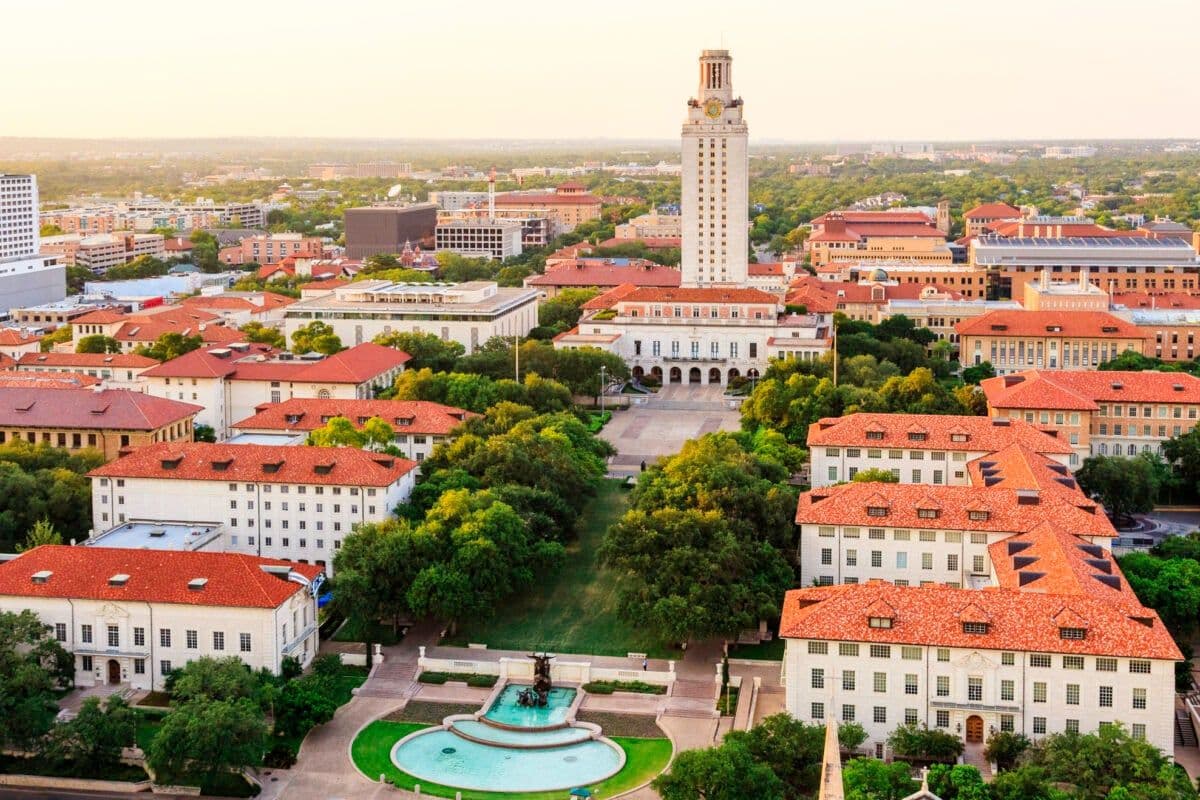
- Location: University of Texas at Austin, United States
- Field of Study: Information Technology (IT)
- Language of Instruction: English
Program Structure
Year 1 – Core Concepts and Regional Foundations
- Introduction to Information Studies
- Information Organization and Metadata
- History and Culture of the Modern Middle East
- Language Study I (Arabic, Turkish, or Persian)
Year 2 – Technical Skills and Cross-Disciplinary Application
- Database Management and Digital Archives
- Information Policy and Ethics
- Middle Eastern Media and Society
- Language Study II and Source Interpretation
Year 3 – Integration, Research, and Professional Development
- Information Systems in Global Contexts
- Capstone Thesis or Digital Research Project
- Seminar in Middle Eastern Politics and Technology
- Portfolio Development and Field-Based Practicum
Career Opportunities
Graduates of this program are equipped for diverse roles in digital libraries, international NGOs, government agencies, academic institutions, and media organizations. They often pursue careers as data curators, information policy advisors, regional analysts, digital archivists, or technology consultants in settings where both information management and cultural understanding are essential. Their dual specialization allows them to work on cross-border data projects, support heritage preservation efforts, or advise on information access and security in multilingual, multicultural environments. The program also lays a strong foundation for doctoral studies in information science, regional studies, or global technology policy. With a rare blend of technical depth and cultural fluency, alumni are highly valuable in shaping ethical, inclusive, and globally informed information ecosystems.
Why Choose This Program
This program offers a distinctive blend of technical expertise, regional specialization, and critical thinking, ideal for students who want to operate at the intersection of technology and global affairs. Texas University’s strong academic infrastructure, faculty mentorship, and language resources provide students with the tools to conduct advanced research and engage meaningfully with real-world challenges. The three-year format allows for deep immersion in both disciplines, culminating in a final project that reflects each student’s unique interests and career goals. For those committed to transforming how information flows across borders, cultures, and systems, this program offers the knowledge, skills, and global perspective to lead with insight and integrity.
Contact Information
For further information, please contact the admissions office at:
Phone: +1 (512) 471-3434
Email: gradadmissions@utexas.edu
Address: 110 Inner Campus Drive, Stop G1800, Austin, TX 78712, USA
