Injury and Violence Prevention
The Injury and Violence Prevention Master of Public Health program at Columbia University is a one-year graduate degree focused on equipping students with the tools to understand, research, and prevent both unintentional and intentional injuries across populations. The program takes a multidisciplinary approach that draws from epidemiology, behavioral science, public policy, and social justice to explore the complex factors that contribute to injuries such as traffic accidents, occupational hazards, domestic violence, and gun-related harm. Students learn how to design data-informed prevention strategies, evaluate community-based interventions, and advocate for evidence-based policy reforms that reduce injury-related morbidity and mortality.
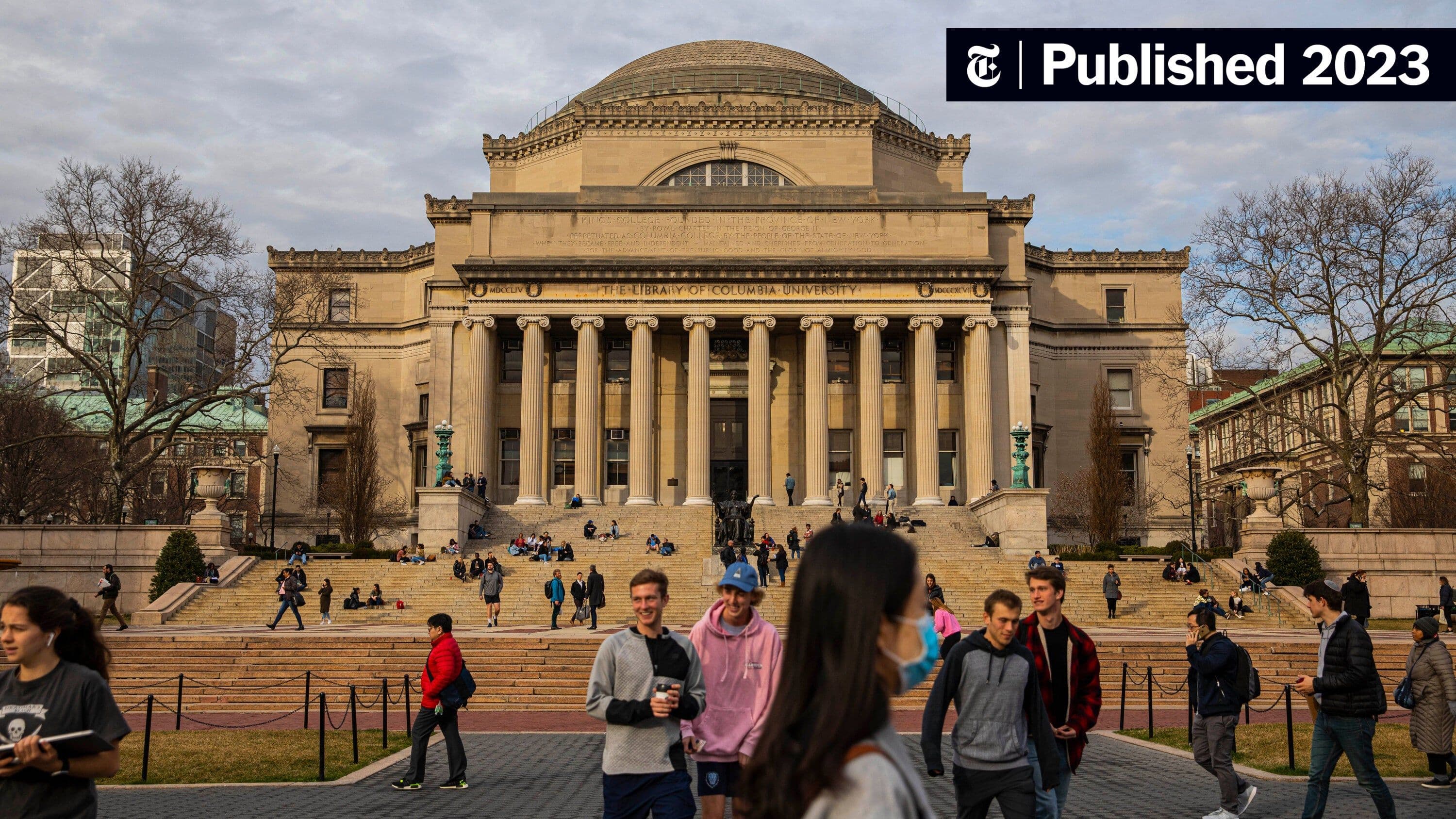
Offered through the Mailman School of Public Health, the program provides a research-intensive learning environment supported by Columbia’s partnerships with city health agencies, hospitals, and public safety institutions. Students participate in applied coursework that covers injury surveillance systems, program evaluation, risk communication, and trauma-informed care. With New York City as a living classroom, students also gain firsthand exposure to the social and structural conditions that influence violence and injury risk across diverse communities. This program prepares graduates to take on leadership roles in injury prevention, program implementation, and public health advocacy across multiple sectors.
Key Facts
Key Facts
- Program Title: Injury and Violence Prevention
- Degree Type: Master of Public Health
- Duration: 1 year
- Mode of Study: Full-time, On Campus
- Application Deadline: 01 July 2026
- Location: Columbia University, United States
- Field of Study: Public Health
- Language of Instruction: English
Program Structure
Semester 1 – Foundations in Injury Epidemiology and Prevention
- Principles of Epidemiology and Public Health
- Social and Behavioral Determinants of Injury
- Injury Surveillance and Data Systems
- Public Health Interventions and Program Design
Semester 2 – Policy, Advocacy, and Applied Research
- Violence Prevention and Community Health Strategies
- Legal and Ethical Issues in Injury Prevention
- Seminar in Trauma, Mental Health, and Recovery
- Capstone Project in Injury and Violence Prevention
Career Opportunities
Graduates of this program are prepared for impactful roles in public health departments, government health agencies, hospital systems, and non-governmental organizations focused on violence prevention and injury control. Common career paths include injury prevention coordinator, violence intervention specialist, public health policy analyst, and community health program manager. Alumni contribute to designing and evaluating interventions in areas such as road safety, domestic abuse, firearm injury prevention, and youth violence. Others take on research or advocacy roles in nonprofits, international health agencies, or academic institutions. With Columbia’s strong reputation and its strategic partnerships, graduates enter the field with both the expertise and connections to lead efforts that promote safety and equity in health outcomes.
Why Choose This Program
This program is ideal for students who want to tackle the root causes of injury and violence through public health research, advocacy, and practical intervention. Columbia University offers a curriculum that blends rigorous science with social relevance, giving students the tools to address both individual risk factors and broader systemic conditions. The program promotes leadership, collaboration, and critical analysis, allowing students to engage directly with policymakers, healthcare providers, and community organizations. Located in one of the most diverse and densely populated urban environments, the university provides real-time exposure to pressing public health challenges. For those committed to creating safer communities and transforming health systems, this degree delivers the knowledge and real-world experience to make lasting change.
Contact Information
For further information, please contact the admissions office at:
Phone: +1 212 854 1754
Email: admissions@columbia.edu
Address: University of Columbia, Admissions Office, New York, NY, United States
