Intellectual Disability, Autism (Adolescence Level)
The Master of Arts in Intellectual Disability and Autism (Adolescence Level) is a 1.5 year full time program designed for students seeking advanced expertise in supporting adolescents with intellectual and developmental disabilities. The curriculum integrates special education theory, applied behavior analysis, developmental psychology, and intervention strategies to provide a comprehensive foundation for understanding and addressing the unique needs of adolescents with autism and related conditions. Through this program, students develop behavioral intervention, developmental assessment, educational planning, and therapeutic strategies skills, preparing them to create effective individualized programs, support learning, and foster social, emotional, and cognitive development in diverse adolescent populations.
This on campus program immerses students in a practical learning environment where lectures, workshops, field experiences, and applied projects provide hands on training in working with adolescents with intellectual disabilities and autism. Students refine curriculum adaptation, therapeutic techniques, family engagement, and progress evaluation skills through supervised practicum, case studies, and collaborative research. Graduates are prepared to work in schools, residential programs, community organizations, and clinical settings, equipping them to design interventions, guide educators, support families, and contribute to the inclusion and development of adolescents with special needs.
Key Facts
Key Facts
- Program Title: Intellectual Disability, Autism (Adolescence Level)
- Degree Type: Master of Arts
- Duration: 1,5 years
- Mode of Study: Full-time, On Campus
- Application Deadline: 01 July 2026
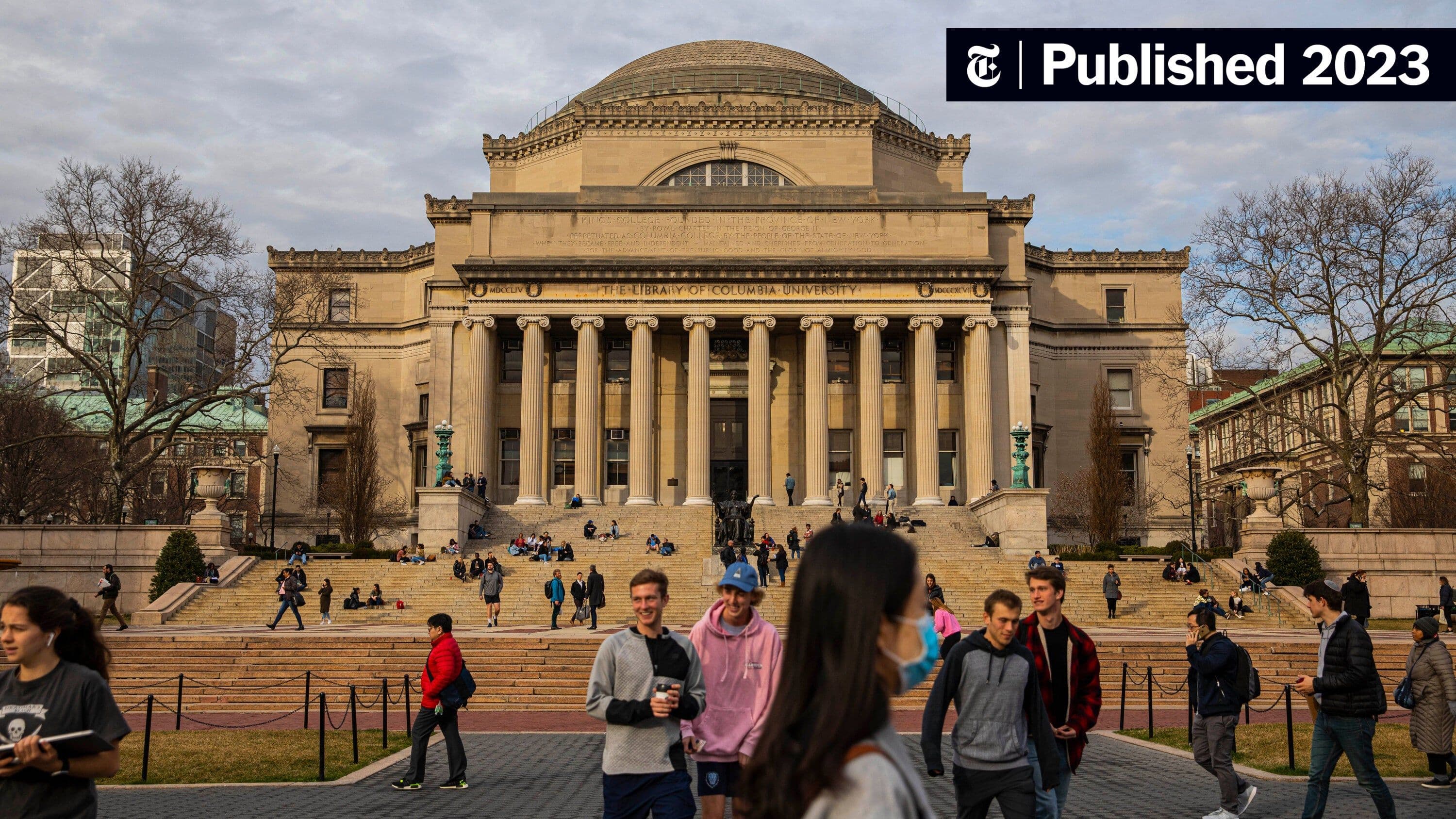
- Location: Columbia University, United States
- Field of Study: Special Education
- Language of Instruction: English
Program Structure
Semester 1 – Foundations in Special Education for Adolescents
• Introduction to Intellectual Disabilities and Autism
• Adolescent Development and Learning Theories
• Behavioral Assessment and Intervention Strategies
• Research Methods in Special Education
Semester 2 – Applied Interventions and Program Design
• Individualized Education Planning for Adolescents
• Classroom and Community Based Interventions
• Seminar in Autism Spectrum Disorders
• Applied Practicum in Special Education
Semester 3 – Advanced Practice and Leadership
• Therapeutic Techniques for Adolescents with Disabilities
• Family and Community Engagement
• Program Evaluation and Progress Monitoring
• Capstone Project in Special Education
Career Opportunities
Graduates of this program are prepared for careers in special education, autism support, adolescent therapy, educational consultancy, and program management. Career paths include special education teacher, behavioral intervention specialist, autism program coordinator, adolescent support consultant, and educational therapist. Graduates are equipped to design and implement individualized education plans, provide behavioral and therapeutic support, evaluate learning outcomes, and collaborate with families and educators. The program also prepares learners for leadership, applied, and advisory roles requiring expertise in adolescent intellectual disability and autism, enabling them to make a meaningful impact on educational and developmental outcomes.
Why Choose This Program
Students choose this program because it combines adolescent special education, behavioral intervention strategies, therapeutic practice, and applied program design within a 1.5 year intensive framework. The curriculum emphasizes hands on experience, practical interventions, and applied research, allowing learners to develop analytical, instructional, and therapeutic skills for supporting adolescents with intellectual disabilities and autism. Graduates gain the knowledge, confidence, and competencies necessary to pursue careers in special education, therapy, program coordination, and community support while contributing meaningfully to the inclusion and development of adolescents with diverse learning needs.
Contact Information
For further information, please contact the admissions office at:
Phone: +1 212 854 1754
Email: admissions@columbia.edu
Address: University of Columbia, Admissions Office, New York, NY, United States
