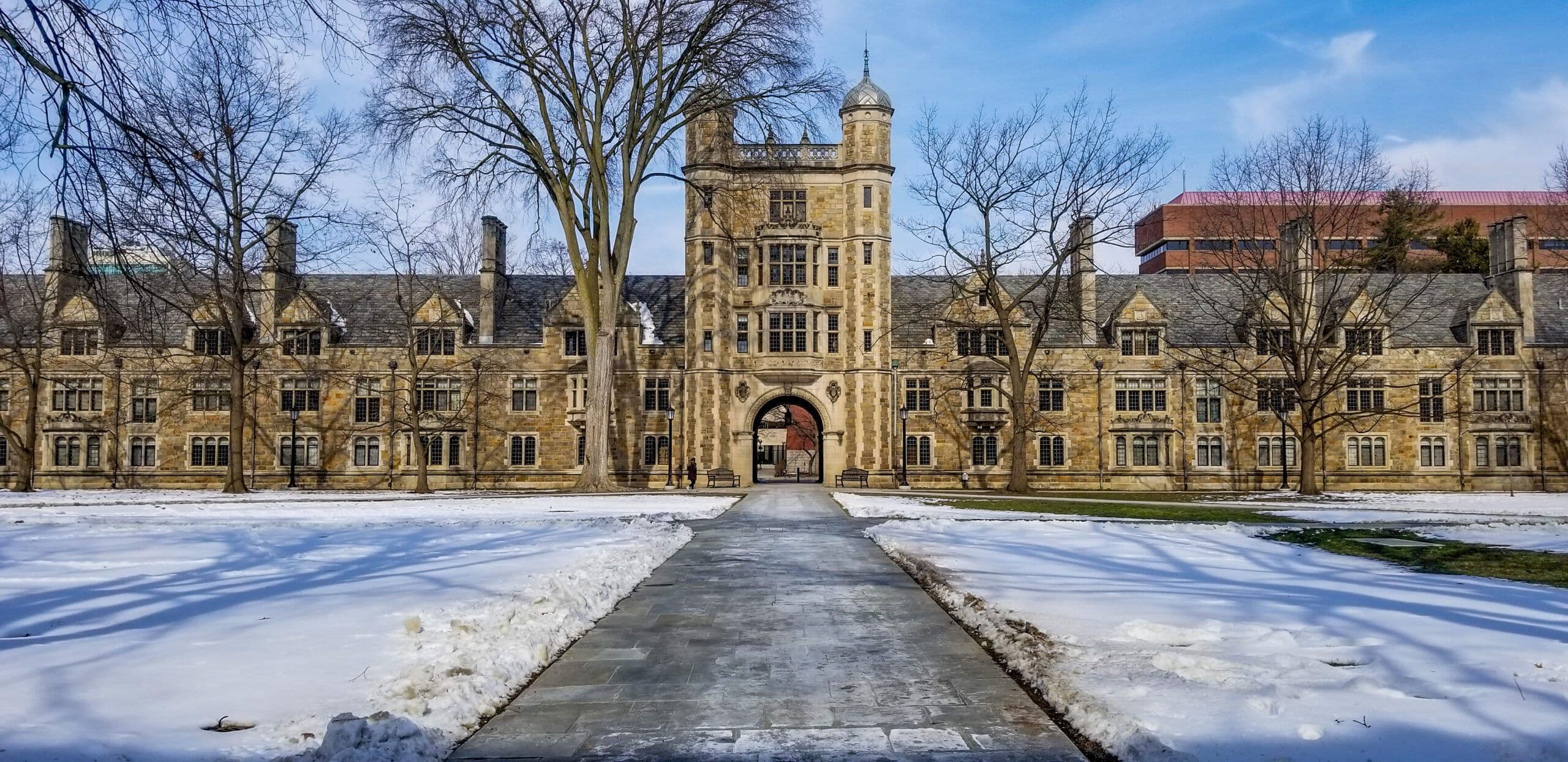

Interdisciplinary Astronomy
The Interdisciplinary Astronomy Bachelor of Arts program at University of Michigan provides a comprehensive curriculum for students interested in exploring the universe through physics, mathematics, and observational techniques. The program integrates astrophysics, planetary science, cosmology, and computational methods, equipping students with strong analytical, problem-solving, and research skills. Learners engage in laboratory work, telescope observations, and research projects, developing the ability to analyze astronomical data, model celestial phenomena, and interpret scientific findings. The program emphasizes scientific analysis, applied research, and interdisciplinary approaches, preparing graduates for careers in astronomy, space sciences, and related research fields.
As a four year full time program, it offers a structured progression that combines foundational knowledge with advanced coursework and hands-on experiences. Students strengthen their expertise in astrophysics modeling, data analysis, and observational techniques, applying theoretical and practical methods to study celestial objects and phenomena. The program equips graduates to conduct research, contribute to scientific discoveries, and pursue advanced academic study or professional roles in space exploration, research institutions, or science communication.
Key Facts
Key Facts
- Program Title: Interdisciplinary Astronomy
- Degree Type: Bachelor of Arts
- Duration: 4 years
- Mode of Study: Full-time, On Campus
- Application Deadline: 01 February 2026
- Location: University of Michigan, United States
- Field of Study: Astronomy & Space Sciences
- Language of Instruction: English
Program Structure
Year 1 - Foundations in Astronomy
• Introduction to Astronomy
• General Physics for Astronomers
• Calculus and Mathematical Methods
• Laboratory Techniques in Astronomy
Year 2 - Intermediate Astrophysics and Observations
• Stellar Astrophysics
• Planetary Science
• Computational Methods in Astronomy
• Observational Astronomy Techniques
Year 3 - Advanced Topics in Astronomy
• Cosmology and Galactic Dynamics
• Exoplanets and Astrobiology
• Data Analysis in Astrophysics
• Research Seminar in Astronomy
Year 4 - Capstone and Applied Research
• Independent Research Project
• Advanced Observational Studies
• Scientific Communication and Presentation
• Senior Seminar in Astronomy
Career Opportunities
Graduates of this program pursue careers in astronomy, astrophysics, space research, education, and scientific communication where analytical and research skills are essential. Many work as research assistants, astronomers, data analysts in space sciences, planetary scientists, or science educators, applying their expertise to study celestial phenomena, conduct experiments, and communicate scientific findings. Others continue in graduate programs, observatories, or space agencies, contributing to research, data analysis, and public outreach. The program’s emphasis on research, observational experience, and analytical methods ensures graduates are prepared to make significant contributions to scientific discovery and education in astronomy.
Why Choose This Program
Students choose this program for its combination of interdisciplinary study, applied research, and observational training, which equips them to explore complex astronomical phenomena. The curriculum emphasizes astrophysics, planetary science, and computational analysis, preparing learners to conduct research, interpret data, and engage in scientific communication. Students benefit from faculty mentorship, telescope-based projects, and independent research experiences that enhance both technical skills and analytical thinking. By focusing on interdisciplinary astronomy and applied science, the program ensures graduates are prepared for careers in research, education, and scientific exploration of the cosmos.
Contact Information
For further information, please contact the admissions office at:
Phone: 734-764-8129
Email: rackadmis@umich.edu
Address: Graduate Admissions Office, University of Michigan, Ann Arbor, MI 48109, USA
