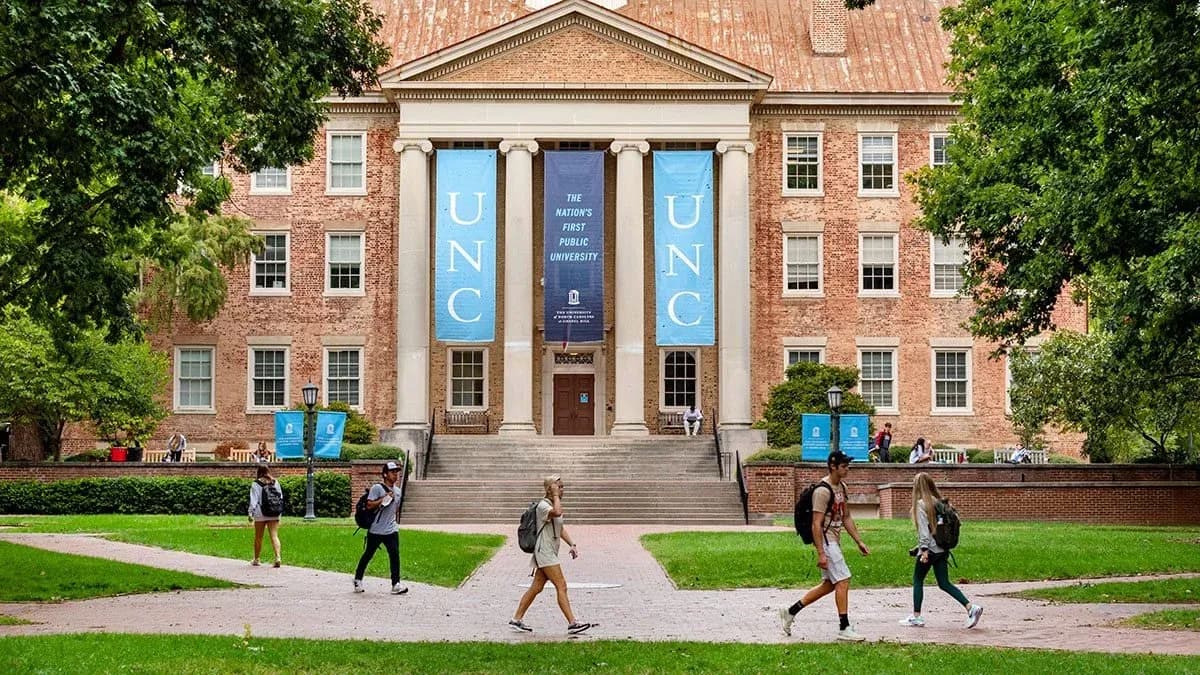

Interdisciplinary Studies, Gerontology
The Interdisciplinary Studies, Gerontology Bachelor of Arts program at the University of North Carolina provides students with a unique opportunity to examine the aging process from multiple perspectives, including biology, psychology, sociology, public policy, and healthcare. This integrative program explores how aging affects individuals and society, emphasizing both the challenges and contributions of older populations in local and global contexts. Through a liberal arts lens, students learn how to understand aging as a complex, lifelong process shaped by cultural, social, medical, and economic factors.
The curriculum emphasizes a blend of theoretical knowledge and real-world application, preparing students to think critically and empathetically about age-related issues. Students explore topics such as cognitive aging, elder care systems, family dynamics, and age-friendly community design while also engaging in service learning, internships, or research. With support from faculty across multiple disciplines, learners gain a well-rounded perspective on aging and are encouraged to develop solutions that enhance the well-being, dignity, and inclusion of older adults. This program is ideal for those passionate about creating positive change for an aging society through knowledge, advocacy, and professional engagement.
Key Facts
Key Facts
- Program Title: Interdisciplinary Studies, Gerontology
- Degree Type: Bachelor of Arts
- Duration: 4 years
- Mode of Study: Full-time, On Campus
- Application Deadline: 01 February 2026
- Location: University of North Carolina at Chapel Hill, United States
- Field of Study: Liberal Arts
- Language of Instruction: English
Program Structure
Year 1 – Foundations of Aging and Society
• Introduction to Interdisciplinary Studies
• Lifespan Human Development
• Introduction to Gerontology
• Writing and Communication in the Social Sciences
• Foundations of Sociology or Psychology
Year 2 – Aging in Context
• Biology of Aging or Health and Aging
• Cultural Perspectives on Aging
• Research Methods in Social Sciences
• Public Health and Aging Populations
• Elective in Family, Diversity, or Ethics
Year 3 – Policy, Practice, and Analysis
• Gerontology and Public Policy
• Aging and the Built Environment
• Mental Health and Aging
• Elective in Long-Term Care or Death and Dying
• Community-Based Learning or Internship
Year 4 – Integration and Leadership in Gerontology
• Advanced Seminar in Aging Studies
• Capstone Research or Service Project
• Interdisciplinary Applications in Gerontology
• Elective in Aging and Technology or Advocacy
• Leadership and Program Planning in Aging Services
Career Opportunities
Graduates of the Interdisciplinary Studies in Gerontology B.A. program are prepared for meaningful careers that address the growing needs of aging populations in both public and private sectors. They often pursue roles in healthcare administration, nonprofit program coordination, social services, and senior living management, contributing to policies and programs that support older adults’ health, independence, and quality of life. Alumni work in senior centers, community organizations, rehabilitation facilities, and policy think tanks, applying their interdisciplinary knowledge to real-world problems related to caregiving, housing, mental health, and social equity. Some become care managers, aging advocates, or outreach specialists helping families and individuals navigate complex eldercare systems. Others use this degree as preparation for graduate study in social work, occupational therapy, public health, or gerontology. With the global population aging rapidly, there is a rising demand for professionals who understand the multifaceted realities of aging and can develop innovative, person-centered approaches. This degree provides graduates with the social awareness, research ability, and practical experience needed to shape inclusive, respectful, and age-responsive communities and institutions.
Why Choose This Program
This program is an excellent choice for students who are passionate about making a difference in the lives of older adults and understanding the broader social impact of aging. By combining insights from multiple disciplines, applied learning, and critical inquiry, students gain a rich foundation that equips them to respond thoughtfully and ethically to the challenges of a rapidly aging world. The University of North Carolina offers a supportive and intellectually engaging environment, where students benefit from faculty mentorship, interdisciplinary electives, and real-world practice through internships and community partnerships. Whether your goal is to enter the workforce or pursue graduate study, this program helps you develop the compassion, adaptability, and analytical skill needed to succeed in human-centered professions. It’s an ideal path for students who value connection, purpose, and the opportunity to influence policy and care systems through gerontological insight, social responsibility, and inclusive leadership.
Contact Information
Phone: +1 (919) 966-3621
Email: unchelp@admissions.unc.edu
Address: Jackson Hall, 174 Country Club Road, Chapel Hill, NC 27514, USA
