Interdisciplinary Studies in Education
The Master program in Interdisciplinary Studies in Education offers a comprehensive academic framework designed for students who aim to explore the connections between learning theories, educational research and contemporary classroom practices. The curriculum emphasizes critical inquiry, reflective thinking, instructional design and the integration of multiple academic perspectives into educational problem solving. Through this approach, students gain a deep understanding of how social, cultural and cognitive factors shape modern learning environments while developing methodological tools that support effective educational decision making. The program also provides access to research based resources that enhance students analytical abilities and pedagogical awareness.
Learners benefit from an environment that supports collaboration, intellectual exploration and the application of educational theories to real world contexts. Faculty guidance, research opportunities and structured coursework help students evolve into professionals capable of navigating complex challenges across diverse educational settings. The program encourages the development of research literacy, evaluation skills, curriculum planning and reflective practice, enabling graduates to approach the field with both academic depth and professional confidence. With its strong interdisciplinary orientation, the degree equips students with the capacity to implement innovative strategies, assess learning outcomes and engage in transformative educational work.
Key Facts
Key Facts
- Program Title: Interdisciplinary Studies in Education
- Degree Type: S. Master
- Duration: 1 year
- Mode of Study: Full-time, On Campus
- Application Deadline: 01 July 2026
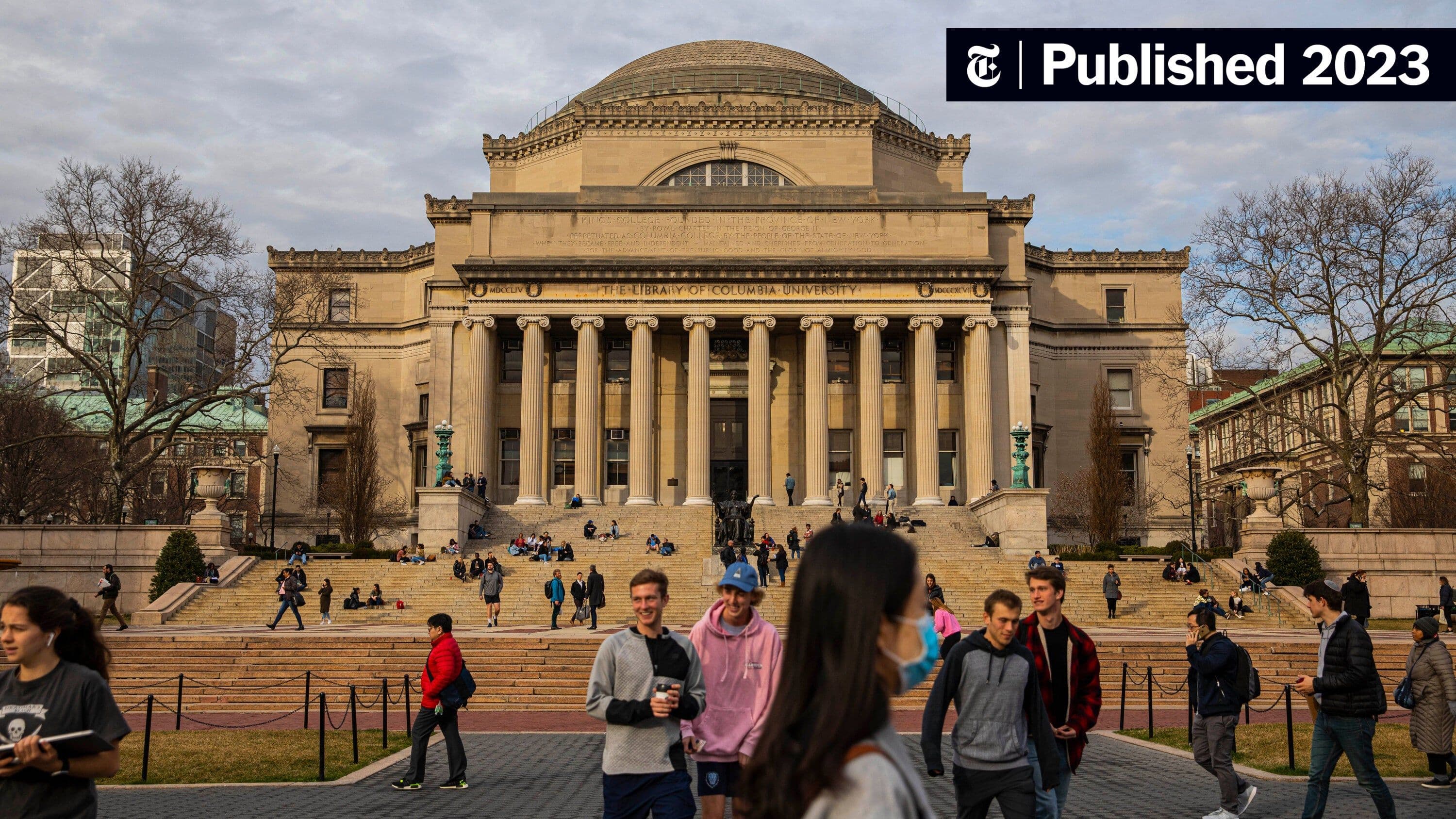
- Location: Columbia University, United States
- Field of Study: Education
- Language of Instruction: English
Program Structure
Semester 1 Foundations in Educational Studies
• Introduction to Interdisciplinary Education
• Foundations of Learning Theory
• Research Methods in Education
• Comparative Perspectives on School Systems
Semester 2 Applied Research and Professional Practice
• Curriculum Design and Instructional Analysis
• Qualitative and Quantitative Research Applications
• Educational Policy and Social Contexts
• Seminar in Applied Educational Research
Career Opportunities
Graduates of this program are prepared to pursue roles in educational consulting, curriculum development, research organizations, and school leadership, where interdisciplinary knowledge is essential for addressing complex educational needs. The program’s emphasis on analytical thinking, research based evaluation and applied problem solving supports professional growth in settings such as public schools, private educational institutions, nonprofit learning initiatives and community based programs. Individuals who complete this degree often contribute to instructional improvement, policy analysis, program coordination or educational innovation, and they may also continue into doctoral studies to deepen their academic specialization. With a strong foundation in theory and practice, graduates are positioned to influence educational environments through informed decision making and reflective leadership.
Why Choose This Program
Students choose this program for its balanced integration of interdisciplinary academic depth and practical educational application, allowing them to engage with a broad range of theoretical and methodological perspectives. The structure supports meaningful exploration of learning processes while providing opportunities to apply research directly to educational challenges. The academic environment encourages collaboration, inquiry and professional readiness, giving learners the ability to develop both specialized skills and a holistic understanding of the field. For individuals seeking a graduate experience that enhances critical thinking, strengthens research capability and prepares them to contribute to future focused educational improvements, this program provides a strong and versatile path.
Contact Information
For further information, please contact the admissions office at:
Phone: +1 212 854 1754
Email: admissions@columbia.edu
Address: University of Columbia, Admissions Office, New York, NY, United States
