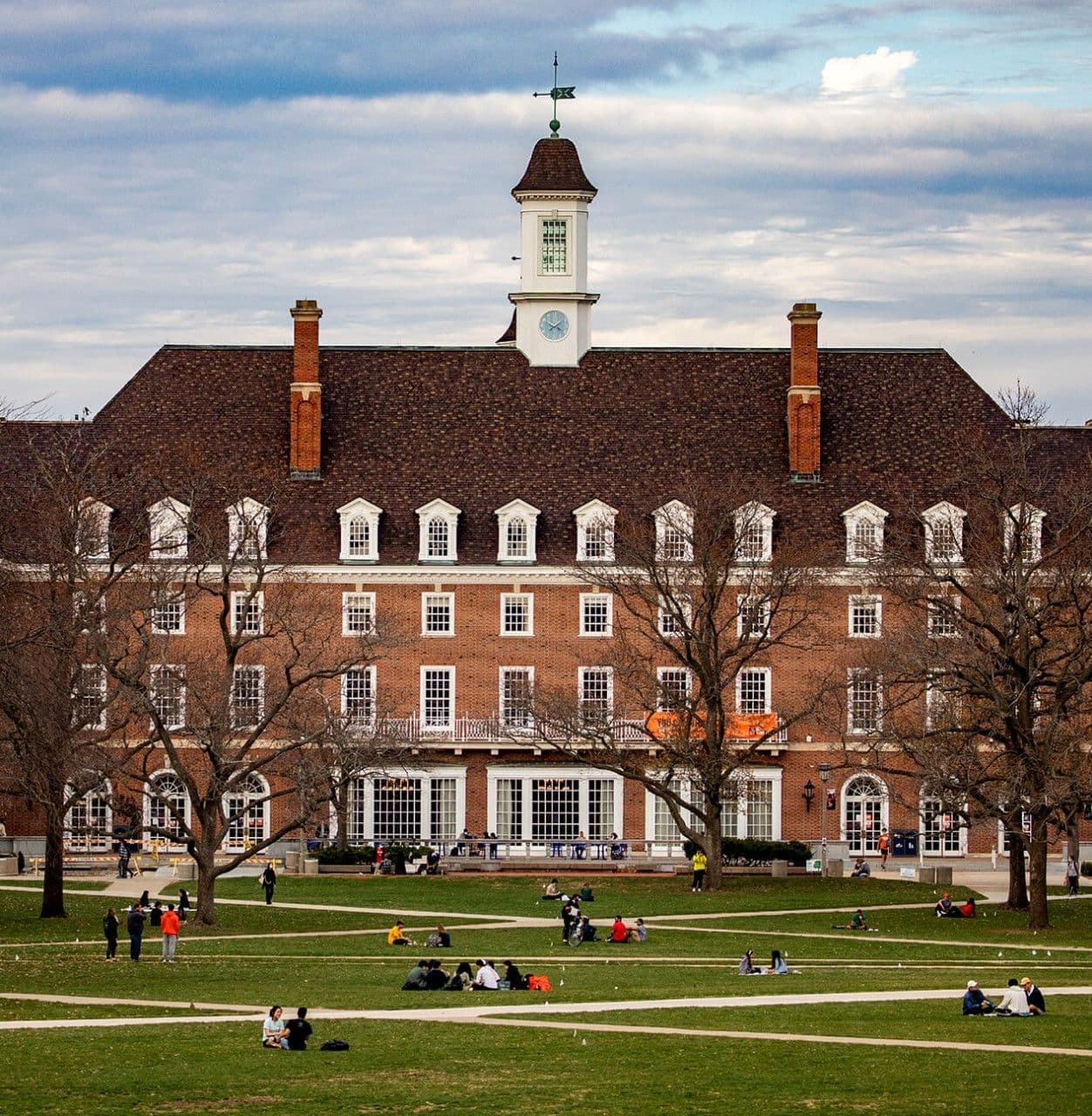

Interdisciplinary Studies - Medieval Studies
The Medieval Studies program offers a broad interdisciplinary pathway for students who want to explore the cultural, political, intellectual, and artistic foundations of the medieval world while building strong analytical and research oriented skills. This program brings together history, literature, philosophy, religion, languages, and material culture, allowing students to develop a deep understanding of how medieval societies shaped later global developments. Throughout the curriculum, learners examine primary sources, interpret historical contexts, and investigate the intellectual traditions that guided medieval thought. The structure encourages critical reasoning and strong writing abilities, supporting students as they connect medieval perspectives with contemporary questions in culture, identity, and social change.
Students also gain valuable experience through coursework that emphasizes cross disciplinary analysis, comparative historical approaches, and methodological inquiry. The academic environment fosters a nuanced understanding of medieval civilizations across Europe, the Middle East, and other regions, highlighting interactions among communities, belief systems, and political structures. The program encourages students to work closely with faculty mentors, engage in original research, and explore medieval language studies to strengthen their engagement with primary texts. By combining scholarly traditions with interpretive skills, students finish the program with an expanded capacity for historical insight, academic rigor, and cultural interpretation that prepare them for both advanced study and professional pathways grounded in strong humanities training.
Key Facts
Key Facts
- Program Title: Interdisciplinary Studies - Medieval Studies
- Degree Type: Bachelor of Arts
- Duration: 4 years
- Mode of Study: Full-time, On Campus
- Application Deadline: 05 January 2026
- Location: University of Illinois Urbana-Champaign, United States
- Field of Study: Liberal Arts
- Language of Instruction: English
Program Structure
Year 1 - Foundations of Medieval Inquiry
• Introduction to Medieval Studies
• Early European History
• Foundations of Literary Interpretation
• Medieval Civilizations and Cultures
Year 2 - Texts, Traditions, and Historical Context
• Medieval Literature
• History of Medieval Thought
• Religion and Society in the Middle Ages
• Research Methods in the Humanities
Year 3 - Cross Cultural Perspectives and Advanced Analysis
• Comparative Medieval Societies
• Medieval Philosophy
• Art and Material Culture of the Middle Ages
• Languages for Medieval Scholarship
Year 4 - Specialization and Capstone Research
• Advanced Topics in Medieval Studies
• Independent Research Seminar
• Medieval Scholarship Colloquium
• Senior Capstone Project
Career Opportunities
Graduates of this program gain strong interpretive, research, and writing abilities that prepare them for careers across education, cultural preservation, public history, publishing, research support, museums, archives, nonprofit organizations, and roles requiring deep contextual understanding. Students can work in museums, archives, libraries, or historical organizations where the ability to analyze texts and cultural artifacts is essential. The program also supports pathways in communications, policy research, academic administration, and various cultural sectors that value nuanced thinking and historical context. Many graduates pursue advanced study in medieval studies, history, literature, religious studies, or related humanities disciplines, where their training in research practices, critical evaluation, and interdisciplinary thinking strengthens their long term academic and professional development.
Why Choose This Program
Students choose this degree because it offers an enriched interdisciplinary structure that integrates historical interpretation skills with literary, philosophical, and cultural analysis, creating a strong foundation for both academic and professional growth. The curriculum invites learners to explore complex medieval traditions while cultivating analytical depth and methodological confidence. With its focus on original research, textual study, and thematic exploration across multiple fields, the program provides a comprehensive environment for students who want to build advanced reasoning abilities and pursue intellectually grounded careers. This academic path is ideal for individuals who value the humanities, seek rigorous scholarly engagement, and want an education that supports long term intellectual development through a broad yet cohesive exploration of the medieval world.
Contact Information
For further information, please contact the graduate admissions office at:
Phone: 217-333-0035
Email: grad@illinois.edu
Address: The Graduate College, 507 East Green Street, Suite 101, MC-434, Champaign, IL 61820, United States
