International Conflict Resolution
The Specialized Master in International Conflict Resolution is designed for students seeking to develop advanced knowledge and practical skills in diplomacy, negotiation, and conflict management in global contexts. The curriculum emphasizes theoretical frameworks, case studies, and applied strategies for preventing and resolving conflicts across political, cultural, and social boundaries. Through this program, students develop diplomatic negotiation, conflict analysis, mediation techniques, and policy advisory skills, preparing them to address complex international disputes, promote peacebuilding initiatives, and support sustainable conflict resolution in diverse geopolitical environments.
This one year, full time and on campus program provides an immersive learning experience where students engage with faculty experts, practitioners, and international organizations. Coursework, simulations, and applied projects allow learners to refine multilateral negotiation, risk assessment, strategic mediation, and policy development skills. Graduates gain the ability to analyze global conflicts, design intervention strategies, and implement evidence based approaches for resolution. The program equips students to operate in governmental agencies, international institutions, NGOs, and research centers, contributing to peacebuilding, diplomacy, and global governance efforts.
Key Facts
Key Facts
- Program Title: International Conflict Resolution
- Degree Type: S. Master
- Duration: 1 year
- Mode of Study: Full-time, On Campus
- Application Deadline: 15 January 2026
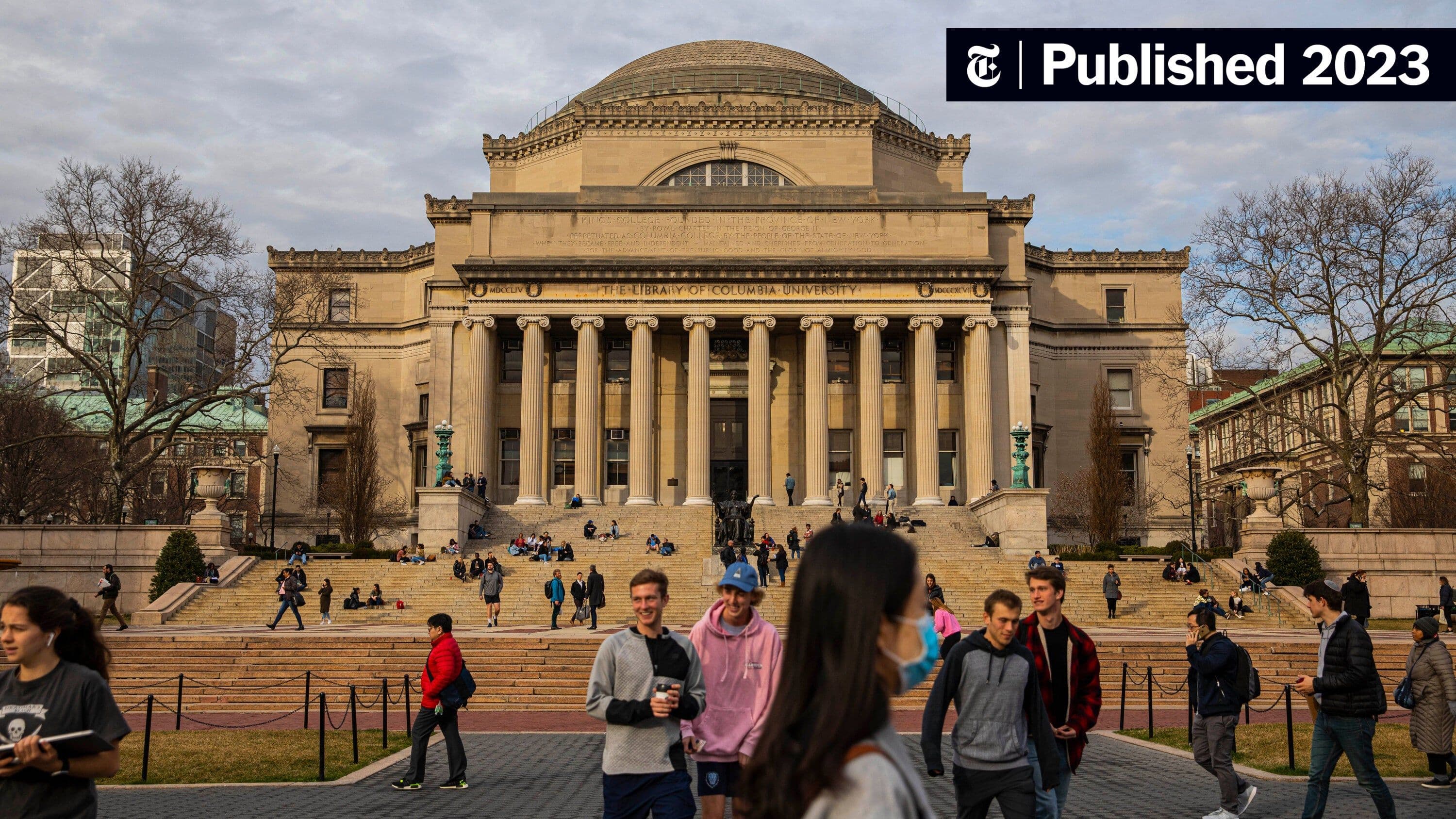
- Location: Columbia University, United States
- Field of Study: International Relations
- Language of Instruction: English
Program Structure
Semester 1 – Foundations of International Conflict Resolution
• Introduction to Conflict Theory and Practice
• International Relations and Global Politics
• Research Methods in Conflict Studies
• Mediation and Negotiation Fundamentals
Semester 2 – Applied Conflict Resolution and Peacebuilding
• Advanced Negotiation and Diplomatic Strategies
• Conflict Analysis and Risk Assessment
• Peacebuilding Policy and Program Development
• Capstone Project in International Conflict Resolution
Career Opportunities
Graduates of this program are prepared for careers in international organizations, governmental agencies, non governmental organizations, and research institutions focused on diplomacy, peacebuilding, and conflict management. Career paths include conflict resolution specialist, diplomatic advisor, peacebuilding consultant, international policy analyst, and mediation expert. Graduates are equipped to analyze complex conflicts, design and implement resolution strategies, provide advisory services to governments and organizations, and contribute to sustainable peace initiatives. The program also prepares students for leadership, policy, and research roles that promote international cooperation and conflict prevention.
Why Choose This Program
Students choose this program because it combines advanced conflict resolution theory, applied negotiation skills, policy development expertise, and international diplomacy training within a one year intensive structure. The curriculum emphasizes hands on experience through simulations, applied projects, and engagement with experts, allowing learners to develop practical skills for managing conflicts, advising decision makers, and promoting peace initiatives globally. Graduates gain the knowledge, confidence, and professional competencies necessary to address international disputes, implement evidence based strategies, and contribute meaningfully to global stability and cooperation.
Contact Information
For further information, please contact the admissions office at:
Phone: +1 212 854 1754
Email: admissions@columbia.edu
Address: University of Columbia, Admissions Office, New York, NY, United States
