
International Policy Studies - Energy, Natural Resources, and the Environment
The Master of Arts in Environmental Economics & Policy within the field of International Policy Studies focuses on equipping students with the knowledge and skills to analyze, develop, and implement effective policies related to energy, natural resources, and environmental sustainability. The program blends economic theory, environmental science, and policy analysis, allowing students to understand the complex interactions between markets, governance, and ecological systems. Students gain expertise in designing evidence-based policies that balance economic development with environmental stewardship, preparing them to tackle pressing global challenges.
Throughout the program, students engage in applied research, case studies, and collaborative projects that address real-world policy issues. The curriculum emphasizes quantitative and qualitative analysis, regulatory frameworks, and international governance, enabling students to translate complex data into actionable policy recommendations. By the end of the program, graduates possess the analytical, strategic, and communication skills necessary to influence environmental policy and contribute meaningfully to sustainable development initiatives.
Key Facts
Key Facts
- Program Title: International Policy Studies - Energy, Natural Resources, and the Environment
- Degree Type: Master of Arts
- Duration: 2 years
- Mode of Study: Full-time, On Campus
- Application Deadline: 09 January 2026
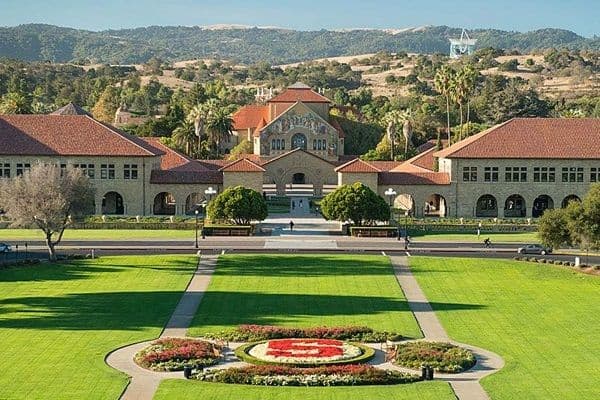
- Location: Stanford University, United States
- Field of Study: Environmental Economics & Policy
- Language of Instruction: English
Program Structure
Semester 1 – Foundations in Environmental Policy & Economics
- Introduction to Environmental Economics
- Fundamentals of Energy Policy
- Quantitative Methods for Policy Analysis
- International Environmental Governance
Semester 2 – Advanced Policy Analysis & Energy Systems
- Natural Resource Management and Sustainability
- Energy Markets and Environmental Regulation
- Policy Evaluation and Impact Assessment
- Research Methods in Environmental Policy
Semester 3 – Applied Research & Specialization
- Climate Change Policy and Mitigation Strategies
- Renewable Energy and Sustainability Planning
- Policy Project / Internship
- Elective Modules in Economics, Energy, or Environmental Law
Semester 4 – Master’s Thesis & Capstone Project
- Independent Research / Thesis
- Advanced Policy Modeling and Analysis
- Presentation of Findings & Professional Portfolio
- Capstone Project in Environmental Economics & Policy
Career Opportunities
Graduates of this program are well-prepared for careers in government agencies, international organizations, environmental consultancies, energy companies, and research institutions. Potential roles include policy analyst, environmental economist, energy consultant, sustainability strategist, and regulatory advisor. The program develops strong analytical, communication, and problem-solving skills, enabling graduates to assess environmental challenges, design evidence-based policies, and provide strategic recommendations. By combining economic expertise with policy analysis, graduates are equipped to drive initiatives that promote sustainable development, responsible resource management, and effective environmental governance at local, national, and global levels.
Why Choose This Program
This program provides a comprehensive, interdisciplinary approach to environmental economics and policy, integrating economic analysis, regulatory knowledge, and sustainability practices. Students gain hands-on experience through applied projects, research initiatives, and internships, allowing them to translate theory into practical solutions for energy and environmental challenges. The curriculum emphasizes critical thinking, policy modeling, and stakeholder engagement, ensuring that graduates are prepared to influence decisions in both public and private sectors. By choosing this program, students acquire the skills, knowledge, and professional network needed to become leaders in shaping sustainable energy and resource policies worldwide.
Contact Information
For further information, please contact the admissions office at:
Phone: +1 650 000 0000
Email: admissions@standord.edu
Address: University of Standord, 450 Serra Mall, Stanford, CA 94305, United States
