Islamic Studies and Muslim Cultures
The Master of Arts in Islamic Studies and Muslim Cultures offers an academically rich and multidimensional exploration of Islamic intellectual traditions, historical developments and contemporary cultural expressions. The program provides students with a strong foundation in textual analysis, historiography and cross cultural interpretation, helping them understand how Islamic thought has shaped societies across different regions and time periods. Through interdisciplinary coursework, learners examine religious practices, social structures and intellectual debates while developing critical awareness essential for analyzing complex historical and modern contexts. This approach allows students to engage deeply with diverse Muslim communities and the traditions that inform their cultural identities.
Students also benefit from an environment that encourages scholarly inquiry, evidence based interpretation and engagement with primary sources. Faculty mentorship, research oriented courses and opportunities for academic immersion support the development of advanced analytical abilities and contextual understanding. The program emphasizes research competency while guiding learners to connect theoretical perspectives with emerging discussions surrounding religion, culture and global interactions. By combining rigorous academic training with a focus on contemporary issues, the program prepares graduates to navigate debates surrounding identity, governance, ethics and social change within Muslim societies and their global relationships.
Key Facts
Key Facts
- Program Title: Islamic Studies and Muslim Cultures
- Degree Type: Master of Arts
- Duration: 2 years
- Mode of Study: Full-time, On Campus
- Application Deadline: 08 February 2026
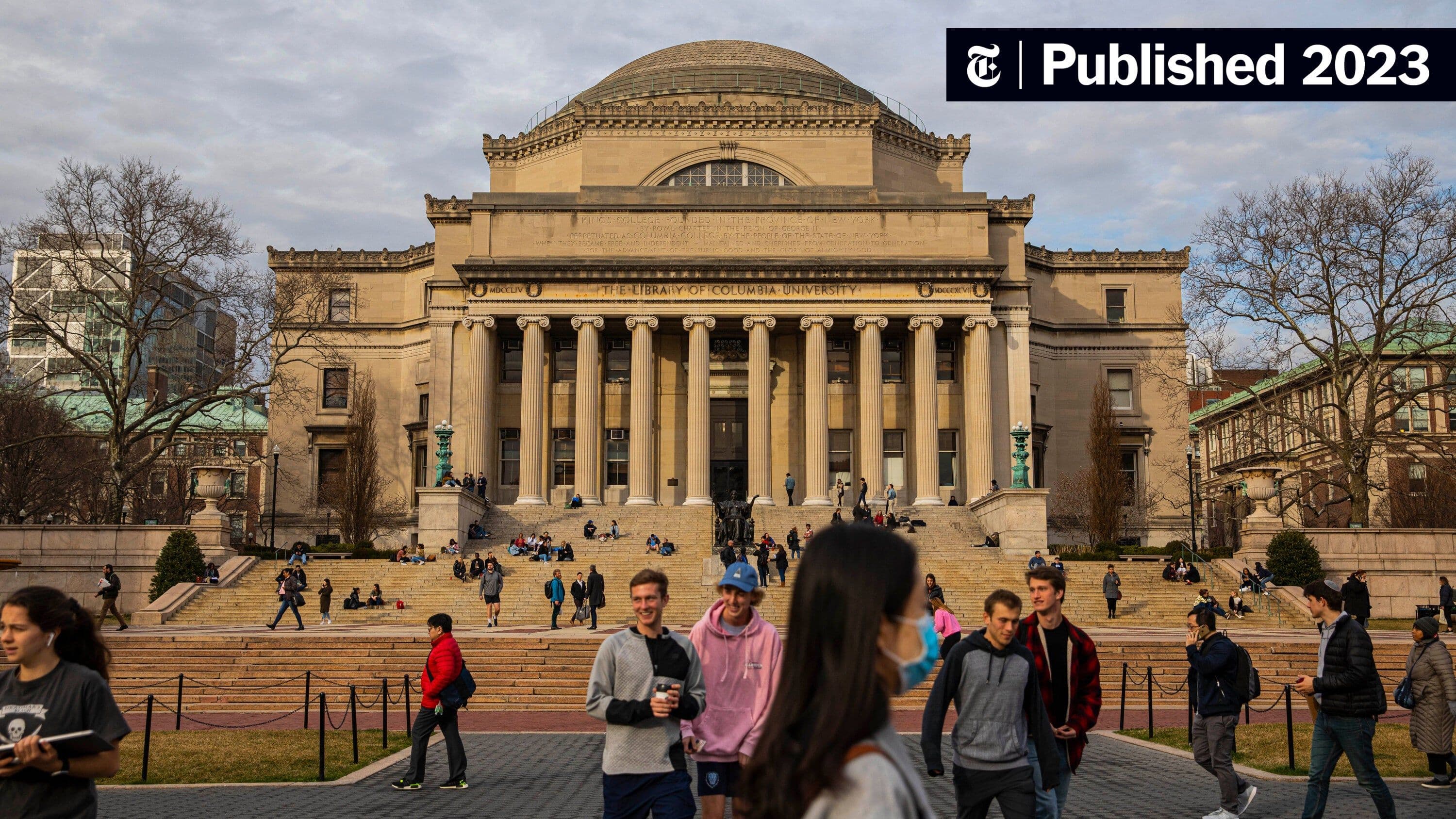
- Location: Columbia University, United States
- Field of Study: Islamic Studies
- Language of Instruction: English
Program Structure
Semester 1 Foundations in Islamic Thought and History
• Introduction to Islamic Intellectual Traditions
• History of Early Muslim Societies
• Methods in Religious and Cultural Studies
• Classical Texts and Interpretive Approaches
Semester 2 Cultural Dynamics and Social Contexts
• Muslim Societies in Comparative Perspective
• Ethics, Law and Social Institutions
• Modern Islamic Movements
• Seminar in Cultural Analysis
Semester 3 Regional Perspectives and Applied Scholarship
• Islamic Civilizations Across Continents
• Contemporary Debates in Muslim Communities
• Research Practices and Academic Writing
• Elective in Religion, History or Culture
Semester 4 Thesis and Advanced Research
• Thesis Research and Writing
• Advanced Studies in Islamic Thought
• Fieldwork or Archival Analysis
• Graduate Colloquium and Academic Presentation
Career Opportunities
Graduates of this program pursue roles in cultural institutions, research centers, diplomatic services and nonprofit organizations, where expertise in religion, culture and global affairs is essential. The strong analytical and interpretive training equips students to work in positions involving policy analysis, academic research, intercultural communication or educational program development. Many contribute to community engagement initiatives, heritage preservation projects or advisory roles related to Muslim societies and intercultural dynamics. Alumni may also continue into doctoral studies, enhancing their specialization in areas such as religious studies, history, anthropology or cultural analysis. With its rigorous academic preparation, the program enables graduates to apply nuanced understanding and informed perspectives across sectors that interact with diverse Muslim populations.
Why Choose This Program
Students are drawn to this degree for its integration of scholarly depth and cultural insight, offering a balanced academic experience that connects classical traditions with contemporary realities. The curriculum encourages reflective thinking, close reading of sources and informed engagement with global discussions related to Muslim cultures. Access to experienced faculty, research opportunities and interdisciplinary coursework creates an environment where learners can refine analytical skills and develop a coherent academic voice. For individuals seeking a program that cultivates intellectual rigor, strengthens cultural fluency and supports long term professional or academic growth, this degree provides a strong and meaningful pathway.
Contact Information
For further information, please contact the admissions office at:
Phone: +1 212 854 1754
Email: admissions@columbia.edu
Address: University of Columbia, Admissions Office, New York, NY, United States
