Journalism
The Journalism Bachelor of Science program provides students with a comprehensive understanding of the evolving media landscape while equipping them with the skills to report, write, and produce content across digital, print, and broadcast platforms. Rooted in principles of truth, ethics, and public service, the curriculum integrates traditional journalism values with modern storytelling tools. Students explore news writing, investigative reporting, visual journalism, and media law while learning how to analyze and convey complex information with accuracy and clarity. The program also includes critical study of the media's role in shaping society and democracy.
Throughout the four-year journey, students engage in hands-on experience through campus publications, internships, and multimedia labs. The curriculum encourages adaptability and innovation in a fast-changing media environment, blending coursework in data journalism, audience engagement, and digital production with electives tailored to specific interests like science communication, political reporting, or international journalism. With a strong emphasis on research, critical thinking, and storytelling ethics, graduates are prepared to inform, inspire, and empower diverse audiences in meaningful and responsible ways.
Key Facts
Key Facts
- Program Title: Journalism
- Degree Type: Bachelor of Science
- Duration: 4 years
- Mode of Study: Full-time, On Campus
- Application Deadline: 02 January 2026
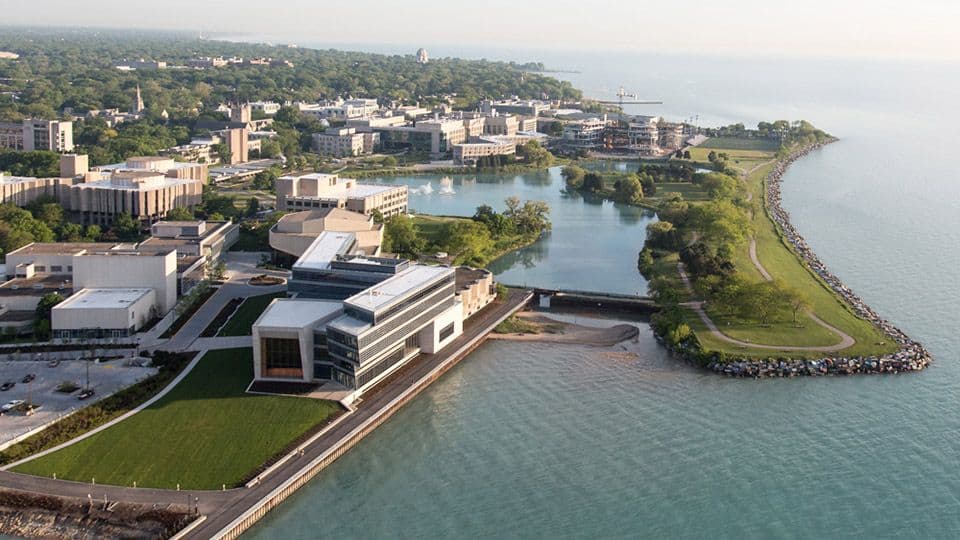
- Location: Northwestern University, United States
- Field of Study: Journalism
- Language of Instruction: English
Program Structure
Year 1
• Introduction to Journalism
• Writing for News Media
• Media, Culture, and Society
• Principles of Communication
• Academic Research & Writing
Year 2
• Multimedia Storytelling
• Journalism Ethics and Law
• Digital Photography and Video
• Public Affairs Reporting
• Data and Visualization in Journalism
Year 3
• Investigative Journalism
• Feature Writing and Editing
• Global Media and Conflict
• Elective: Broadcast or Science Journalism
• Internship / Fieldwork
Year 4
• Advanced Reporting Project
• Journalism Capstone Seminar
• Media Entrepreneurship
• Elective: Political or Environmental Journalism
• Portfolio Development and Career Prep
Career Opportunities
A degree in journalism opens doors to a wide variety of dynamic and impactful professions. Graduates often become news reporters, editors, broadcast journalists, content creators, or communication specialists, working in traditional media outlets, digital platforms, or nonprofit and advocacy organizations. Others leverage their skills in research, storytelling, and critical analysis to pursue careers in public relations, publishing, or corporate communications. The demand for professionals who can verify information, interpret data, and communicate clearly remains high in both private and public sectors. Journalism alumni also pursue further education in law, media studies, or public policy, expanding their reach across social, political, and cultural spheres.
Why Choose This Program
This program is ideal for students who are passionate about truth-seeking, storytelling, and holding power accountable. It blends rigorous training in writing and reporting with a modern approach to digital tools and audience engagement, ensuring students are prepared for the realities of contemporary journalism. The hands-on learning environment, supported by award-winning faculty and industry connections, empowers students to develop their voice and professional identity. Graduates emerge as ethical, informed, and adaptable communicators who can shape public discourse and contribute meaningfully to a democratic society.
Contact Information
For further information, please contact the admissions office at:
Phone: +1 312 555 2040
Email: admissions@northwestern.edu
Address: University of Northwestern, 633 Clark Street, Evanston, IL 60208, United States
