
Journalism
The Master of Science in Journalism is a one year full time program designed for students who want to develop advanced skills in reporting, storytelling and media production across multiple platforms. The curriculum blends theoretical foundations with hands on practice, allowing learners to understand the principles of journalism, media ethics and audience engagement while producing content for contemporary news environments. Throughout the program, students gain expertise in investigative reporting, digital media production, news writing and multimedia storytelling, ensuring they can create accurate, compelling and responsible content. The program structure supports both professional skill development and critical analysis, preparing graduates to navigate the rapidly evolving landscape of journalism.
The program also emphasizes research informed practice and exposure to real world media scenarios. Students engage in news labs, field reporting, editorial projects and collaborative workshops that strengthen both technical and analytical capabilities. Faculty mentorship, access to media production facilities and partnerships with news organizations enhance professional readiness and industry insight. By the end of the program, graduates are equipped with advanced competencies in content creation, media ethics, audience engagement and journalistic research, positioning them for success in both professional and academic contexts.
Key Facts
Key Facts
- Program Title: Journalism
- Degree Type: Master of Science
- Duration: 1 year
- Mode of Study: Full-time, On Campus
- Application Deadline: 28 April 2026
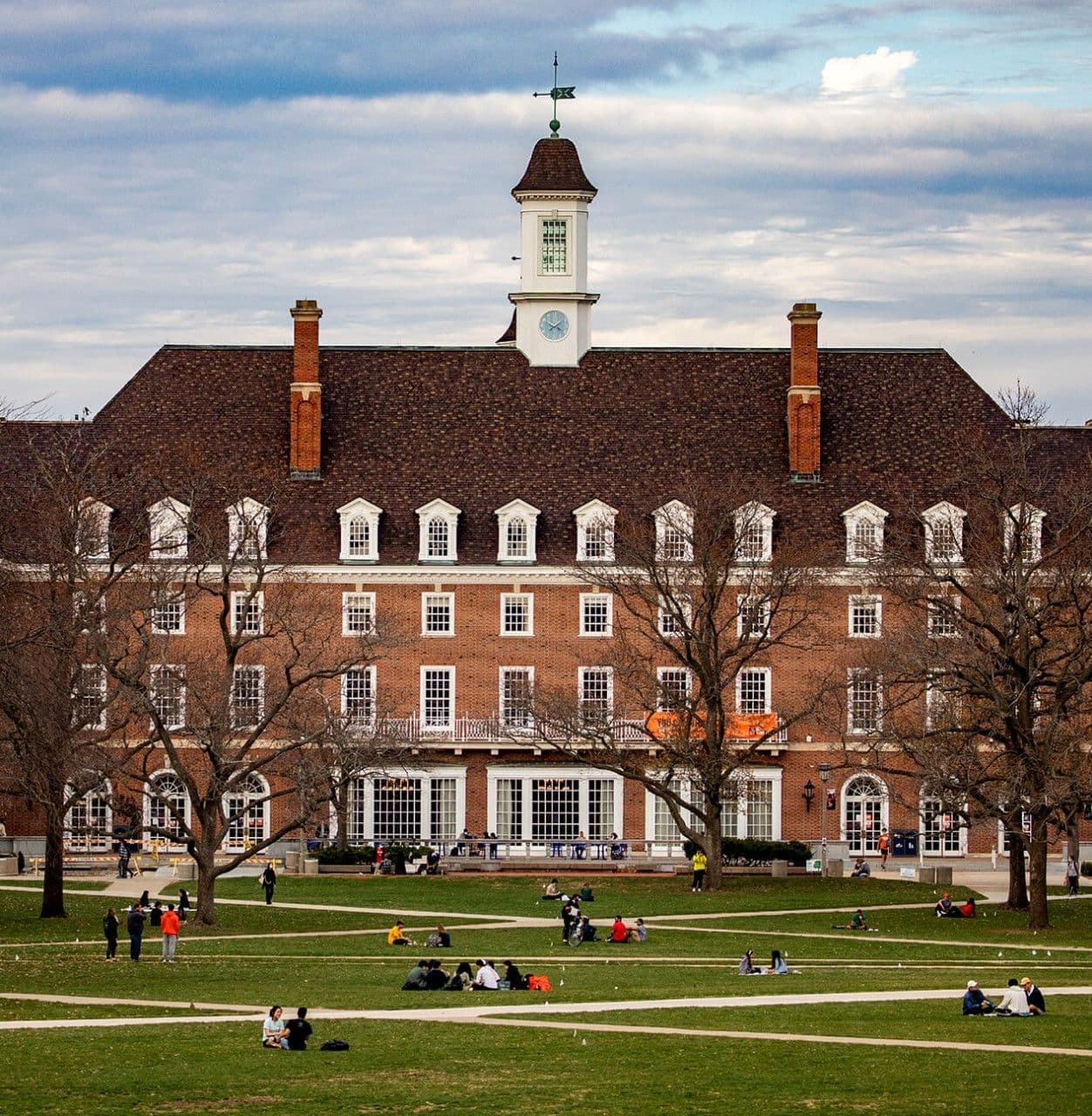
- Location: University of Illinois Urbana-Champaign, United States
- Field of Study: Journalism
- Language of Instruction: English
Program Structure
Semester 1 - Foundations in Journalism
• Principles of Journalism and Media Ethics
• News Writing and Reporting
• Digital Media Production
• Research Methods in Communication
Semester 2 - Advanced Media and Professional Practice
• Investigative Journalism and Feature Writing
• Multimedia Storytelling and Editing
• Audience Analysis and Engagement Strategies
• Independent Research Project or Professional Portfolio
Career Opportunities
Graduates of this program are prepared for a wide range of roles in traditional and digital media where storytelling, analytical thinking and professional communication are essential. Many find opportunities in news agencies, broadcast media, digital journalism platforms and editorial departments, producing content that informs, engages and influences audiences. Additional paths include public relations, media consultancy, investigative reporting and social media strategy, where graduates can apply both creative and research skills. The program’s emphasis on practical experience, ethical reporting and professional standards also provides a strong foundation for academic research, doctoral studies or freelance journalism, enabling graduates to thrive in competitive and evolving media environments.
Why Choose This Program
Graduates of this program are prepared for a wide range of roles in traditional and digital media where storytelling, analytical thinking and professional communication are essential. Many find opportunities in news agencies, broadcast media, digital journalism platforms and editorial departments, producing content that informs, engages and influences audiences. Additional paths include public relations, media consultancy, investigative reporting and social media strategy, where graduates can apply both creative and research skills. The program’s emphasis on practical experience, ethical reporting and professional standards also provides a strong foundation for academic research, doctoral studies or freelance journalism, enabling graduates to thrive in competitive and evolving media environments.
Contact Information
For further information, please contact the graduate admissions office at:
Phone: 217-333-0035
Email: grad@illinois.edu
Address: The Graduate College, 507 East Green Street, Suite 101, MC-434, Champaign, IL 61820, United States
