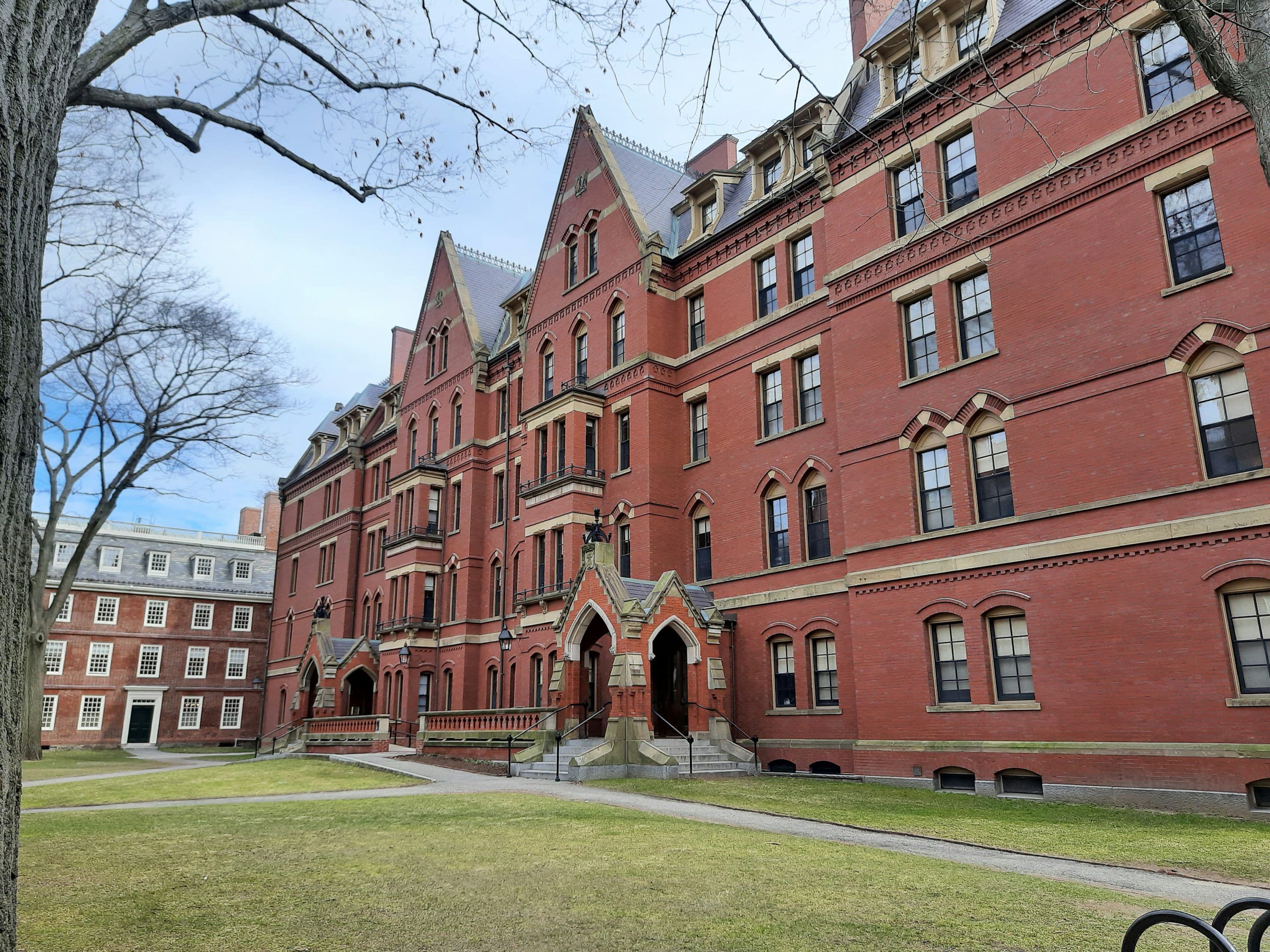

Landscape Architecture
The Landscape Architecture program offers a comprehensive graduate-level education focused on the design, planning, and stewardship of outdoor spaces. Over the two-year program, students engage with both theoretical frameworks and hands-on design practices, exploring how natural systems, cultural heritage, and urban development intersect within the built environment. The curriculum emphasizes essential skills in site analysis, design methodology, sustainable planning, and visual communication, equipping learners to create landscapes that are aesthetically compelling, ecologically responsible, and socially meaningful.
Students gain experience in landscape design studios, fieldwork, and research projects that combine creativity with environmental and cultural awareness. The program integrates study in ecology, urban planning, and design history, enabling learners to approach complex projects with both analytical and practical expertise. Throughout the curriculum, students develop competencies in critical thinking, spatial design, environmental assessment, and project management, preparing them to address contemporary challenges in landscape architecture while contributing to innovative and resilient design solutions.
Key Facts
Key Facts
- Program Title: Landscape Architecture
- Degree Type: Master of Arts
- Duration: 2 years
- Mode of Study: Full-time, On Campus
- Application Deadline: 03 January 2026
- Location: Harvard University, United States
- Field of Study: Landscape Architecture
- Language of Instruction: English
Program Structure
• Semester 1 – Foundations in Landscape Architecture
Introduction to Landscape Design Principles
Environmental Systems and Ecology
History of Landscape Architecture
Research Methods and Site Analysis
• Semester 2 – Design Application and Cultural Contexts
Landscape Design Studio II
Planting Design and Horticultural Practices
Urban Context and Site Planning
Seminar: Cultural and Historical Perspectives
• Semester 3 – Advanced Design Strategies
Landscape Design Studio III
Sustainable and Resilient Landscapes
Digital Tools and Visualization Techniques
Applied Research / Field Study
• Semester 4 – Thesis and Professional Integration
Thesis Design Studio
Professional Practice and Ethics
Portfolio Development and Presentation
Capstone Project in Landscape Architecture
Career Opportunities
Graduates of this program are prepared for a variety of professional roles in landscape architecture, urban planning, environmental design, and cultural resource management. Many pursue careers in landscape design, urban development, environmental consulting, and project coordination, applying their academic training to projects that require both creative and technical expertise. Opportunities exist within private design firms, governmental agencies, non-profit organizations, and environmental planning consultancies, where graduates contribute to sustainable, functional, and aesthetically meaningful outdoor spaces. The program equips students to address ecological challenges, integrate community needs, and implement design solutions that enhance both natural and built environments. Additionally, graduates are well-positioned to pursue licensure or doctoral studies for specialized research and leadership roles in the field.
Why Choose This Program
This program is ideal for students seeking an advanced education in landscape architecture that balances design innovation with environmental and cultural understanding. Through studio-based learning, fieldwork, and research, learners develop skills in creative problem-solving, spatial planning, sustainable design, and project evaluation, enabling them to approach projects with both analytical and practical insight. The curriculum encourages exploration of ecological systems, urban interfaces, and community engagement, fostering a holistic approach to landscape architecture. Students graduate with the ability to translate conceptual ideas into effective designs, lead collaborative projects, and address contemporary environmental and social challenges. With its focus on academic rigor, professional development, and applied learning, this program provides a strong foundation for meaningful and impactful careers in landscape architecture.
Contact Information
For further information, please contact the admissions office at:
Phone: +1 617 495 1000
Email: admissions@harvard.edu
Address: University of Harvard, Cambridge, MA 02138, United States
