
Latin American Studies
The Bachelor of Arts in Latin American Studies offers a comprehensive and interdisciplinary examination of the cultural, historical, political, and social developments that have shaped Latin America. Students explore the region’s diverse identities, indigenous traditions, colonial legacies, artistic expressions, and contemporary political movements. Through coursework in history, anthropology, literature, politics, and regional languages, learners gain a nuanced understanding of how Latin American societies have evolved and how they interact with global systems. This broad academic foundation enhances cultural interpretation, contextual insight, analytical depth, and regional awareness, enabling students to engage critically with the complexities of Latin America.
Over four years, students investigate the major forces influencing Latin American transformation, including migration, economic development, environmental change, and shifting political landscapes. The curriculum integrates fieldwork, archival research, media analysis, and thematic seminars to help learners connect theoretical frameworks with real-world issues. Through writing-intensive coursework, independent research, and interdisciplinary collaboration, students strengthen their ability to analyze historical narratives, evaluate social structures, and understand cultural production across diverse communities. This sustained intellectual engagement nurtures methodological rigor, comparative analysis, research competence, and critical reflection, preparing graduates to interpret regional dynamics and contribute thoughtfully to discussions about Latin America’s role in global affairs.
Key Facts
Key Facts
- Program Title: Latin American Studies
- Degree Type: Bachelor of Arts
- Duration: 4 years
- Mode of Study: Full-time, On Campus
- Application Deadline: 02 January 2026
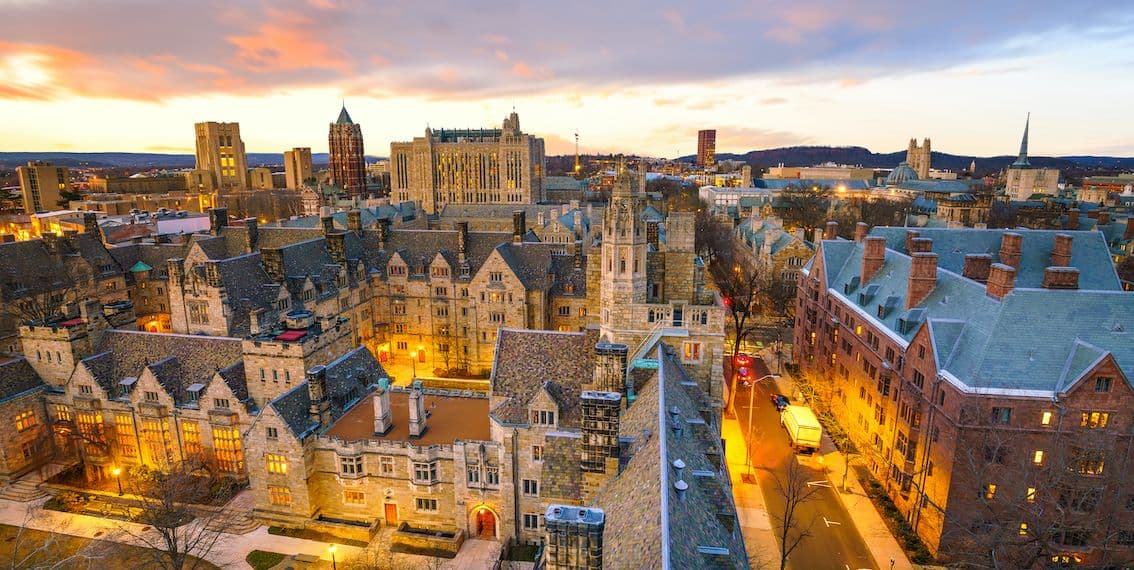
- Location: Yale University, United States
- Field of Study: American and Australasian studies
- Language of Instruction: English
Program Structure
Year 1 – Foundations of Latin American Study
· Introduction to Latin American Studies
· History of Latin America: Colonial to Modern
· Cultural and Social Foundations of the Region
· Methods in Social Science and Cultural Research
Year 2 – Core Themes in Politics, Culture & Society
· Latin American Politics and Governance
· Indigenous Communities and Cultural Change
· Literature and Visual Culture of Latin America
· Research Methods in Area Studies
Year 3 – Advanced Regional Inquiry
· Migration, Identity, and Transnational Movements
· Economic Development and Environmental Issues
· Media, Representation, and Cultural Narratives
· Independent Study / Regional Research Project
Year 4 – Thesis & Academic Integration
· Senior Thesis / Latin American Research
· Advanced Seminar in Regional Theory and Culture
· Topics in Contemporary Latin American Issues
· Academic Portfolio & Presentation Skills
Career Opportunities
Graduates of this program find opportunities across fields that require strong cultural awareness, analytical thinking, and regional expertise. Many pursue careers in international development organizations, cultural and nonprofit institutions, government or diplomatic services, and research centers, where knowledge of Latin America supports policy evaluation, cultural exchange, education, and community engagement. Additional opportunities arise in journalism, global media, tourism, translation, and advocacy groups focused on social justice or environmental issues. With training in interdisciplinary analysis, historical interpretation, and qualitative research, graduates are prepared to collaborate with multicultural teams, interpret regional dynamics, and contribute to initiatives that address political, social, and cultural challenges across Latin America. Their ability to contextualize complex issues positions them for meaningful roles in organizations working within or alongside Latin American communities.
Why Choose This Program
This program is ideal for students seeking a curriculum grounded in comprehensive regional study, offering multiple perspectives on Latin America’s cultural diversity, historical depth, and contemporary transformations. Over four years, learners develop strong critical thinking abilities, research skills, and cross-cultural communication through seminars, independent projects, and interdisciplinary coursework. The program nurtures industry-relevant expertise for careers in international relations, cultural heritage, policy analysis, and global advocacy. With its emphasis on comparative interpretation, contextual evaluation, and integrative learning, the curriculum cultivates strong intellectual judgment, enabling graduates to navigate complex regional issues and pursue advanced study or professional pathways connected to Latin America.
Contact Information
For further information, please contact the admissions office at:
Phone: +1 203 432 2300
Email: admissions@yale.edu
Address: University of Yale, New Haven, CT 06520, United States
