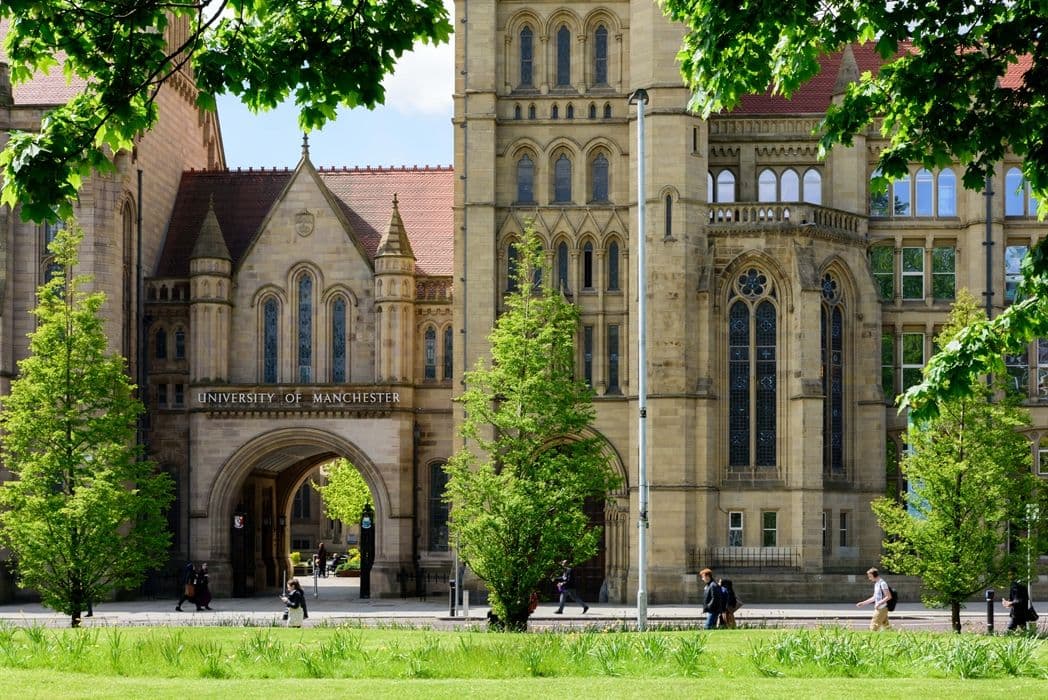

Life Sciences
The Bachelor of Science (BSc) in Life Sciences at the University of Manchester is a three-year, full-time program that offers students a broad foundation in the biological sciences, covering areas such as ecology, genetics, biochemistry, and molecular biology. The program allows students to explore how living organisms function at various levels, from molecular mechanisms to ecological interactions, providing a comprehensive understanding of the natural world. Students will also develop practical laboratory skills and gain hands-on experience in fieldwork, data analysis, and research techniques.
This program is ideal for students interested in pursuing careers in environmental conservation, research, or biotechnology. Upon completion, graduates will have the skills to work in industries such as agriculture, pharmaceuticals, environmental consultancy, or academic research. They will be prepared to contribute to advancements in fields such as ecological conservation, disease prevention, and sustainable development, addressing the pressing biological challenges of the 21st century.
Key Facts
Key Facts
Program Title: Bachelor of Science (BSc) in Life Sciences (Ecology)
Degree Type: Bachelor of Science (BSc)
Duration: 3 Years
Mode of Study: Full-time, On Campus
Application Deadline: 14th January 2026
Location: University of Manchester, United Kingdom
Field of Study: Ecology
Language of Instruction: English
Program Structure
Year 1 – Foundations of Life Sciences and Ecology
- Introduction to Ecology
- Principles of Biology
- Environmental Science and Conservation
- Biodiversity and Evolution
- Research Methods in Life Sciences
Year 2 – Intermediate Ecology and Environmental Studies
- Population and Community Ecology
- Ecosystem Processes and Management
- Environmental Chemistry
- Field Methods in Ecology
- Geographic Information Systems (GIS) in Ecology
Year 3 – Advanced Ecology and Applied Research
- Conservation Biology
- Ecological Modeling and Data Analysis
- Climate Change and its Ecological Impacts
- Advanced Topics in Ecology
- Final Year Research Project/Dissertation
Career Opportunities
Graduates of the Life Sciences (Ecology) program are prepared for a variety of roles in the environmental and conservation sectors. Career opportunities include positions such as ecologist, environmental consultant, conservation officer, wildlife biologist, and research scientist. Graduates can work for government agencies, non-governmental organizations (NGOs), environmental consultancies, and research institutions, focusing on ecological research, environmental protection, and biodiversity conservation. Some may also pursue postgraduate study in ecology, environmental science, or related fields.
Why Choose This Program
The Life Sciences (Ecology) program at the University of Manchester offers a comprehensive approach to understanding ecological systems and their role in sustaining life on Earth. Students will develop a strong foundation in ecological theory and gain practical fieldwork experience, allowing them to apply their knowledge to real-world environmental challenges. With access to cutting-edge research facilities and the opportunity to work on interdisciplinary projects, students are well-equipped to make meaningful contributions to the field of ecology. The program's emphasis on environmental sustainability and conservation makes it a great choice for those passionate about protecting our planet’s biodiversity.
Contact Information
For further information, please contact the admissions office at:
Phone: +44 (0)161 275 5252
Email: admissions@manchester.ac.uk
Address: University of Manchester, Oxford Road, Manchester M13 9PL, United Kingdom
