Linguistics offers students an in-depth study of language structure, acquisition, and use, combining theoretical, analytical, and practical approaches. The program emphasizes critical thinking, research methodology, and analytical skills, enabling students to investigate the complexities of human communication across diverse languages and cultures. Courses cover phonetics, syntax, semantics, sociolinguistics, psycholinguistics, and language acquisition, while also integrating computational and experimental methods. Students gain practical experience through research projects, data analysis, and fieldwork, developing skills essential for understanding language in social, cognitive, and cultural contexts.
Throughout the program, students cultivate strong communication, analytical, and problem-solving skills, which are vital for careers in research, education, technology, and public service. Exposure to interdisciplinary approaches, including psychology, anthropology, computer science, and cognitive science, allows graduates to explore language from multiple perspectives. By fostering independent inquiry, research competence, and analytical reasoning, the program prepares students to contribute meaningfully to linguistic scholarship, technological applications, and language-related policy and education initiatives.
Key Facts
Key Facts
- Program Title: Linguistics
- Degree Type: S. Bachelor
- Duration: 4 years
- Mode of Study: Full-time, On Campus
- Application Deadline: 01 January 2026
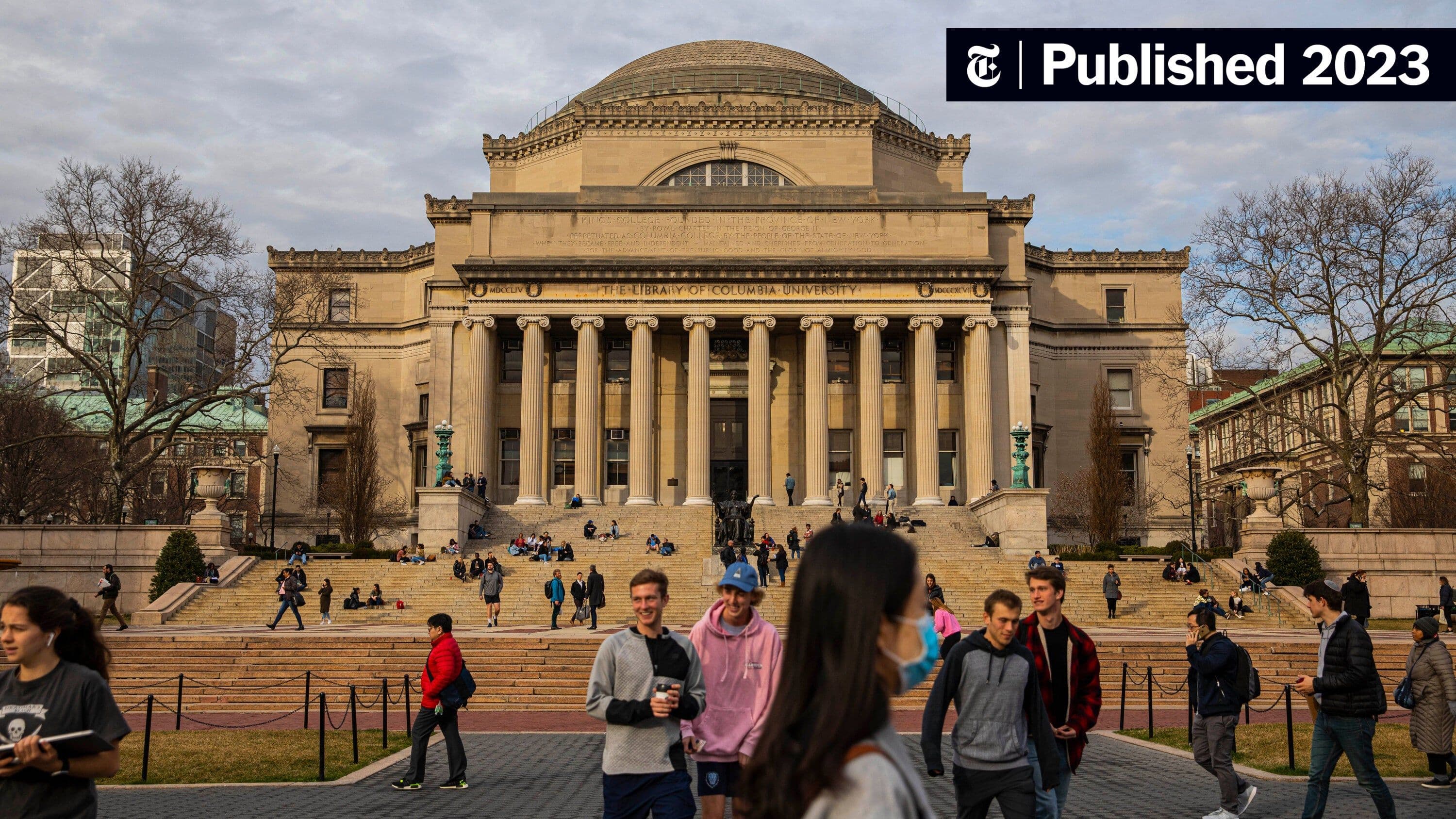
- Location: Columbia University, United States
- Field of Study: Linguistics
- Language of Instruction: English
Program Structure
Year 1 – Foundations in Linguistics
• Introduction to Linguistics
• Phonetics and Phonology
• Language and Society
• Academic Writing and Research Methods
Year 2 – Core Theoretical and Applied Studies
• Syntax and Morphology
• Semantics and Pragmatics
• Psycholinguistics and Language Acquisition
• Elective Modules in Computational Linguistics or Anthropology
Year 3 – Advanced Analysis and Research
• Sociolinguistics and Dialect Studies
• Experimental Methods in Linguistics
• Field Methods and Data Collection
• Seminar: Linguistic Case Studies
Year 4 – Independent Research and Thesis
• Independent Research Project
• Advanced Topics in Linguistics
• Language Documentation and Preservation
• Thesis Preparation and Presentation
Career Opportunities
Graduates of this program are well-prepared for careers in research, education, language technology, policy, and communication. They can work in universities, language institutes, software and AI development companies, government agencies, and non-profit organizations. The program equips students with strong analytical, research, and problem-solving skills, enabling them to pursue roles in computational linguistics, language documentation, translation, sociolinguistic research, and language education. Alumni can also engage in postgraduate studies, interdisciplinary projects, or applied research in areas like speech recognition, AI linguistics, and psycholinguistics, providing versatile and competitive career opportunities in both professional and academic contexts.
Why Choose This Program
This program provides a unique combination of theoretical knowledge and practical research, allowing students to explore language structure, acquisition, and use in depth. Small classes and faculty mentorship provide personalized guidance, fostering skill development, analytical reasoning, and independent research. The curriculum emphasizes interdisciplinary learning, ethical research, and applied methodologies, preparing graduates to tackle complex questions about language and communication. By engaging with experimental studies, field research, and data analysis, students gain the knowledge, tools, and experience necessary for impactful careers in research, education, technology, and policy, while building a strong foundation for postgraduate study or professional advancement.
Contact Information
For further information, please contact the admissions office at:
Phone: +1 212 854 1754
Email: admissions@columbia.edu
Address: University of Columbia, Admissions Office, New York, NY, United States
