Machine Theory and Dynamics
The Doctor of Philosophy (Ph.D.) in Machine Theory and Dynamics at Dokuz Eylül University is an English-taught doctoral program designed for students who want to gain advanced knowledge in mechanical systems, dynamics, kinematics, vibrations, and control of machines. The program focuses on research-based education and helps students develop strong analytical and modeling skills to study complex mechanical systems. Over eight semesters, students complete advanced coursework, research seminars, independent studies, and a doctoral dissertation that contributes original knowledge to the field. The curriculum combines theoretical foundations with applied research in modern mechanical engineering.
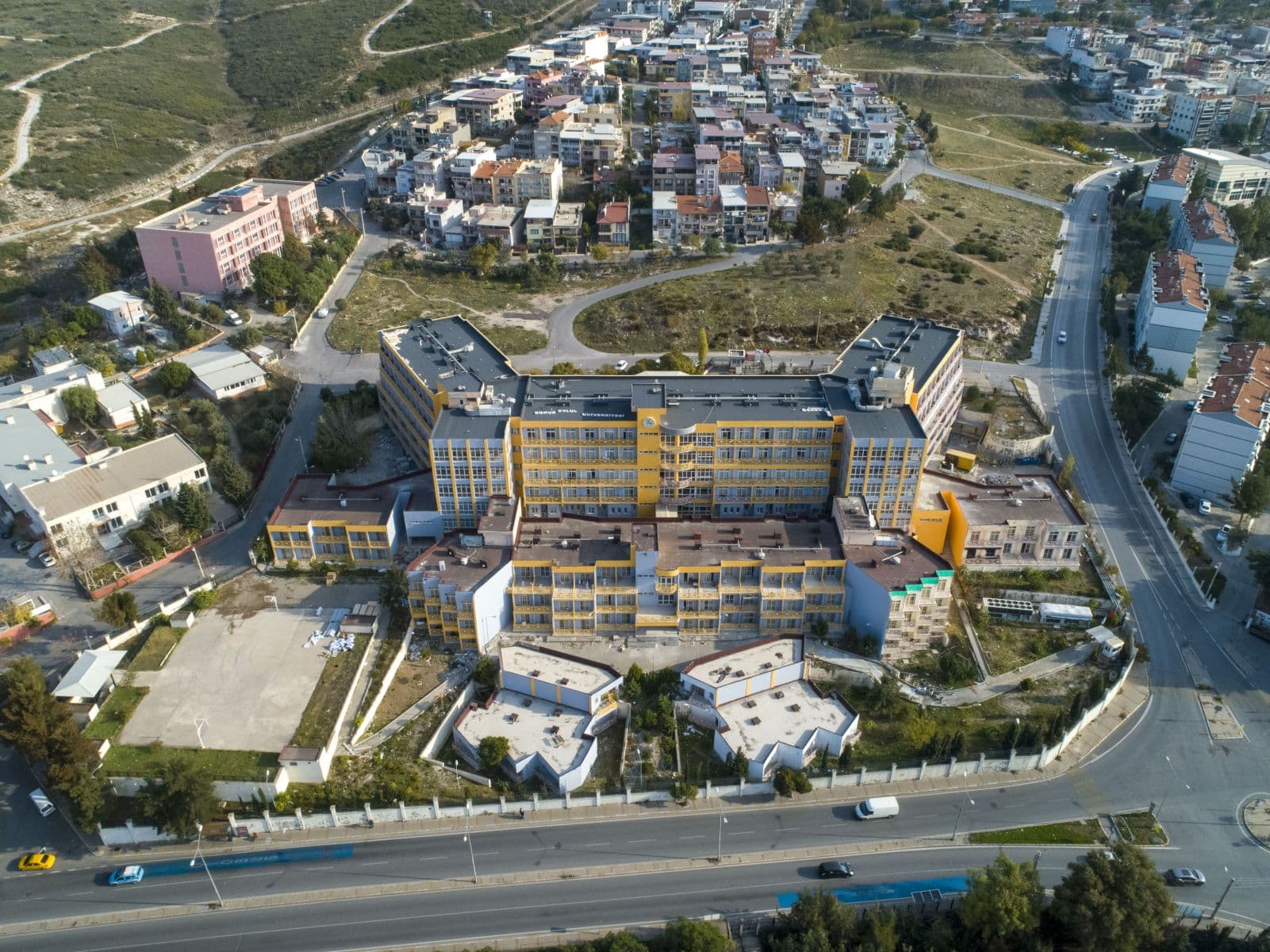
Located in İzmir, the program offers a strong academic and research environment with access to laboratories, simulation software, and experimental facilities. Students work closely with experienced faculty on research topics such as mechanism design, dynamic system analysis, robotics, and motion control. They also take part in academic publications, conferences, and collaborative projects. The program prepares graduates for careers in academia, research institutions, and advanced engineering roles in industry.
Key Facts
Key Facts
- Degree: Doctor of Philosophy (Ph.D.) in Machine Theory and Dynamics
- Standard period of study: 8 semesters
- Location: İzmir, Turkey
- Study Type: Doctoral (full-time, international)
- Admission semester: Fall semester only
- Area of study: Machine Theory, Dynamics, Mechanical Systems
- Admission modus: With admission requirements
- Main language: English
Program Structure
Semester 1 – Advanced Foundations of Mechanical Systems
- Research Methodology in Engineering
- Advanced Machine Theory
- Elective Course I
- Scientific Writing & Presentation Skills
Semester 2 – Dynamics and Motion Analysis
- Advanced Dynamics of Machinery
- Vibration Analysis
- Elective Course II
- Research Techniques in Mechanical Engineering
Semester 3 – Research Development I
- Independent Research I
- Elective Course III
- Literature Review & Academic Reading
- Research Progress Seminar
Semester 4 – Research Development II & Comprehensive Exam
- Independent Research II
- Comprehensive Exam Preparation
- Elective Course IV
- Proposal Drafting Workshop
Semester 5 – Dissertation Research I
- Dissertation Proposal Development
- Experimental and Numerical Modeling
- Conference or Journal Submission I
- Advanced Research Seminar
Semester 6 – Dissertation Research II
- Dissertation Progress Report
- Computational Dynamics and Simulation
- Conference or Journal Submission II
- Specialized Workshop Participation
Semester 7 – Dissertation Completion I
- Dissertation Writing Phase I
- Advanced Topic Seminar
- Research Group Presentation
- Publication Development Session
Semester 8 – Dissertation Completion II & Defense
- Dissertation Writing Phase II
- Final Dissertation Review
- Dissertation Defense
- Post-Defense Publication Preparation
Career Opportunities
Graduates of the Machine Theory and Dynamics Ph.D. program gain advanced research and engineering skills that open many professional paths. They can work as university lecturers, research engineers, mechanical system analysts, or senior design engineers in advanced engineering fields. Many graduates contribute to projects in robotics, automotive systems, aerospace, manufacturing, and automation industries. Others work in research centers or continue postdoctoral studies. With strong analytical abilities and research experience, graduates are well-prepared for leadership roles in both academic and industrial environments.
Why Choose This Program
Choosing the Ph.D. in Machine Theory and Dynamics means joining a research-focused program that studies the behavior and control of complex mechanical systems. Students learn advanced modeling, analysis, and simulation methods used in modern mechanical engineering. The curriculum combines theory, experimentation, and computational tools, helping students build deep technical expertise. This structure supports students in becoming independent researchers and confident engineers. It also helps them develop strong problem-solving and system analysis skills.
The program offers opportunities to publish research, attend scientific conferences, and collaborate with national and international experts. With access to modern laboratories and simulation tools, students can work on innovative solutions in mechanical system design and dynamics. The English-medium instruction supports global communication and international careers. These advantages make the program an excellent choice for students seeking advanced expertise in mechanical systems and dynamics.
Contact Information
Dokuz Eylül University – Student Advisory Service
Tinaztepe Campus
35390 Buca, İzmir, Turkey
Tel: +90 232 301 70 05
Fax: +90 232 453 10 38
Email: fbe@deu.edu.tr
Department of Mechanical Engineering – Ph.D. Program Contact
Tinaztepe Campus, Faculty of Engineering
35390 Buca, İzmir, Turkey
Tel: +90 232 301 86 20
Email: makine@deu.edu.tr
International Office – Dokuz Eylül University
Cumhuriyet Boulevard No: 144
35210 Alsancak, İzmir, Turkey
Tel: +90 232 412 12 12
Fax: +90 232 464 81 35
Email: internationaloffice@deu.edu.tr
