.png&w=640&q=75)
Marine Science
The Marine Science Master of Science program at Texas University provides an in-depth exploration of oceanographic systems, marine ecosystems, and coastal resource dynamics. This two-year, full-time program is structured to equip students with the scientific knowledge and field-based research skills necessary to understand and address complex environmental challenges in marine and coastal environments. Through a curriculum grounded in marine biology, physical oceanography, and coastal management, students investigate both global and regional marine systems, emphasizing sustainability and ecological balance.
With direct access to field stations, coastal labs, and research vessels, students engage in hands-on studies involving water quality, marine biodiversity, ocean circulation, and ecosystem modeling. The program encourages interdisciplinary collaboration with environmental scientists, policy experts, and resource managers. Students also explore the socioeconomic dimensions of marine conservation, preparing them to address real-world issues such as habitat degradation, fisheries sustainability, and climate-related impacts on oceans. Graduates emerge with a strong foundation in scientific inquiry, data interpretation, and marine stewardship, ready to contribute to the preservation and sustainable use of aquatic resources.
Key Facts
Key Facts
- Program Title: Marine Science
- Degree Type: Master of Science
- Duration: 2 years
- Mode of Study: Full-time, On Campus
- Application Deadline: 01 December 2025
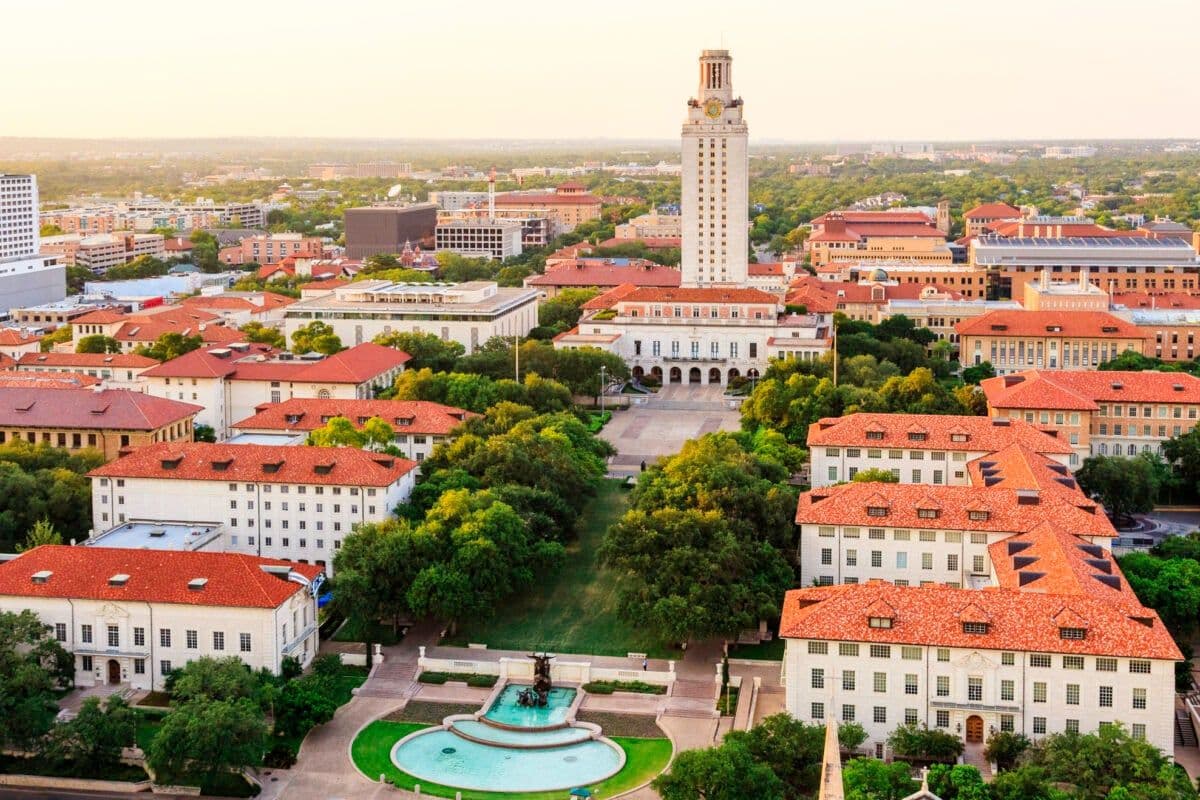
- Location: University of Texas at Austin, United States
- Field of Study: Marine Science
- Language of Instruction: English
Program Structure
Semester 1 – Marine Science Fundamentals
- Marine Biology and Ecology
- Physical Oceanography
- Coastal Processes and Geology
- Marine Research Methods
Semester 2 – Ecosystems and Applied Marine Analysis
- Chemical Oceanography
- Marine Resource Management
- Oceanographic Data Modeling
- Field Research in Coastal Environments
Semester 3 – Specialization and Policy Integration
- Marine Conservation and Fisheries Policy
- Advanced Marine Ecosystems
- Remote Sensing in Oceanography
- Internship or Field-Based Research Project
Semester 4 – Thesis and Synthesis
- Master’s Thesis Research
- Marine Data Interpretation and Presentation
- Coastal Policy and Environmental Ethics
- Thesis Defense and Final Portfolio
Career Opportunities
Graduates of this program are well-prepared for careers in marine research institutions, government agencies, environmental consulting firms, and nonprofit conservation organizations. They may work as marine scientists, coastal resource managers, environmental analysts, or marine policy advisors. Their training enables them to conduct scientific research, manage protected marine areas, contribute to environmental impact assessments, and develop policies that balance ecological preservation with economic activity. The demand for skilled marine professionals continues to grow as global attention focuses on rising sea levels, marine pollution, and ocean sustainability.
Why Choose This Program
This program offers a compelling blend of scientific rigor, field immersion, and environmental relevance. Students benefit from small research-focused cohorts, expert faculty with global marine experience, and access to coastal facilities that support hands-on learning. The curriculum balances core science with applied practice, giving students both theoretical depth and real-world readiness. For individuals passionate about ocean health, sustainable resource use, and marine conservation leadership, this degree delivers an engaging, multidisciplinary, and impact-driven academic experience that prepares them to lead in protecting the planet’s most vital ecosystems.
Contact Information
For further information, please contact the admissions office at:
Phone: +1 (512) 471-3434
Email: gradadmissions@utexas.edu
Address: 110 Inner Campus Drive, Stop G1800, Austin, TX 78712, USA
