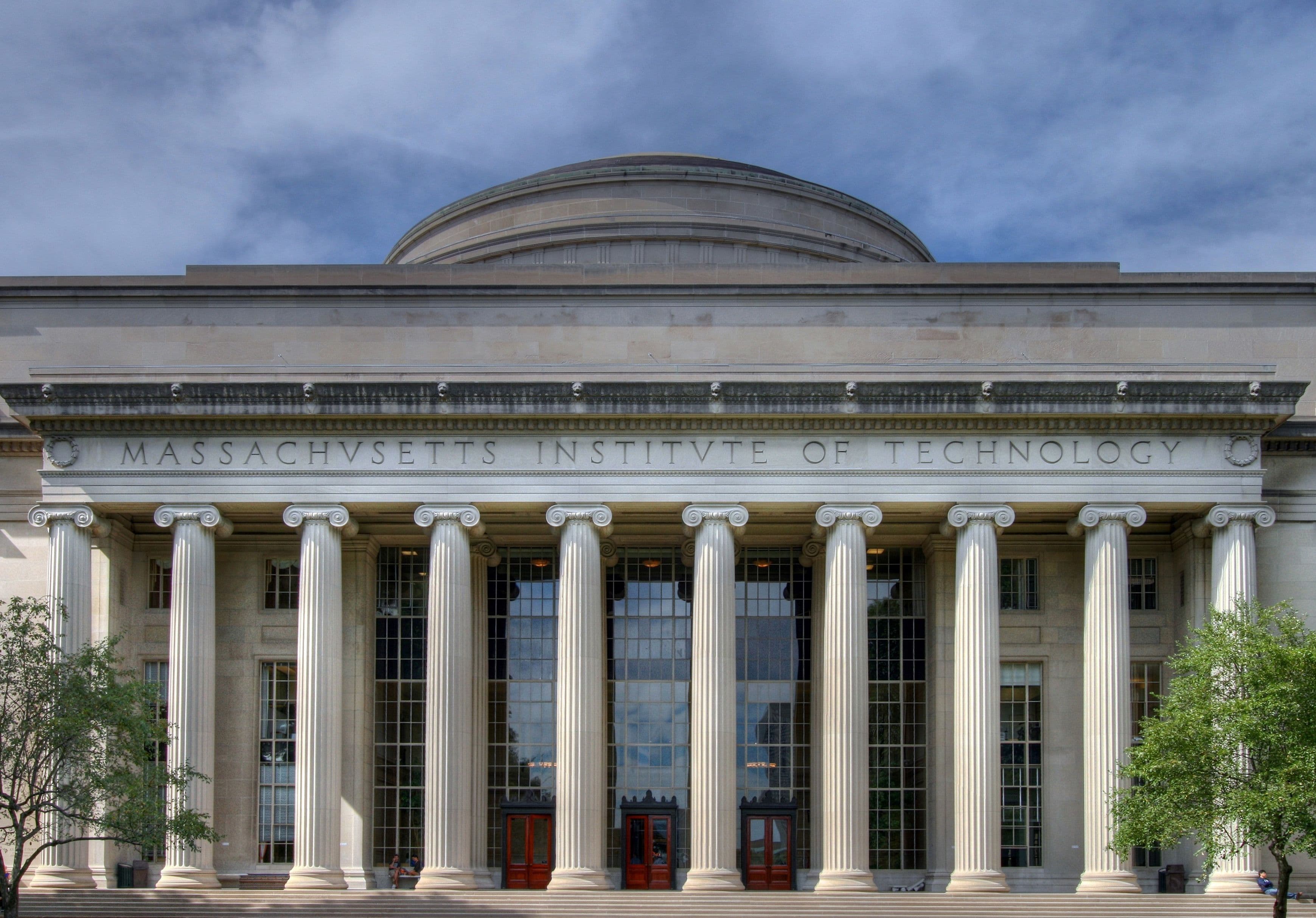

Mechanical Engineering
The Mechanical Engineering Bachelor of Science program offers a comprehensive and methodical exploration of how mechanical systems are conceived, designed, and optimized across various industries. Students build a strong understanding of fundamental engineering concepts while developing the ability to apply analytical reasoning, mathematical modeling, and experimental techniques to mechanical challenges. The curriculum emphasizes the principles that govern motion, energy, and structural behavior, allowing learners to understand how engineering solutions support modern technological development. Through this integration of theory and application, students gain insight into how mechanical engineering influences fields such as robotics, manufacturing, transportation, and energy systems.
As students advance through the program, they engage in laboratory work, design studios, and research projects that cultivate their problem-solving capabilities and technical proficiency. These experiences strengthen their understanding of materials behavior, thermodynamic systems, and dynamic modeling, helping them make informed decisions in real engineering contexts. Access to advanced facilities and interdisciplinary collaboration further enriches the learning environment, enabling students to combine creativity with rigorous analytical skills. Graduates emerge with a versatile skill set that prepares them for careers in engineering design, product development, technical research, or further academic study in specialized engineering areas.
Key Facts
Key Facts
- Program Title: Mechanical Engineering
- Degree Type: Bachelor of Science
- Duration: 4 years
- Mode of Study: Full-time, On Campus
- Application Deadline: 04 January 2026
- Location: Massachusetts Institute of Technology (MIT), United States
- Field of Study: Mechanical Engineering
- Language of Instruction: English
Program Structure
Year 1 – Foundations in Engineering and Applied Science
• Introduction to Mechanical Engineering
• Calculus and Engineering Mathematics
• General Physics with Laboratory
• Computing and Problem-Solving for Engineers
Year 2 – Core Mechanical Engineering Principles
• Statics and Dynamics
• Materials Science for Engineers
• Thermodynamics
• Mechanical Design Fundamentals
Year 3 – Advanced Systems and Applications
• Fluid Mechanics
• Heat Transfer and Energy Systems
• Mechanical Systems Analysis
• Electives in Robotics, Manufacturing, or Control Systems
Year 4 – Integration, Design & Capstone
• Advanced Mechanical Design
• Modeling and Simulation of Mechanical Systems
• Capstone Engineering Project
• Specialized Technical Electives
Career Opportunities
Graduates of this program pursue careers in industries that rely on strong engineering analysis, mechanical design, and systems optimization. Many work in product development, automotive engineering, aerospace, manufacturing, or energy technology, applying their technical background to create efficient and reliable mechanical systems. Others contribute to research laboratories, government agencies, or consulting firms where engineering expertise supports innovation and long-term project development. The program also provides a solid foundation for students considering graduate studies in mechanical engineering or related technical disciplines that demand strong analytical preparation.
Why Choose This Program
This program is well-suited for students who want to understand how mechanical principles shape modern engineering solutions and technological progress. The curriculum focuses on design innovation, technical rigor, and real-world application, enabling learners to approach complex mechanical problems with confidence and clarity. Students benefit from hands-on laboratory experiences, collaborative design projects, and opportunities to interact with faculty engaged in cutting-edge research. Its balanced emphasis on theory and practice offers a strong academic pathway for those seeking to contribute to engineering advancements across diverse industrial sectors.
Contact Information
For further information, please contact the admissions office at:
Phone: +1 617-253-1000
Email: admissions@mit.edu
Address: University of MIT, 77 Massachusetts Avenue, Cambridge, MA 02139, USA
