Master of Arts · Full-time · On Campus

Harvard University
Cambridge, United States
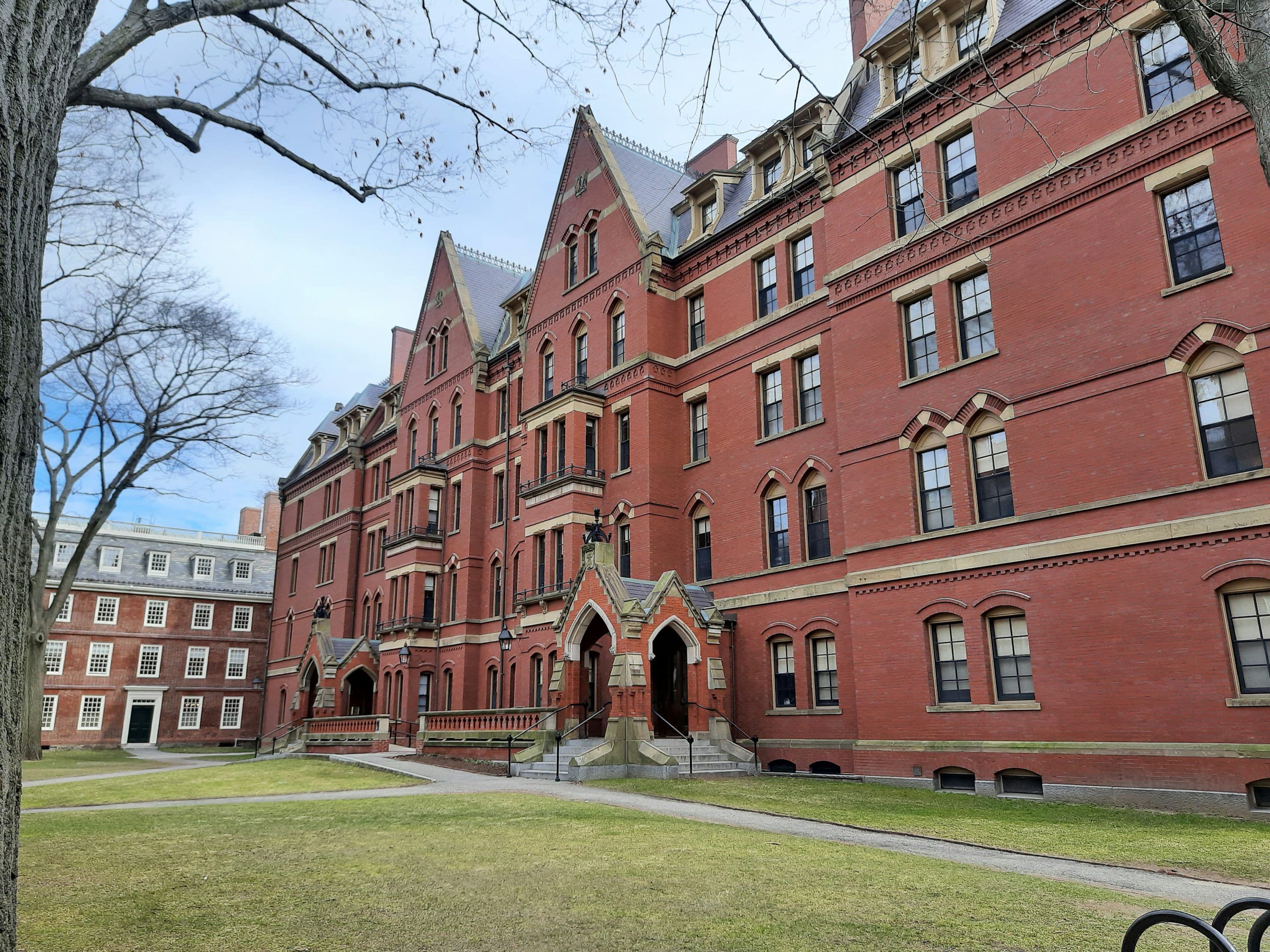
The Media, Medicine, and Health program provides an interdisciplinary approach to the intersection of media, health communication, and medical practices, preparing students to analyze and shape narratives in public health and medical contexts. Students explore topics such as health communication, media representation of medical issues, public health campaigns, and ethical considerations in media production. The curriculum emphasizes applied research and analytical skills, allowing students to combine theoretical knowledge with hands-on media projects, case studies, and collaborative assignments. Through lectures, workshops, and production-based tasks, participants gain experience in designing and evaluating media strategies that influence health behavior, policy, and public perception.
In addition to media and health expertise, the program fosters critical thinking, research proficiency, and creative communication, equipping students to produce content that effectively communicates complex medical information to diverse audiences. Applied projects, independent research, and media campaigns allow participants to explore challenges in health communication, develop evidence-based strategies, and engage with interdisciplinary teams. Graduates leave the program prepared for careers in health communication, media production, public health consultancy, or to pursue advanced studies in media, public health, or health policy research.
Semester 1 – Foundations in Media, Medicine, and Health
Semester 2 – Applied Projects & Capstone
Graduates of this program are prepared for careers in health communication, media production, public health consultancy, and research, taking on roles such as health communication specialists, media consultants, content strategists, and research analysts. The program equips students with analytical, creative, and applied skills, enabling them to design and evaluate media strategies that inform and influence public health outcomes. Additionally, graduates are well-prepared for further academic studies, including master’s or doctoral programs in public health, media studies, or health communication, positioning them for specialist and leadership roles in media organizations, hospitals, NGOs, government agencies, and research institutions.
This program provides a comprehensive and applied learning experience that integrates media studies, health communication, and medical knowledge, preparing students to address complex challenges in communicating health information. Through lectures, workshops, applied projects, and independent research, students develop practical skills in media production, health messaging, and audience engagement. The curriculum fosters critical thinking, creative problem-solving, and professional insight, ensuring graduates are capable of delivering impactful communication strategies and contributing meaningfully to public health initiatives. By combining theoretical knowledge with hands-on experience, the program equips students with the expertise, confidence, and professional readiness needed to excel in careers at the intersection of media and health.
For further information, please contact the admissions office at:
Phone: +1 617 495 1000
Email: admissions@harvard.edu
Address: University of Harvard, Cambridge, MA 02138, United States
Master of Arts · Full-time · On Campus
Harvard University
Cambridge, United States
Master of Education · Part-time · Online
Harvard University
Cambridge, United States
Bachelor of Arts · Full-time · On Campus
Harvard University
Cambridge, United States
S. Master · Part-time · On Campus
Harvard University
Cambridge, United States
