Medical Anthropology
The Medical Anthropology Bachelor of Science program at Columbia University is a four-year, full-time undergraduate program designed to provide students with an interdisciplinary understanding of health, illness, and medical practices in cultural and social contexts. The curriculum integrates anthropology, biology, public health, and sociology, allowing students to explore how cultural, environmental, and social factors influence health outcomes and healthcare delivery. Students develop critical thinking, research, and analytical skills, preparing them to investigate complex health issues and contribute to culturally informed healthcare solutions.
The program combines rigorous coursework with fieldwork, laboratory research, and applied projects, enabling students to connect theoretical concepts with practical experiences. Columbia emphasizes an interdisciplinary approach, encouraging students to examine global health challenges, disease ecology, medical systems, and the social determinants of health. Faculty mentorship and research opportunities provide students with hands-on experience in data collection, ethnographic study, and applied analysis. Graduates emerge with both a deep understanding of medical anthropology and the skills to analyze health issues from multiple scientific and cultural perspectives.
Key Facts
Key Facts
- Program Title: Medical Anthropology
- Degree Type: S. Bachelor
- Duration: 4 years
- Mode of Study: Full-time, On Campus
- Application Deadline: 01 January 2026
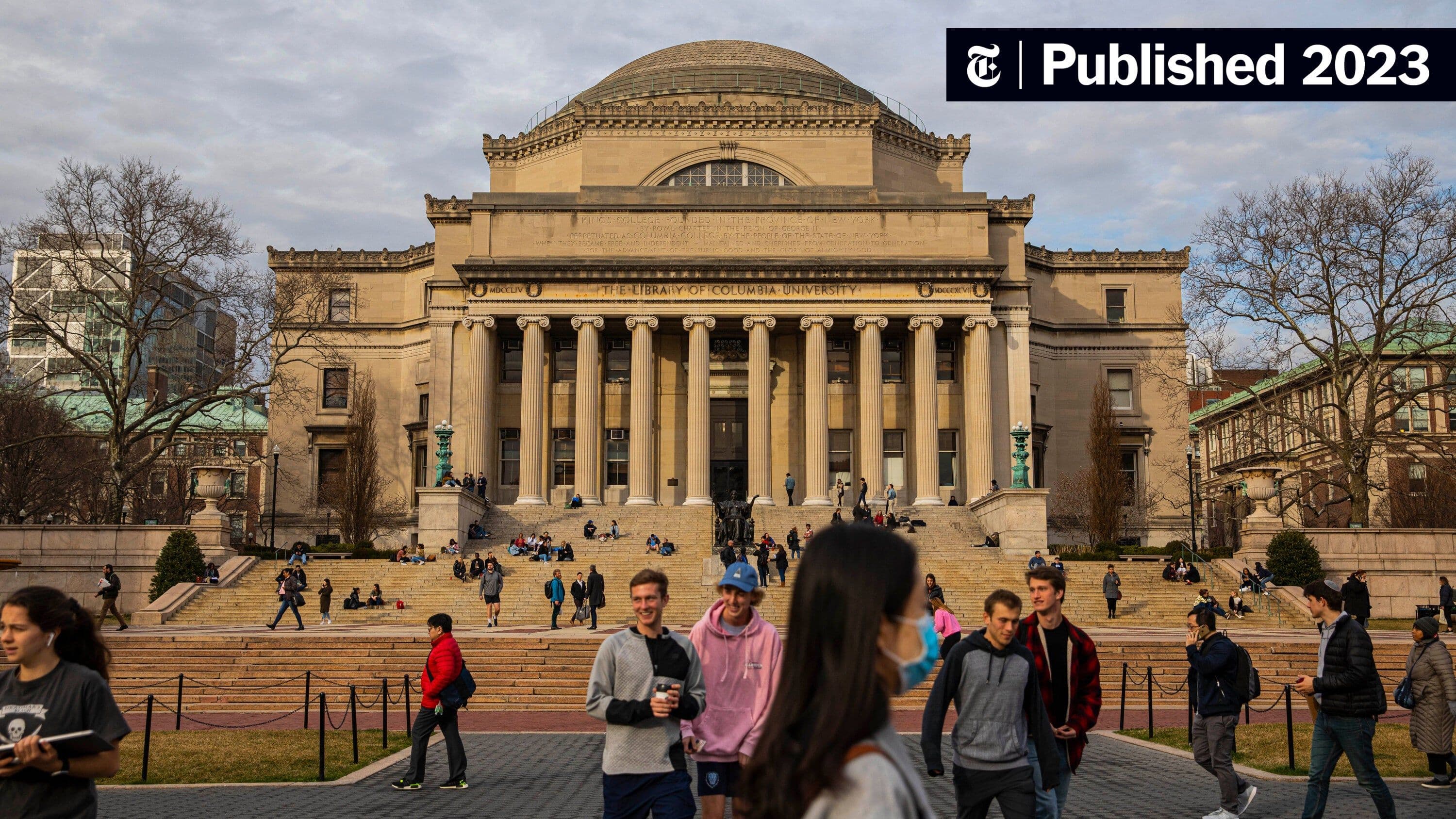
- Location: Columbia University, United States
- Field of Study: Anthropology
- Language of Instruction: English
Program Structure
Year 1 – Foundations in Medical Anthropology
- Introduction to Anthropology and Human Societies
- Principles of Biology and Human Health
- Global Health and Social Determinants
- Research Methods in Anthropology
Year 2 – Intermediate Study and Applied Methods
- Cultural Approaches to Medicine and Healing
- Epidemiology and Public Health Basics
- Laboratory and Field Techniques
- Elective: Nutrition, Environmental Health, or Bioethics
Year 3 – Advanced Topics and Specialization
- Medical Systems and Health Policy
- Disease Ecology and Global Health Challenges
- Elective: Medical Sociology, Genetics, or Health Communication
- Independent Research Project
Year 4 – Capstone and Professional Preparation
- Seminar in Medical Anthropology and Applied Health
- Senior Thesis or Applied Field Project
- Internship or Professional Field Experience
- Elective: Health Program Evaluation or Community-Based Research
Career Opportunities
Graduates of this program are prepared for careers in public health, healthcare policy, global health organizations, research institutions, and nonprofit health initiatives. Many work as health program analysts, research assistants, policy advisors, or community health coordinators, applying interdisciplinary knowledge to address health challenges. Others pursue graduate studies in medical anthropology, public health, global health, or related fields, leveraging the program’s strong foundation in research and applied health studies. The combination of analytical, cultural, and scientific expertise equips graduates to develop effective, culturally informed health solutions and contribute to global health initiatives.
Why Choose This Program
This program is ideal for students who want to integrate anthropological perspectives with scientific and public health knowledge to address complex health issues. Columbia University offers access to experienced faculty, research opportunities, and immersive fieldwork experiences, providing both theoretical and practical learning environments. The four-year curriculum emphasizes interdisciplinary study, critical thinking, and applied research, preparing graduates to influence health policy, conduct research, and contribute to culturally informed healthcare practices. For those passionate about understanding the social and biological dimensions of health, this program provides the expertise, experience, and professional network necessary to make a meaningful impact.
Contact Information
For further information, please contact the admissions office at:
Phone: +1 212 854 1754
Email: admissions@columbia.edu
Address: University of Columbia, Admissions Office, New York, NY, United States
