
Medical Sciences in Immunology
The Medical Sciences in Immunology program offers an in-depth exploration of the immune system, combining theoretical knowledge with practical laboratory experience to prepare students for careers in research, medicine, and biotechnology. Students study topics such as molecular immunology, cellular signaling, infectious diseases, and immunotherapy, developing the skills necessary to understand complex immune mechanisms and their clinical applications. The curriculum emphasizes research-driven learning and experimental design, allowing students to critically analyze immunological data and contribute to advancements in healthcare. Through lectures, laboratory work, and independent research projects, participants gain hands-on experience in experimental techniques, data interpretation, and scientific communication.
In addition to core scientific training, the program fosters critical thinking, problem-solving, and collaborative skills, preparing students to address challenges in medical research and clinical practice. Applied laboratory projects and research assignments enable students to translate theoretical knowledge into practical applications, designing and evaluating experiments related to immune responses, disease prevention, and novel therapeutic strategies. Graduates leave the program with a strong foundation in immunology, equipped to pursue careers in research institutions, pharmaceutical companies, clinical laboratories, or further academic studies such as doctoral programs in immunology or related biomedical sciences.
Key Facts
Key Facts
- Program Title: Medical Sciences in Immunology
- Degree Type: S. Master
- Duration: 2 years
- Mode of Study: Full-time, On Campus
- Application Deadline: 05 May 2026
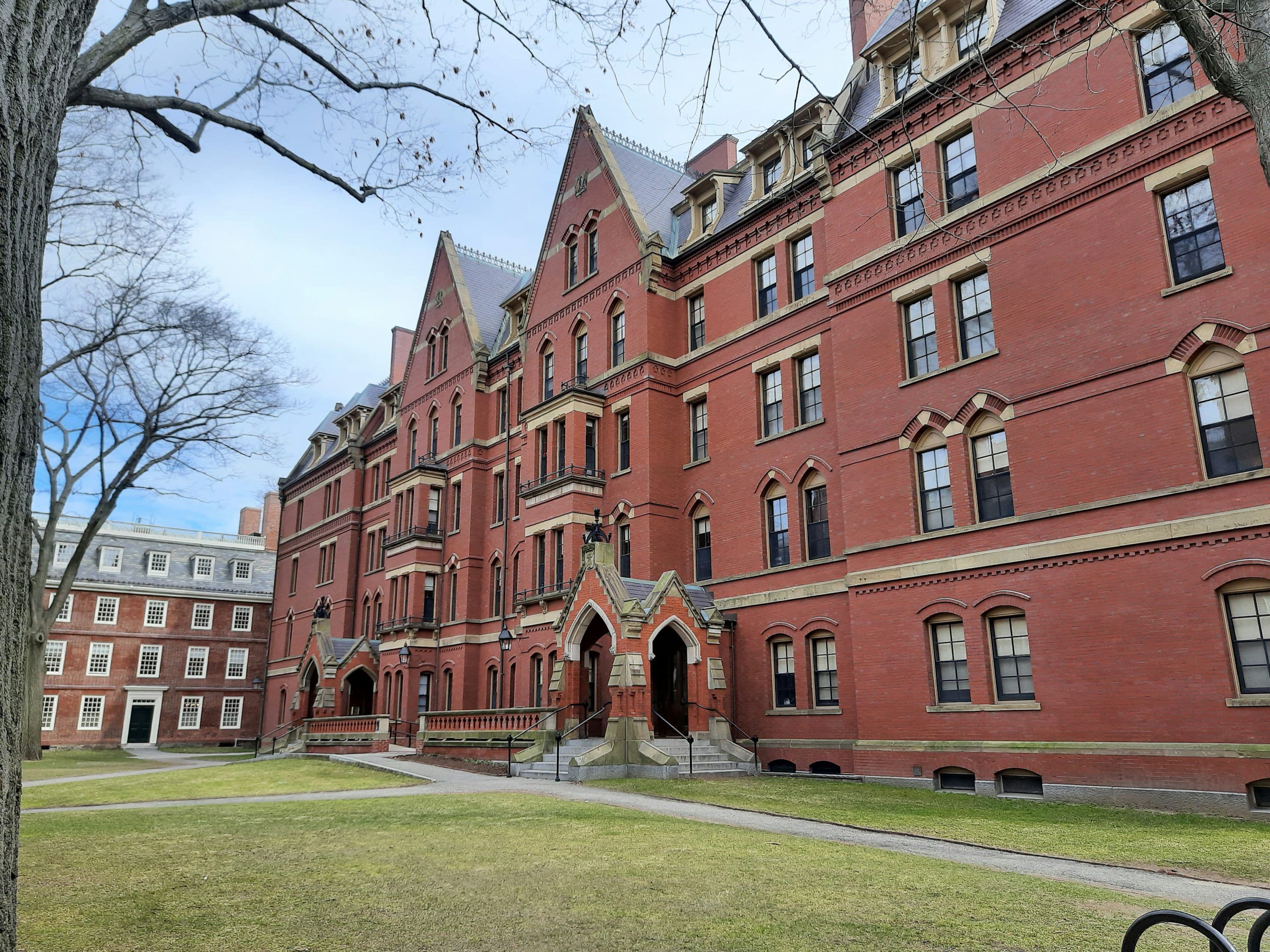
- Location: Harvard University, United States
- Field of Study: Medicine
- Language of Instruction: English
Program Structure
Semester 1 – Foundations in Immunology
- Cellular and Molecular Immunology
- Human Physiology and Disease Mechanisms
- Biostatistics and Experimental Design
- Research Methods in Medical Sciences
Semester 2 – Applied Immunology & Laboratory Techniques
- Immunopathology and Clinical Immunology
- Laboratory Techniques in Immunology
- Infectious Diseases and Immune Responses
- Seminar: Current Trends in Immunology
Semester 3 – Advanced Research & Specialization
- Immunotherapy and Translational Research
- Advanced Molecular Techniques
- Independent Research Project / Fieldwork
- Electives in Vaccinology, Autoimmunity, or Microbiology
Semester 4 – Capstone & Thesis
- Independent Research / Thesis
- Data Analysis and Experimental Interpretation
- Scientific Writing and Presentation
- Professional Portfolio Development
Career Opportunities
Graduates of this program are prepared for careers in research institutions, biotechnology companies, clinical laboratories, pharmaceutical industries, and academic settings, taking on roles such as immunologists, research scientists, clinical researchers, and laboratory managers. The program equips students with strong analytical, research, and laboratory skills, enabling them to design and conduct experiments, interpret complex immunological data, and contribute to innovative healthcare solutions. Additionally, graduates are well-prepared for further academic studies such as doctoral programs in immunology or biomedical sciences, positioning them for leadership roles in research, clinical practice, or advanced scientific consultancy.
Why Choose This Program
This program provides a comprehensive and applied learning experience that integrates theoretical immunology with hands-on laboratory practice, preparing students to tackle complex challenges in medicine and biomedical research. Through lectures, laboratory projects, seminars, and independent research, students develop critical thinking, problem-solving, and scientific communication skills. The curriculum emphasizes both experimental expertise and conceptual understanding, ensuring graduates are capable of designing and conducting high-quality research while contributing effectively to healthcare and scientific innovation. By combining rigorous training with applied experience, the program equips students with the expertise, confidence, and professional readiness needed to excel in diverse roles within immunology, medical research, and related biomedical fields.
Contact Information
For further information, please contact the admissions office at:
Phone: +1 617 495 1000
Email: admissions@harvard.edu
Address: University of Harvard, Cambridge, MA 02138, United States
