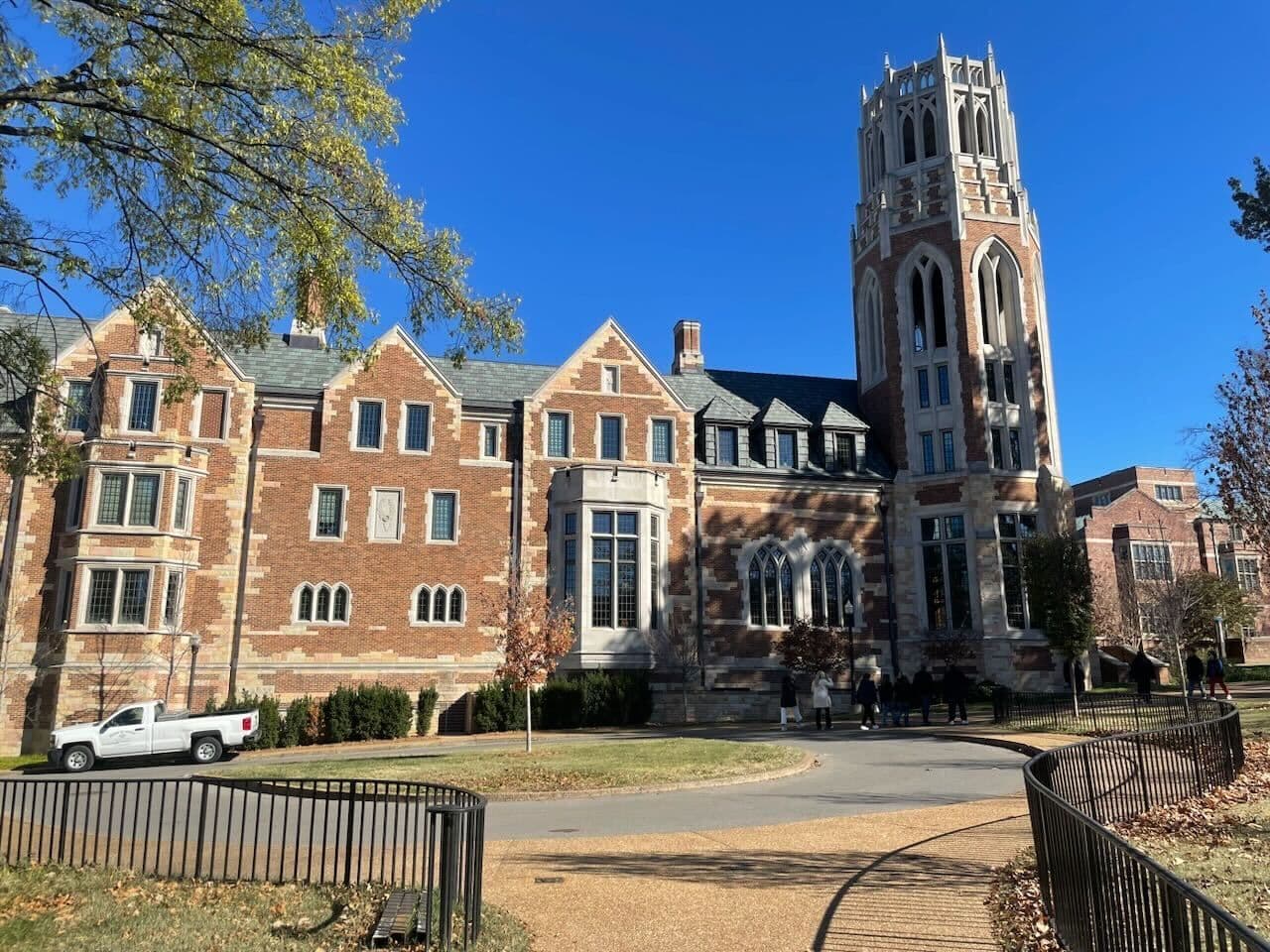

Medicine, Health and Society
The Medicine, Health and Society (MHS) Bachelor of Science program at Vanderbilt University offers an interdisciplinary approach to understanding health, illness, and medical care in their broader social, cultural, and political contexts. By drawing on insights from public health, sociology, anthropology, ethics, and policy studies, the program encourages students to critically examine how healthcare systems operate, who they serve, and what social factors influence well-being. Rather than focusing solely on biomedical perspectives, students explore how race, class, gender, and geography shape health outcomes and access to care.
The curriculum is designed to prepare students for a wide range of careers in health-related fields by blending scientific knowledge with humanistic inquiry and policy analysis. Students take courses in global health, epidemiology, medical ethics, and healthcare disparities while also engaging in research, internships, and community-based learning. The program develops strong skills in critical thinking, interdisciplinary analysis, cultural literacy, and applied research, empowering students to approach public health challenges with empathy, insight, and social awareness.
Key Facts
Key Facts
- Program Title: Medicine, Health and Society
- Degree Type: Bachelor of Science
- Duration: 4 years
- Mode of Study: Full-time, On Campus
- Application Deadline: 01 January 2026
- Location: Vanderbilt University, United States
- Field of Study: Public Health
- Language of Instruction: English
Program Structure
Year 1 – Foundations in Health and Society
• Introduction to Medicine, Health and Society
• General Biology or Chemistry I & II
• Academic Writing in Health and Humanities
• Social Determinants of Health
Year 2 – Systems, Ethics, and Health Equity
• Public Health Systems and Policy
• Epidemiology and Evidence-Based Practice
• Health Disparities and Social Justice
• Bioethics or Medical Anthropology
Year 3 – Global and Community Health Perspectives
• Global Health Challenges
• Community-Based Health Interventions
• Quantitative and Qualitative Research Methods
• Electives in Disability Studies, Gender and Health, or Mental Health
Year 4 – Capstone and Applied Learning
• Senior Seminar in Health and Society
• Independent Research or Honors Thesis
• Internship or Fieldwork in Health Organization
• Capstone Project in Public Health Analysis
Career Opportunities
Graduates of the MHS program are well positioned for careers in public health, healthcare administration, policy research, and community health advocacy, where a deep understanding of social and structural health issues is crucial. Many pursue further education in medicine, nursing, social work, health law, or epidemiology, supported by a curriculum that emphasizes both scientific literacy and human-centered approaches to care. Alumni work in nonprofit organizations, government agencies, research institutions, and global health initiatives, where they help design, evaluate, and implement health policies and programs. Some graduates work in hospital management, health communication, or data analytics, contributing to the improvement of patient outcomes and equity in healthcare delivery. With strong analytical and interpersonal skills, MHS graduates bring a critical and compassionate perspective to a range of professional settings, making them effective leaders in addressing today’s most urgent health and social challenges through multidimensional thinking and public engagement.
Why Choose This Program
Vanderbilt’s Medicine, Health and Society program stands out for its commitment to interdisciplinary education that blends science, humanities, and social analysis to address the complexities of health in modern society. The curriculum encourages ethical reasoning, critical engagement, public service, and cultural analysis, equipping students to think beyond the clinic and understand the broader forces that shape health systems and outcomes. With access to faculty across disciplines, students benefit from mentorship in research, community engagement, and professional development. The program also supports experiential learning through internships, service projects, and policy labs, helping students apply theory to practice. Whether preparing for medical school, policy work, or community health leadership, students graduate with a well-rounded education that fosters both technical understanding and social responsibility. For those passionate about improving health through both evidence and empathy, this program provides the tools to become thoughtful, informed, and impactful contributors to health equity and social change.
Contact Information
For further information, please contact the admissions office at:
Phone: (615) 322-2561
Email: admissions@vanderbilt.edu
Address: University of Vanderbilt, Office of Undergraduate Admissions, 2305 West End Avenue, Nashville, TN 37203‑1727, United States
