Master of Science · Full-time · On Campus

Johns Hopkins University
Baltimore, United States
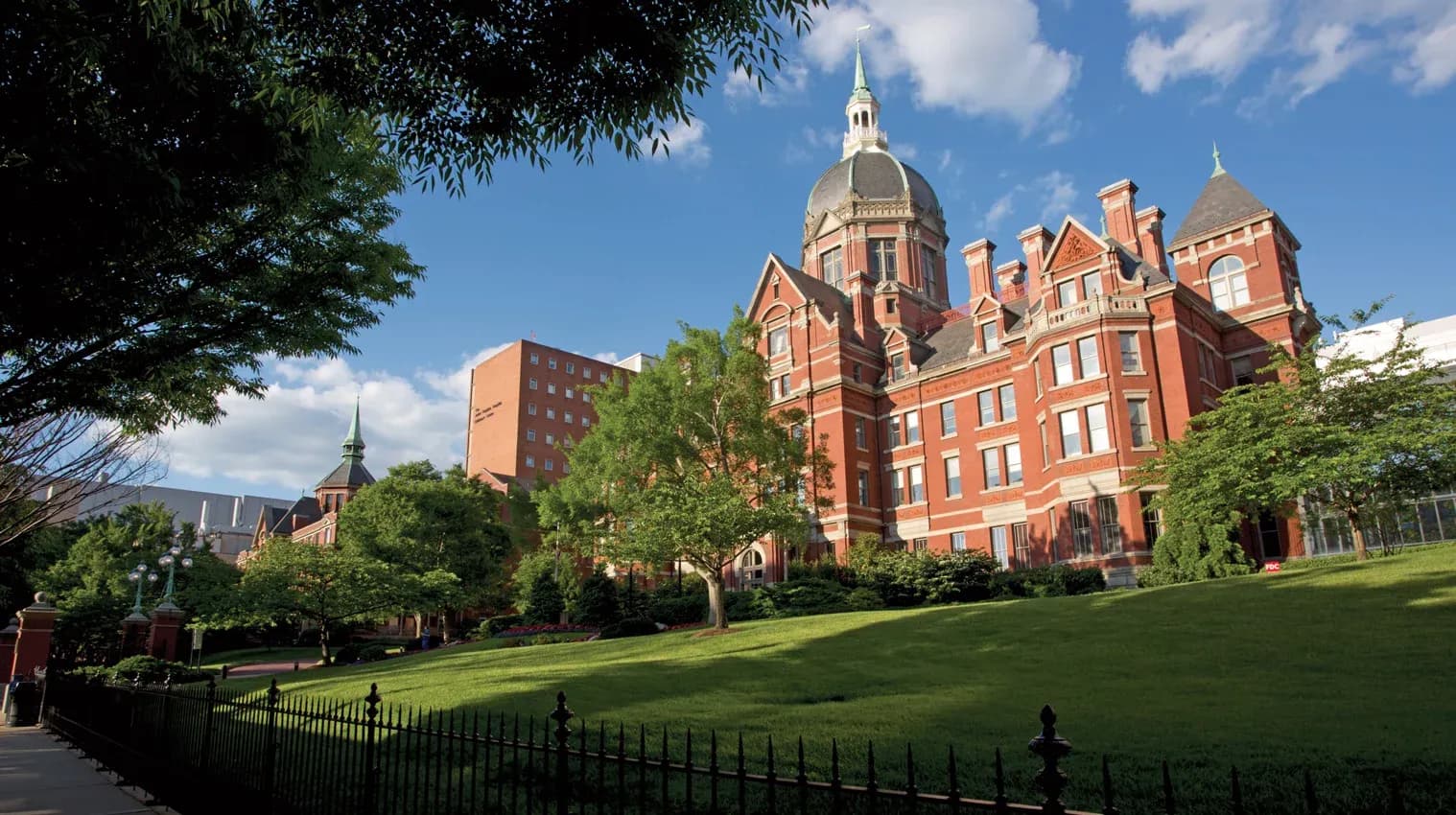
The Medicine, Science and the Humanities program at Johns Hopkins University offers a unique interdisciplinary approach to exploring the human experience of health, illness, and medical discovery. Combining rigorous training in biology and medicine with critical perspectives from history, philosophy, literature, and ethics, this program is designed for students who seek a holistic understanding of healthcare. By integrating the natural sciences with the humanities, students examine how scientific progress intersects with cultural, ethical, and social dimensions. The curriculum encourages a deep engagement with questions around the meaning of care, the role of medicine in society, and the narratives that shape our understanding of life and death.
Students benefit from access to world-class faculty, research opportunities, and proximity to leading medical institutions such as the Johns Hopkins School of Medicine. The program fosters intellectual versatility, emphasizing both empirical reasoning and interpretive analysis. Through seminar-based learning and individualized mentorship, students explore topics like the history of medicine, health disparities, and science communication. With its commitment to interdisciplinary inquiry, the program prepares graduates to approach complex health challenges with empathy, analytical precision, and cultural awareness—skills that are invaluable in today’s rapidly evolving medical landscape.
Year 1 – Foundations in Science and Humanities
Year 2 – Core Disciplinary Integration
Year 3 – Focused Inquiry and Special Topics
Year 4 – Research and Professional Development
Graduates of this program are well-positioned for a wide range of health-related careers, as well as further study in medicine, public health, bioethics, and medical humanities. The interdisciplinary training equips students with both scientific literacy and humanistic insight, making them strong candidates for medical school, graduate programs, and roles in health policy, education, or science communication. Alumni work in hospitals, NGOs, museums, research centers, and government agencies, contributing to health advocacy, curriculum development, clinical research, and historical analysis. The ability to navigate both technical and ethical dimensions of healthcare makes these graduates uniquely prepared to lead in fields that require not just scientific knowledge, but also compassionate understanding of human experience.
This program is ideal for students who are passionate about science but also curious about the human stories, ethical dilemmas, and cultural frameworks that surround medicine. At Johns Hopkins University, students engage with a dynamic curriculum that blends rigorous science education with the critical tools of the humanities. They gain access to renowned faculty in both STEM and liberal arts disciplines, as well as opportunities to intern, research, and collaborate across departments. The program fosters a rare intellectual synergy—where biology meets philosophy, and lab work informs literature—helping students develop as thinkers, communicators, and future professionals. Whether pursuing medicine, public service, or academic research, students graduate with a nuanced perspective and a readiness to tackle the challenges of modern healthcare with clarity, empathy, and purpose.
For further information, please contact the admissions office at:
Phone: +1 410 516 8000
Email: admissions@jhu.edu
Address: Johns Hopkins University, 3400 N. Charles Street, Baltimore, MD 21218, USA
Master of Science · Full-time · On Campus
Johns Hopkins University
Baltimore, United States
Master of Arts · Full-time · On Campus
Johns Hopkins University
Baltimore, United States
Master of Arts · Full-time · On Campus
Johns Hopkins University
Baltimore, United States
Master of Science · Full-time · On Campus
Johns Hopkins University
Baltimore, United States
