Bachelor of Science · Full-time · On Campus
Boston College
Chestnut Hill, United States
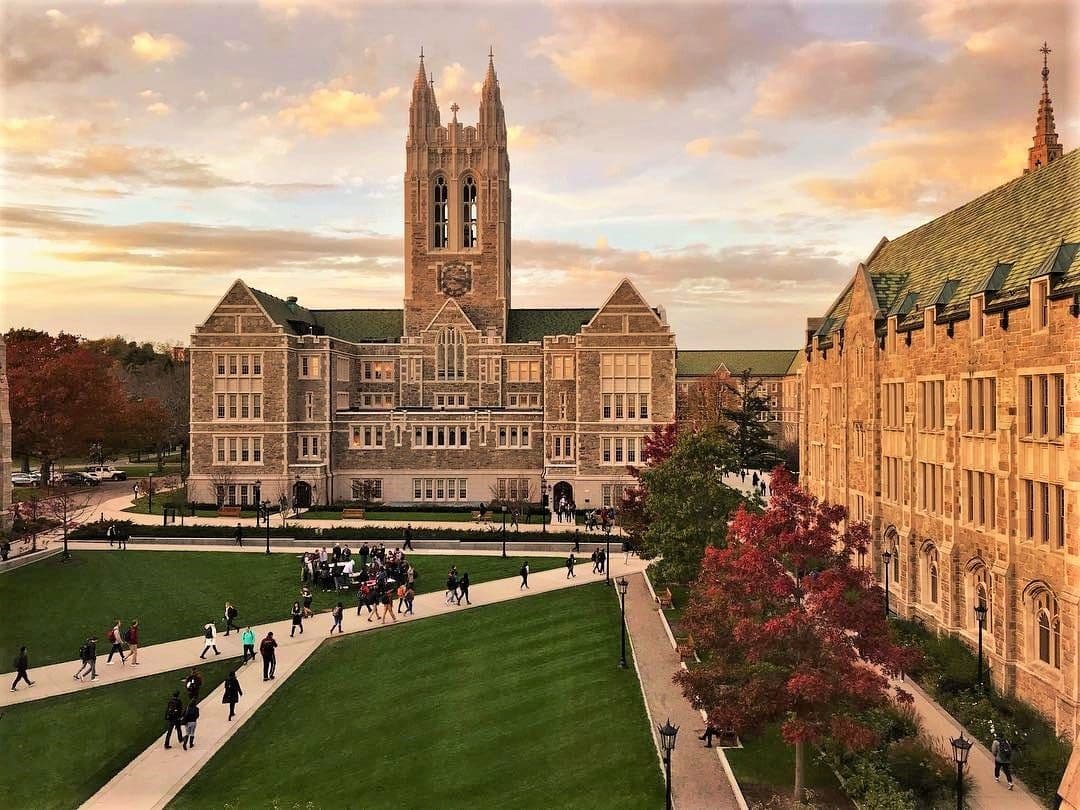
The Master of Arts in Mental Health Counseling at Boston College University offers a clinically focused and academically grounded education for students committed to understanding, supporting, and improving the psychological well-being of individuals and communities. The program blends counseling theory with therapeutic practice, providing a strong foundation in psychological assessment, diagnosis, intervention strategies, and ethical counseling approaches. Students explore how emotional, cognitive, and behavioral patterns interact, and they learn to apply evidence based techniques that promote mental health across a range of settings.
Through immersive coursework and supervised clinical experiences, learners are trained to support individuals facing anxiety, depression, trauma, relationship issues, and other mental health concerns. The curriculum emphasizes self-awareness, reflective practice, and cultural sensitivity, ensuring that students develop clinical competence and emotional intelligence. The program nurtures both theoretical understanding and practical skills, preparing graduates for licensure and long-term careers as compassionate and effective mental health professionals.
Semester 1
Semester 2
Semester 3
Semester 4
Graduates of this program are qualified for a wide range of roles in clinical, community, and institutional settings where mental health services are in demand. Many pursue careers as licensed mental health counselors, school-based therapists, community clinicians, or case managers, providing direct support to individuals and groups navigating emotional and psychological challenges. Employment opportunities exist in hospitals, outpatient clinics, residential treatment centers, non-profit organizations, and college counseling centers. The program’s emphasis on practical experience, ethical standards, and client centered care enables graduates to work confidently with diverse populations and contribute to interdisciplinary treatment teams. Additionally, those interested in further specialization or academic careers may pursue doctoral study in counseling psychology, clinical psychology, or related mental health fields. The strong clinical training and research foundation prepare graduates to meet licensure requirements and make meaningful contributions to mental health advocacy and support.
This program is designed for students seeking a deeply immersive and ethically grounded pathway into professional mental health counseling. Through a combination of classroom instruction, supervised practice, and individualized mentorship, learners acquire the skills needed to address complex client needs with empathy, cultural sensitivity, and clinical precision. The curriculum fosters strong therapeutic relationships, self-reflection, and the ability to work effectively in diverse environments, whether in private practice, schools, or healthcare institutions. Students gain access to real-world counseling experiences early in the program, allowing them to build confidence and refine their counseling style through meaningful interactions. By offering a curriculum shaped by comprehensive clinical training and personal development, the program prepares graduates to lead with compassion, resilience, and professional integrity in the evolving field of mental health care.
For further information, please contact the admissions office at:
Phone: +1 617 552 8000
Email: admissions@bostoncollege.edu
Address: University of Boston College, Chestnut Hill, MA 02467, United States
Bachelor of Science · Full-time · On Campus
Boston College
Chestnut Hill, United States
Master of Science · Full-time · On Campus
Boston College
Chestnut Hill, United States
Bachelor of Arts · Full-time · On Campus
Boston College
Chestnut Hill, United States
Bachelor of Arts · Full-time · On Campus
Boston College
Chestnut Hill, United States
