.png&w=640&q=75)
Middle Eastern Studies and Public Affairs
The Middle Eastern Studies and Public Affairs Master of Arts program at Texas University is a full-time, 2.5-year on-campus interdisciplinary degree that merges regional expertise with public policy training. Designed for students aiming to engage critically with the political, social, and economic dynamics of the Middle East, the program provides a solid foundation in comparative politics, international relations, public administration, and regional history. Through intensive coursework and language study, students gain the analytical and cultural tools needed to understand and influence policymaking in complex geopolitical environments.
Students work closely with faculty from both public affairs and area studies disciplines, exploring topics such as governance in the Middle East, conflict resolution, energy policy, and human rights advocacy. Language acquisition in Arabic, Turkish, Persian, or Hebrew is a central component of the program, supporting deep engagement with primary sources and local perspectives. The curriculum combines classroom learning with practical policy experiences, preparing graduates to operate at the intersection of global strategy, regional insight, and public service.
Key Facts
Key Facts
- Program Title: Middle Eastern Studies and Public Affairs
- Degree Type: Master of Arts
- Duration: 2,5 years
- Mode of Study: Full-time, On Campus
- Application Deadline: 01 March 2026
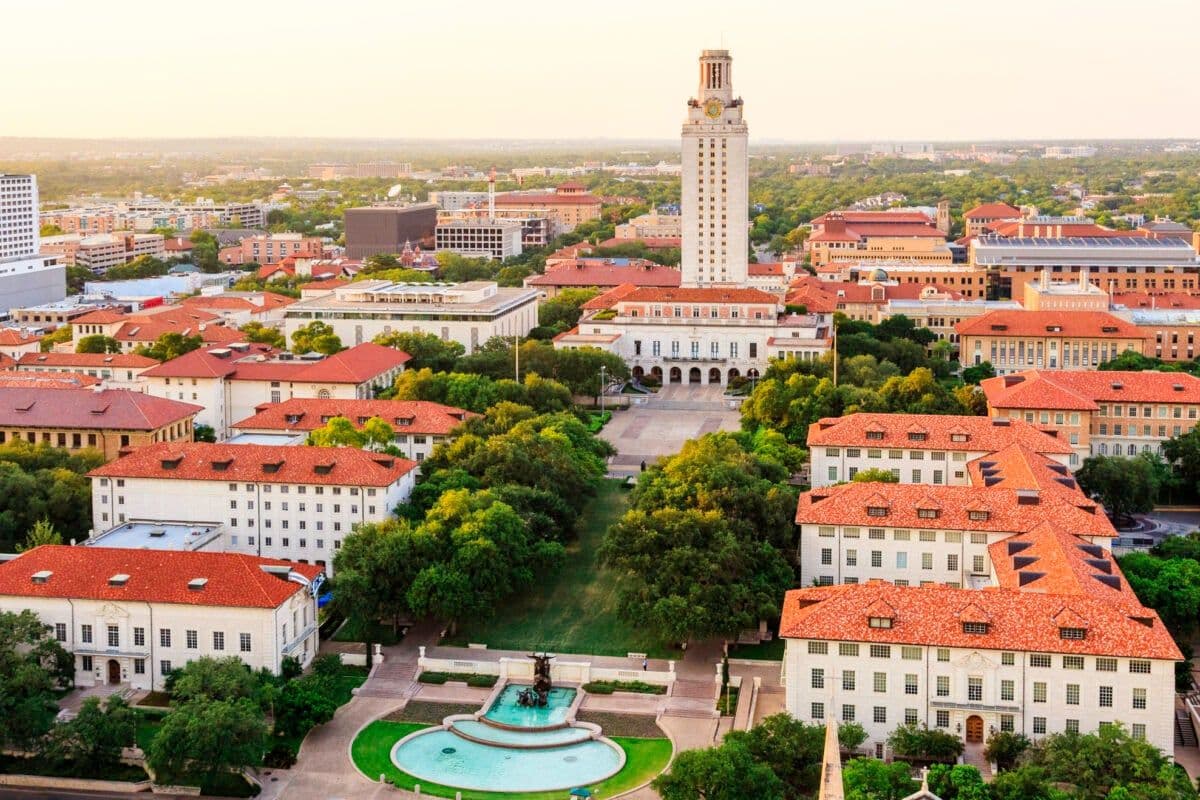
- Location: University of Texas at Austin, United States
- Field of Study: Public Policy
- Language of Instruction: English
Program Structure
Year 1 – Regional Foundations and Public Policy Basics
- Introduction to Middle Eastern Politics
- Public Policy and Administration
- Regional History and Social Change
- Language Study I (Arabic, Turkish, Persian, or Hebrew)
Year 2 – Comparative Analysis and Practical Tools
- International Relations of the Middle East
- Quantitative Methods for Policy Research
- Governance and Institutions in the MENA Region
- Language Study II and Regional Media Analysis
Semester 5 – Specialization and Final Integration
- Energy, Security, and Diplomacy in the Middle East
- Capstone Seminar in Public Policy
- Language Proficiency Evaluation
- Master's Thesis or Policy Research Project
Career Opportunities
Graduates of this program are highly equipped to pursue roles in foreign service, government agencies, policy think tanks, international NGOs, and multilateral organizations with a regional or diplomatic focus. Positions such as policy analyst, regional advisor, research fellow, intelligence analyst, and program officer are common pathways. Alumni contribute to crafting evidence-based policy, managing regional programs, and navigating complex sociopolitical landscapes across public, private, and nonprofit sectors. With in-depth regional knowledge, language proficiency, and formal training in policy analysis and implementation, they bring a rare and valuable perspective to global development, peacebuilding, and strategic affairs.
Why Choose This Program
This program offers a rare combination of regional expertise, policy application, and language fluency, enabling students to become thoughtful and effective leaders in global affairs. Texas University’s strong academic infrastructure, faculty specialization, and ties to international institutions provide unparalleled learning and networking opportunities. With its 2.5-year structure, the program allows for immersive study, applied research, and professional development. For those passionate about understanding the Middle East and influencing meaningful policy on issues like governance, migration, security, or social justice, this degree offers the rigorous training and interdisciplinary vision needed to make a lasting impact in both regional and global arenas.
Contact Information
For further information, please contact the admissions office at:
Phone: +1 (512) 471-3434
Email: gradadmissions@utexas.edu
Address: 110 Inner Campus Drive, Stop G1800, Austin, TX 78712, USA
