Molecular, Cellular, and Developmental Biology
The Bachelor of Science in Molecular, Cellular, and Developmental Biology at the University of Michigan provides an in depth program for students interested in understanding biological processes at the molecular and cellular levels. The curriculum emphasizes molecular biology, genetics, cell signaling, and developmental mechanisms, preparing students to explore how cells function, differentiate, and respond to environmental and genetic cues. Students engage in laboratory experiments, research projects, and hands on studies, developing skills necessary to analyze data, design experiments, and apply scientific concepts. This program cultivates both scientific expertise and analytical skills, equipping graduates for careers in biomedical research, biotechnology, and molecular biology applications.
Learners explore interdisciplinary connections between molecular biology, cell biology, genetics, and developmental studies. The curriculum offers opportunities for laboratory research, collaborative projects, and independent studies, allowing students to investigate cellular processes, developmental pathways, and molecular mechanisms. Through mentorship, lab work, and research experiences, students refine experimental techniques, data interpretation, and critical thinking skills. With a focus on cellular biology and applied research, the program prepares graduates to contribute to biomedical discovery, genetic research, and the advancement of molecular sciences.
Key Facts
Key Facts
- Program Title: Molecular, Cellular, and Developmental Biology
- Degree Type: Bachelor of Science
- Duration: 4 years
- Mode of Study: Full-time, On Campus
- Application Deadline: 01 February 2026
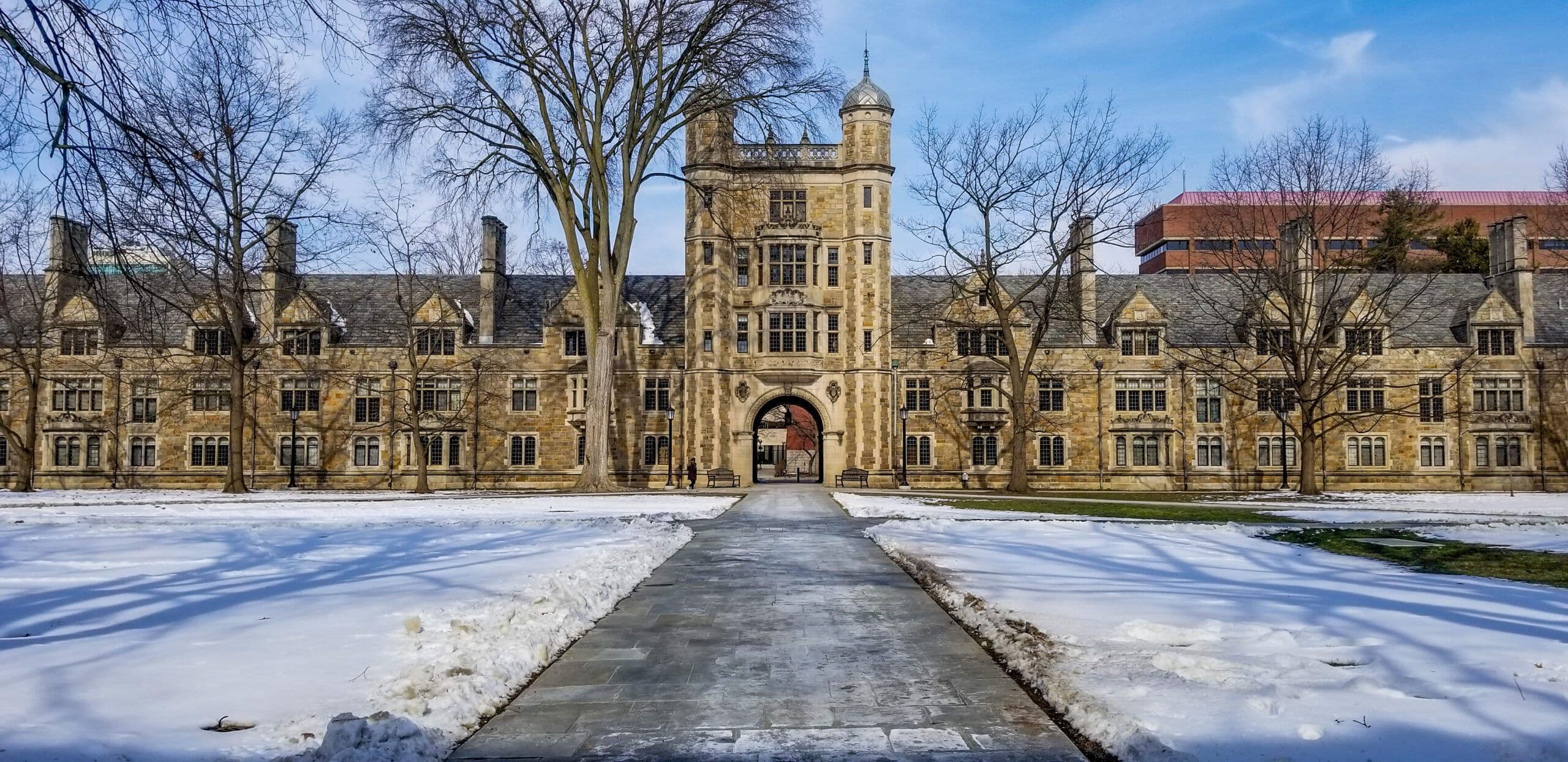
- Location: University of Michigan, United States
- Field of Study: Microbiology
- Language of Instruction: English
Program Structure
Year 1 - Foundations in Molecular and Cellular Biology
• Introduction to Molecular Biology
• General Biology I and II
• Chemistry for Life Sciences
• Introduction to Genetics
Year 2 - Core Molecular and Developmental Studies
• Cell Biology and Signaling
• Molecular Genetics
• Developmental Biology
• Biostatistics and Experimental Design
Year 3 - Applied Laboratory and Research Techniques
• Laboratory Methods in Molecular Biology
• Advanced Cell Biology
• Genomics and Proteomics
• Elective Modules in Specialized Topics
Year 4 - Capstone and Professional Integration
• Senior Research Project / Thesis
• Seminar in Molecular, Cellular, and Developmental Biology
• Internship or Applied Laboratory Experience
• Professional Skills and Portfolio Development
Career Opportunities
Graduates of this program acquire advanced research, laboratory, and analytical skills that prepare them for careers in molecular biology research, biotechnology, genetic counseling, biomedical research, and pharmaceutical development. They develop expertise in experimental design, molecular techniques, and data interpretation, enabling them to contribute to research initiatives, laboratory innovation, and applied science projects. The program also prepares graduates for roles in universities, research institutions, healthcare organizations, and private sector biotechnology companies, equipping them to apply scientific knowledge and critical thinking in professional contexts. Graduates leave ready to conduct research, implement innovative solutions, and advance molecular and cellular understanding.
Why Choose This Program
This program is ideal for students seeking a curriculum that integrates scientific expertise with hands on laboratory research, experimental analysis, and applied molecular biology, offering mentorship, collaborative projects, and research opportunities. Learners benefit from faculty guidance, intensive lab experiences, and interdisciplinary coursework that strengthen analytical, problem solving, and experimental skills. The curriculum emphasizes molecular mechanisms, cellular processes, and developmental biology, preparing graduates to investigate complex biological systems, design experiments, and contribute to biomedical innovation. With its focus on applied research and cellular biology, the program provides a dynamic academic environment for students aspiring to careers in molecular science, biotechnology, and biomedical research.
Contact Information
For further information, please contact the admissions office at:
Phone: 734-764-8129
Email: rackadmis@umich.edu
Address: Graduate Admissions Office, University of Michigan, Ann Arbor, MI 48109, USA
