.png&w=640&q=75)
Movement and Cognitive Rehabilitation Science
The Movement and Cognitive Rehabilitation Science program offers an intensive and interdisciplinary approach to understanding human cognition, motor function, and rehabilitation strategies. Over one year, students explore neurocognitive processes, movement science, therapeutic interventions, and evidence-based rehabilitation practices. The curriculum emphasizes analytical thinking, clinical reasoning, and applied research skills, enabling learners to design and implement effective rehabilitation programs for individuals with cognitive or motor impairments. Through seminars, laboratory work, and applied projects, students gain the knowledge necessary to advance rehabilitation science and improve patient outcomes in diverse clinical contexts.
Students also participate in hands-on clinical simulations, research studies, and interdisciplinary projects, fostering both practical and scientific expertise. Mentorship from experienced faculty supports skill development in cognitive assessment, movement analysis, and rehabilitation program design, preparing students to tackle complex challenges in clinical and research settings. By the end of the program, graduates leave with strong analytical, research, and applied skills, equipped to contribute effectively to clinical rehabilitation, cognitive therapy, and neuroscience research.
Key Facts
Key Facts
- Program Title: Movement and Cognitive Rehabilitation Science
- Degree Type: Master of Science
- Duration: 1 year
- Mode of Study: Full-time, On Campus
- Application Deadline: 01 December 2025
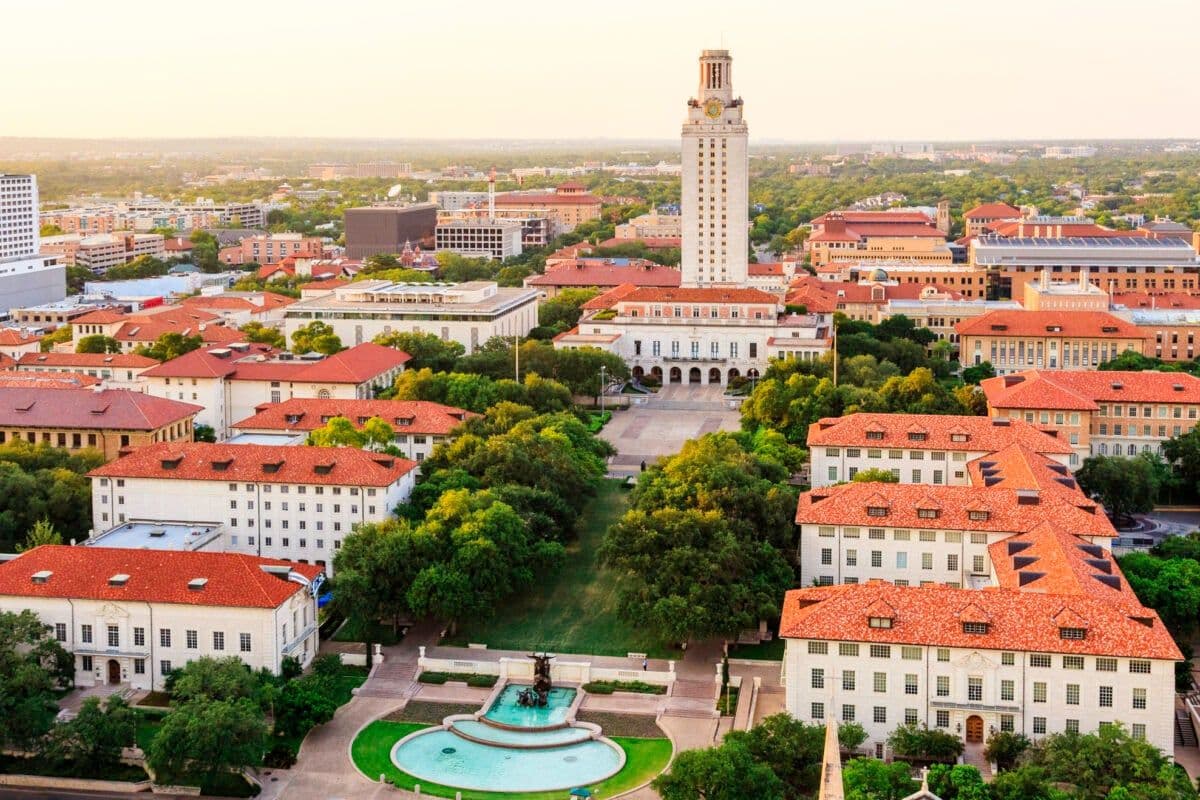
- Location: University of Texas at Austin, United States
- Field of Study: Cognitive Science
- Language of Instruction: English
Program Structure
Semester 1 – Foundations in Movement and Cognitive Science
- Introduction to Cognitive Neuroscience
- Principles of Movement Science
- Research Methods in Rehabilitation
- Seminar: Cognitive and Motor Function Analysis
Semester 2 – Advanced Rehabilitation & Applied Practice
- Therapeutic Interventions and Rehabilitation Techniques
- Neuroplasticity and Motor Learning
- Applied Research Project / Fieldwork
- Capstone: Cognitive and Movement Rehabilitation Strategies
Career Opportunities
Graduates are prepared for careers as rehabilitation specialists, cognitive therapists, movement analysts, clinical researchers, and healthcare consultants. They may work in hospitals, rehabilitation centers, research institutions, or private clinical practices. The program equips students with skills in assessment, therapeutic intervention, research, and program design, enabling them to improve patient care and contribute to advancements in rehabilitation science. Alumni often participate in clinical programs, cognitive therapy initiatives, and applied research projects. With practical and research expertise, graduates gain a distinctive advantage in cognitive rehabilitation, therapy, and neuroscience-related careers.
Why Choose This Program
This program is ideal for students seeking advanced training in cognitive rehabilitation and movement science with practical and research-based experience. The one-year structure allows learners to develop foundational and applied skills, engage in clinical simulations and fieldwork, and complete a capstone project under faculty mentorship. By participating in seminars, workshops, and applied research initiatives, students cultivate critical thinking, clinical reasoning, and professional competencies in rehabilitation science. The curriculum emphasizes evidence-based interventions, interdisciplinary problem-solving, and practical application, preparing graduates to make meaningful contributions to patient rehabilitation, therapy, and neuroscience research.
Contact Information
For further information, please contact the admissions office at:
Phone: +1 (512) 471-3434
Email: gradadmissions@utexas.edu
Address: 110 Inner Campus Drive, Stop G1800, Austin, TX 78712, USA
