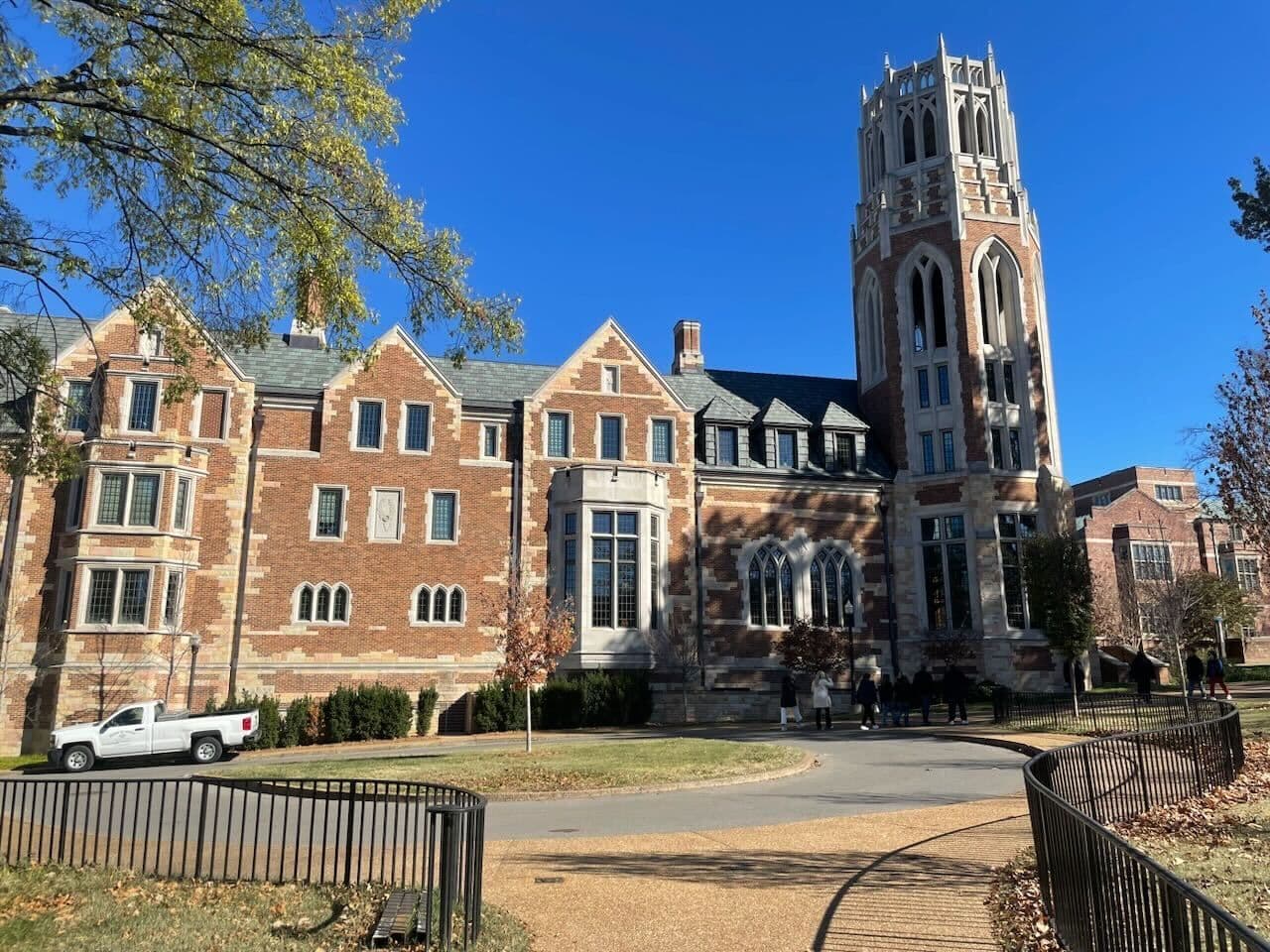

Music Integrated Studies and Teacher Education
The Music Integrated Studies and Teacher Education program at Vanderbilt University offers a unique and comprehensive academic experience that prepares students to become skilled musicians as well as certified music educators. Combining intensive musical training with rigorous coursework in educational theory and practice, the program allows students to cultivate both artistic excellence and pedagogical expertise. From developing advanced proficiency in voice or instrument to gaining experience in classroom management and curriculum design, learners graduate fully equipped to teach music across diverse age groups and school settings. The dual emphasis on musicianship and educational leadership makes this program ideal for students who are passionate about both performing and teaching.
Throughout the four-year program, students benefit from the resources of Vanderbilt’s renowned Blair School of Music and Peabody College of Education. The curriculum includes ensemble participation, private instruction, conducting, music history, and educational psychology, ensuring that students receive a well-rounded and practical foundation. Students also complete field experiences and student-teaching placements in local schools, applying their skills in real-world classrooms under the mentorship of certified professionals. By blending artistic creativity with educational strategy, the program fosters musical expression, instructional innovation, student-centered teaching, and professional readiness, setting graduates on a path toward successful and impactful careers in music education.
Key Facts
Key Facts
- Program Title: Music Integrated Studies and Teacher Education
- Degree Type: Bachelor of Music
- Duration: 4 years
- Mode of Study: Full-time, On Campus
- Application Deadline: 01 January 2026
- Location: Vanderbilt University, United States
- Field of Study: Education
- Language of Instruction: English
Program Structure
Year 1 – Musicianship and Educational Foundations
• Music Theory and Aural Skills I
• Applied Lessons (Instrument or Voice)
• Introduction to Music Education
• Fundamentals of Teaching and Learning
Year 2 – Intermediate Practice and Pedagogical Development
• Music Theory and Aural Skills II
• Ensemble Participation (Choir, Band, or Orchestra)
• Psychology of Music Learning
• Classroom Observation and Field Experience
Year 3 – Methods and Specialization in Teaching
• Instrumental or Vocal Methods
• Conducting Techniques
• Music History and Repertoire
• Curriculum Design in Music Education
Year 4 – Teaching Residency and Professional Practice
• Student Teaching Placement in K–12 Schools
• Classroom Management and Educational Assessment
• Seminar in Music Education Practice
• Capstone Teaching Portfolio
Career Opportunities
Graduates of the Music Integrated Studies and Teacher Education program are prepared to take on a wide range of roles in music instruction, both within traditional school systems and beyond. Most directly, alumni pursue careers as K–12 music teachers, instructing general music, band, choir, or orchestra in elementary, middle, or high schools. With certification and classroom experience already included in the program, graduates can enter the education field immediately, equipped with the teaching credentials, practical skills, and confidence to lead their own classrooms. In addition to working in public and private schools, many graduates find roles in community music programs, youth arts organizations, and performing arts education centers, where they design and deliver music programs tailored to different age groups and learning styles. Others take on administrative or leadership positions in arts education, or become curriculum developers for music teaching materials. A number of graduates also combine teaching with professional performance or pursue advanced degrees in music education, conducting, or educational leadership, expanding their qualifications for collegiate teaching, policy development, or mentorship roles. With their grounding in both musical performance and evidence-based teaching practices, graduates are well-positioned to shape the future of music education through their creativity, expertise, and dedication to student growth.
Why Choose This Program
Choosing the Music Integrated Studies and Teacher Education program at Vanderbilt means gaining access to an education that values both artistic mastery and educational impact. The program is built around the belief that music educators must be not only strong musicians but also skilled teachers, and it offers an integrated curriculum that supports both of these goals equally. Students learn from distinguished faculty in both the Blair School of Music and Peabody College, working in an environment that encourages creative expression, pedagogical exploration, educational innovation, and community engagement. The program’s structure includes real teaching experiences in local schools, providing hands-on preparation that goes far beyond theoretical knowledge. With small class sizes, personalized instruction, and a strong support system, students are guided through every stage of their professional journey. Additionally, Vanderbilt’s reputation and network open doors to exceptional teaching placements, graduate opportunities, and career advancement. For students who are passionate about sharing their love of music with future generations, this program offers the ideal foundation for building a career that is both artistically fulfilling and socially meaningful.
Contact Information
For further information, please contact the admissions office at:
Phone: (615) 322-2561
Email: admissions@vanderbilt.edu
Address: University of Vanderbilt, Office of Undergraduate Admissions, 2305 West End Avenue, Nashville, TN 37203‑1727, United States
