
Music, Science, and Technology
The Master of Arts in Electronics & Embedded Technology within the field of Music, Science, and Technology is designed to equip students with the skills to develop, integrate, and optimize electronic systems for creative and technical applications. The program blends theoretical foundations in electronics, signal processing, and embedded systems with practical projects that emphasize real-world problem solving. Students gain hands-on experience in designing circuits, programming embedded devices, and implementing innovative technology solutions for music and media environments. This interdisciplinary approach ensures that graduates are prepared to bridge the gap between technical innovation and artistic application.
Throughout the program, students explore advanced topics such as digital audio processing, interactive systems, and hardware-software integration, while also developing critical thinking and project management skills. Collaborative workshops and research projects encourage students to experiment with emerging technologies, pushing the boundaries of music and electronic innovation. By the end of the program, graduates possess the technical expertise, creative insight, and practical experience required to contribute to highly specialized technology roles in both industrial and artistic contexts.
Key Facts
Key Facts
- Program Title: Music, Science, and Technology
- Degree Type: Master of Arts
- Duration: 2 years
- Mode of Study: Full-time, On Campus
- Application Deadline: 10 December 2025
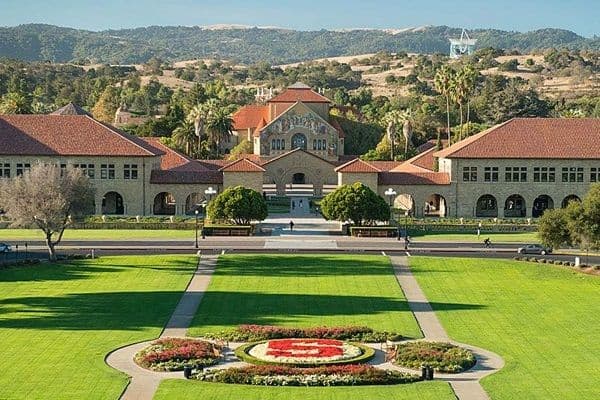
- Location: Stanford University, United States
- Field of Study: Electronics & Embedded Technology
- Language of Instruction: English
Program Structure
Semester 1 – Foundations of Electronics & Embedded Systems
- Introduction to Electronics and Circuit Design
- Fundamentals of Embedded Programming
- Digital Signal Processing
- Music Technology Fundamentals
Semester 2 – Advanced System Design & Integration
- Embedded Systems for Interactive Applications
- Audio Signal Processing and Synthesis
- Microcontroller and FPGA Programming
- Human-Computer Interaction in Music Technology
Semester 3 – Applied Projects & Specialization
- Advanced Embedded Audio Systems
- Real-Time Systems and Hardware Optimization
- Project / Internship in Electronics or Music Technology
- Elective Modules in Acoustics, Software Development, or Interactive Media
Semester 4 – Master’s Thesis & Capstone Project
- Independent Research / Thesis
- Integrated System Design and Evaluation
- Presentation of Findings & Professional Portfolio
- Capstone Project in Electronics & Embedded Technology
Career Opportunities
Graduates of this program are prepared for a diverse range of careers at the intersection of technology, electronics, and creative industries. Common roles include embedded systems engineer, audio systems designer, hardware developer, interactive media technologist, and research engineer. Graduates can also pursue positions in music technology companies, electronic manufacturing, software development, or interdisciplinary research labs. The combination of technical expertise and creative problem-solving ensures that alumni are capable of developing innovative solutions, optimizing complex systems, and contributing to cutting-edge projects. Strong project management and collaboration skills also enable graduates to thrive in team-based environments, leading initiatives that integrate electronics, software, and artistic expression.
Why Choose This Program
This program provides a comprehensive foundation in both electronics and creative technology, giving students the technical knowledge and practical experience needed to innovate in emerging fields. With hands-on labs, real-world projects, and interdisciplinary coursework, students develop skills in embedded programming, digital signal processing, and system integration while applying them to music and media applications. The curriculum encourages experimentation and creative problem-solving, preparing graduates to lead in technology-driven environments. By choosing this program, students gain a unique combination of technical mastery, artistic insight, and professional readiness, ensuring they are well-positioned to contribute to innovative projects and pursue a wide array of career opportunities in both industrial and creative sectors.
Contact Information
For further information, please contact the admissions office at:
Phone: +1 650 000 0000
Email: admissions@standord.edu
Address: University of Standord, 450 Serra Mall, Stanford, CA 94305, United States
