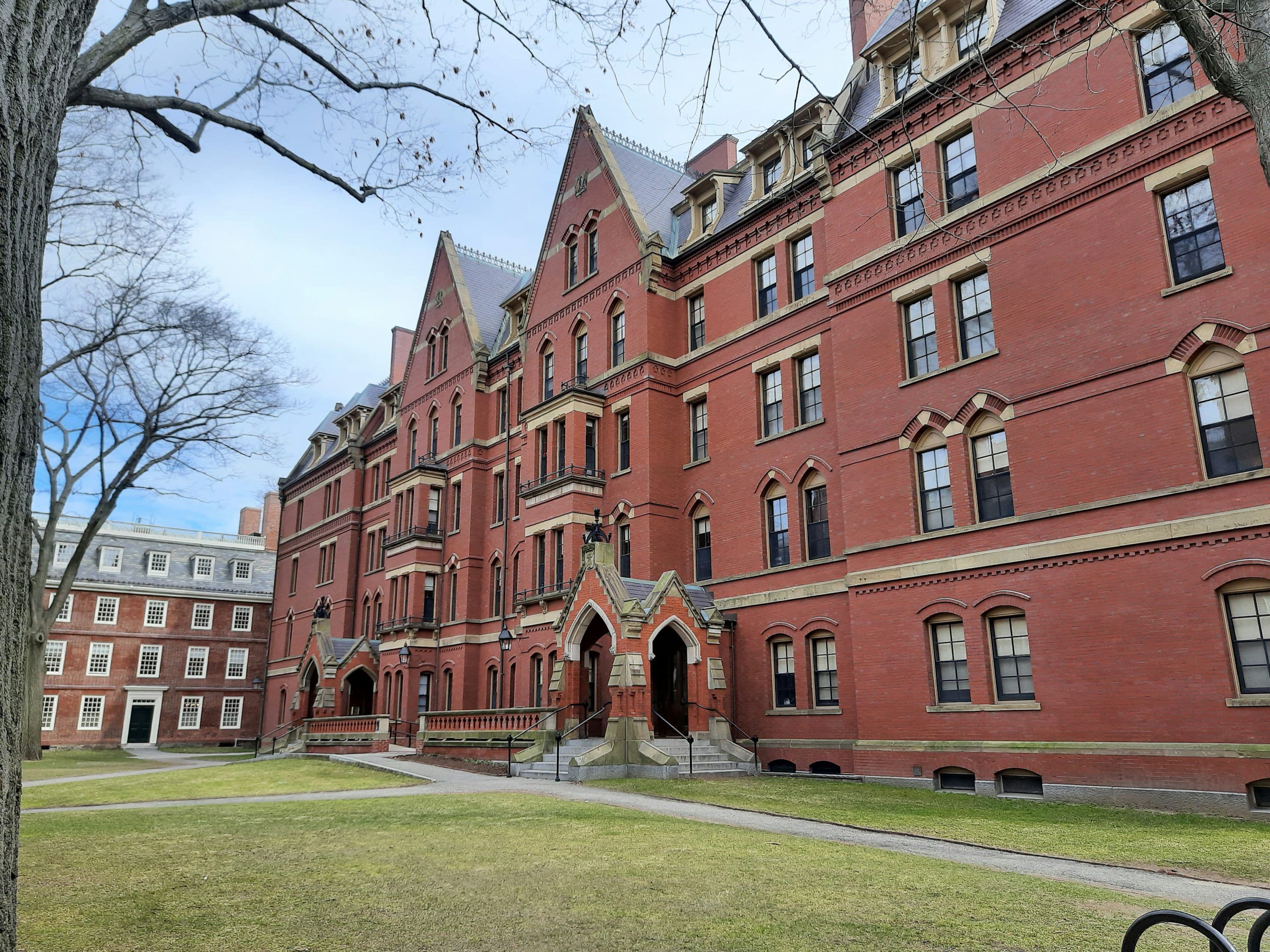

Near Eastern Languages and Civilizations
The Near Eastern Languages and Civilizations program offers a focused academic environment where students explore the linguistic, cultural, and historical foundations of the Near East. Through intensive study of primary sources, language instruction, and cultural theory, learners develop a deeper understanding of how ancient and modern societies in this region have shaped global intellectual traditions. The curriculum blends methodologies from linguistics, history, and cultural studies, encouraging students to engage with textual analysis, cultural interpretation, historical inquiry, and interdisciplinary research in a balanced and academically rigorous manner.
This one-year program is ideal for individuals seeking a structured yet immersive introduction to the civilizations of the Near East. Students work closely with faculty experts to investigate literary traditions, religious developments, and social transformations across different historical periods. The academic structure supports both theoretical learning and practical engagement with linguistic materials, enabling learners to build competencies that support further graduate study or professional specialization. Throughout the program, students refine their abilities in critical thinking, contextual analysis, research methodology, and source evaluation, forming a strong intellectual foundation in area and cultural studies.
Key Facts
Key Facts
- Program Title: Near Eastern Languages and Civilizations
- Degree Type: Master of Arts
- Duration: 1 year
- Mode of Study: Full-time, On Campus
- Application Deadline: 15 December 2025
- Location: Harvard University, United States
- Field of Study: Area & Cultural Studies
- Language of Instruction: English
Program Structure
• Semester 1 – Foundations in Near Eastern Languages and Cultural Contexts
Introduction to Near Eastern Civilizations
Elementary or Intermediate Language Study
History and Society of the Ancient Near East
Research Methods in Area and Cultural Studies
• Semester 2 – Applied Analysis and Regional Specialization
Advanced Language Practice
Literary and Cultural Traditions of the Near East
Religion, Society, and Intellectual History
Seminar: Texts, Material Culture, and Interpretation
Career Opportunities
Graduates of this program are prepared for roles that require strong analytical skills, cultural awareness, and the ability to interpret historical and linguistic material with precision. Many pursue careers in cultural research, museum studies, education, and archival work, where knowledge of Near Eastern traditions provides valuable insight into global cultural development. The program also supports pathways into nonprofit organizations, cultural foundations, academic institutions, and translation-related fields that rely on an understanding of historical context and cross-cultural communication. Equipped with the ability to analyze primary sources and engage with complex cultural narratives, graduates can contribute to initiatives that preserve heritage, support educational programming, and foster informed public dialogue. This multidisciplinary background also offers a strong foundation for students planning to continue into doctoral studies or specialized research roles related to Near Eastern cultures.
Why Choose This Program
This program offers a rigorous introduction to the languages and cultural histories of the Near East, providing students with opportunities to deepen their expertise through a combination of textual study, linguistic training, and historical interpretation. Learners develop essential skills in critical analysis, cultural research, language mastery, and interpretive methodology, enabling them to approach regional materials with both academic depth and practical insight. The curriculum encourages independent inquiry, close reading of primary sources, and engagement with scholarly debates that shape the field of Near Eastern studies today. For students seeking an intensive yet balanced academic experience that prepares them for advanced academic work or culturally oriented professional roles, this program provides a comprehensive foundation and a meaningful entry point into the study of one of the world’s most influential regions.
Contact Information
For further information, please contact the admissions office at:
Phone: +1 617 495 1000
Email: admissions@harvard.edu
Address: University of Harvard, Cambridge, MA 02138, United States
