Negotiation and Conflict Resolution
The Negotiation and Conflict Resolution Master of Science program at Columbia University is designed for students and professionals who aim to understand and manage conflict effectively in various organizational, international, and interpersonal settings. Over the course of 1.5 years, students gain theoretical and practical knowledge in negotiation dynamics, mediation strategies, and dispute resolution frameworks. The curriculum blends psychological, cultural, and structural approaches to conflict, encouraging students to develop actionable skills grounded in academic rigor.
Participants work through real-world case studies, simulations, and reflective practices that enhance their ability to diagnose conflict, design appropriate interventions, and lead conversations toward consensus. With faculty drawn from fields like law, business, and international affairs, the program fosters an interdisciplinary perspective. Whether in corporate teams, NGOs, or policy arenas, students learn to navigate complex tensions with a balance of emotional intelligence and strategic thinking. The program culminates in a capstone project that applies theory to practice through applied research or consulting work.
Key Facts
Key Facts
- Program Title: Negotiation and Conflict Resolution
- Degree Type: Master of Science
- Duration: 1,5 years
- Mode of Study: Full-time, On Campus
- Application Deadline: 01 May 2026
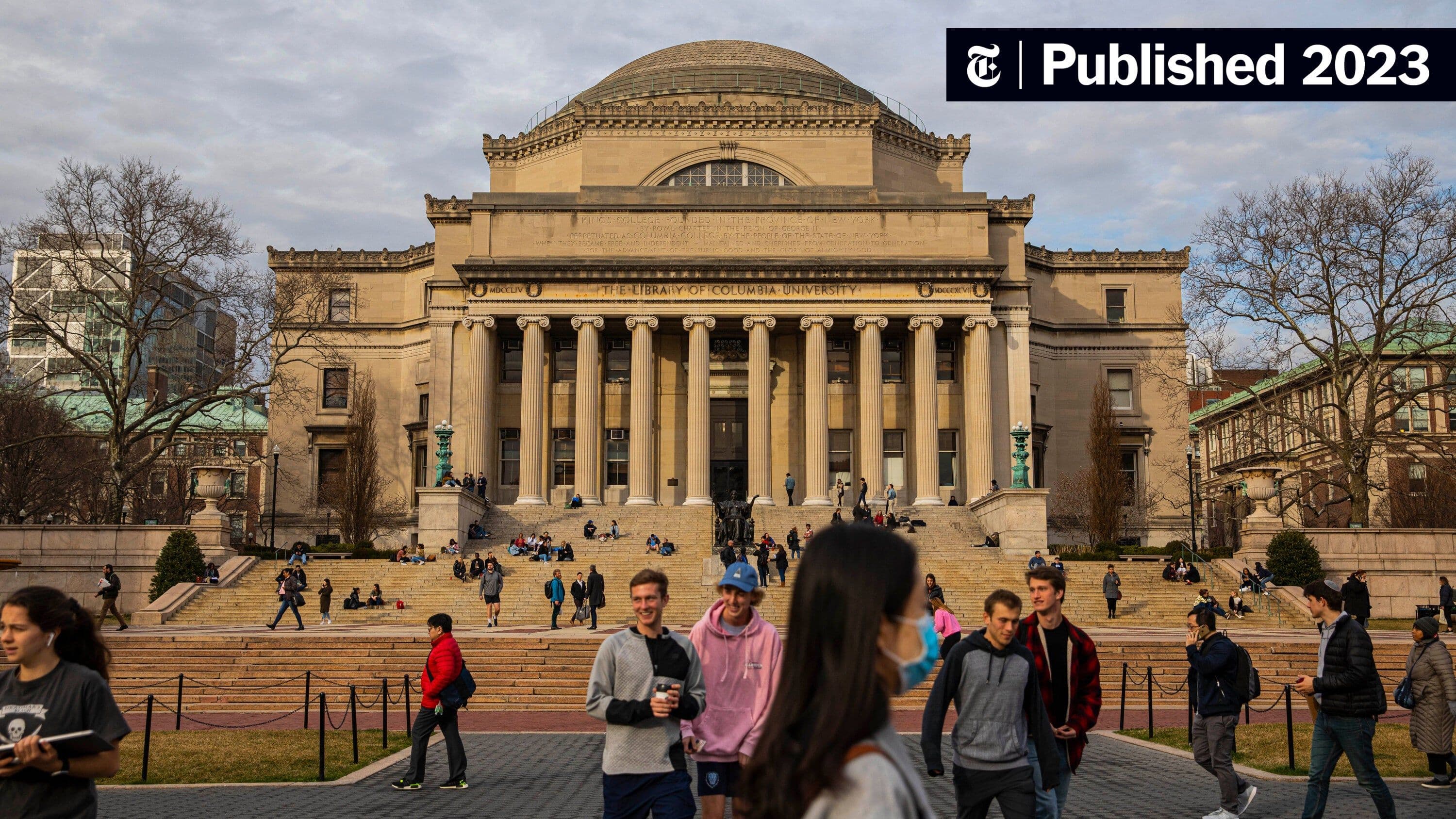
- Location: Columbia University, United States
- Field of Study: Organisational Behaviour
- Language of Instruction: English
Program Structure
Semester 1 – Core Principles and Frameworks
- Introduction to Conflict Resolution Theory
- Communication and Negotiation Essentials
- Cross-Cultural Competence and Diversity in Conflict
- Conflict Analysis and Assessment
Semester 2 – Advanced Practice and Intervention Design
- Mediation and Facilitation Techniques
- Organizational Conflict Systems Design
- Ethics in Negotiation and Conflict Management
- Applied Research Methods
Semester 3 – Integration and Capstone Work
- Capstone Project Seminar
- Strategic Conflict Resolution Applications
- Elective in International Negotiation or Public Policy
- Leadership and Change Management
Career Opportunities
Graduates of this program are equipped to take on influential roles in human resources, international development, nonprofit management, and governmental institutions. Many work as conflict resolution specialists, negotiation consultants, mediators, or organizational development advisors. Others serve in peacebuilding organizations, corporate training programs, or legal advocacy teams, where conflict sensitivity and resolution strategy are essential. The blend of analytical, interpersonal, and leadership skills developed in the program opens pathways across sectors that require high-stakes communication, strategic planning, and crisis management.
Why Choose This Program
This program is ideal for individuals who want to transform conflict into opportunity through structured negotiation, empathetic leadership, and evidence-based strategies. Columbia University provides a deeply collaborative environment where theory meets practice, guided by expert faculty and real-world case applications. The program’s flexible structure allows students to focus on specific sectors or types of conflict, offering direct relevance to personal and professional goals. With access to New York City’s diverse institutional landscape and Columbia’s global network, graduates gain both the vision and the tools to lead sustainable change in complex social systems.
Contact Information
For further information, please contact the admissions office at:
Phone: +1 212 854 1754
Email: admissions@columbia.edu
Address: University of Columbia, Admissions Office, New York, NY, United States
