
Neuroscience
The Neuroscience program provides a comprehensive undergraduate education exploring the structure, function, and development of the nervous system. Over four years, students examine cellular and molecular neuroscience, cognitive processes, and neural circuitry, developing essential skills in critical thinking, data analysis, research methodology, and scientific communication. The curriculum integrates biology, psychology, and chemistry, providing a multidisciplinary understanding of brain function and its impact on behavior and health.
Students engage in lectures, laboratory experiments, and research projects that foster hands-on experience with experimental design, data collection, and analysis. The program emphasizes both theoretical knowledge and practical application, enabling learners to investigate neurological systems and cognitive functions effectively. Throughout the four-year structure, students refine competencies in experimental techniques, problem-solving, statistical analysis, and scientific reasoning, preparing them for careers in neuroscience research, healthcare, or advanced study in related fields.
Key Facts
Key Facts
- Program Title: Neuroscience
- Degree Type: Bachelor of Arts
- Duration: 4 years
- Mode of Study: Full-time, On Campus
- Application Deadline: 01 January 2026
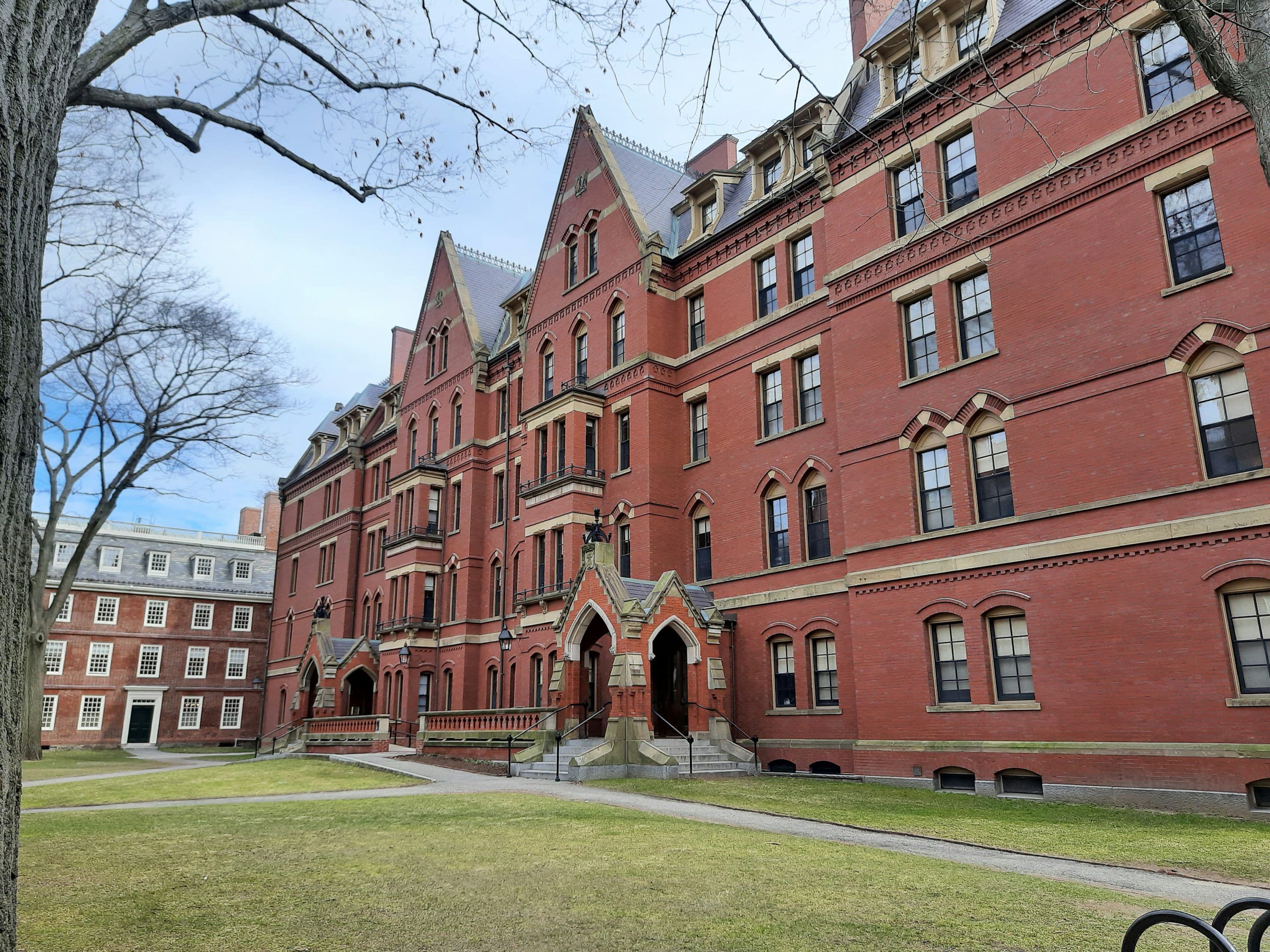
- Location: Harvard University, United States
- Field of Study: Neuroscience
- Language of Instruction: English
Program Structure
• Year 1 – Foundations in Neuroscience
- Introduction to Neuroscience and Brain Function
- Fundamentals of Biology and Chemistry
- Principles of Psychology and Cognition
- Seminar: Scientific Inquiry and Critical Thinking
• Year 2 – Core Neuroscience Studies
- Cellular and Molecular Neuroscience
- Neuroanatomy and Physiology
- Behavioral Neuroscience
- Research Methods and Data Analysis
• Year 3 – Advanced Topics and Specialization
- Cognitive Neuroscience and Neuropsychology
- Neural Systems and Signaling
- Applied Research Project
- Electives in Computational Neuroscience or Neurobiology
• Year 4 – Capstone and Professional Preparation
- Senior Thesis or Independent Research Project
- Advanced Electives in Specialized Neuroscience Topics
- Professional Skills and Career Planning
- Capstone Seminar and Presentation
Career Opportunities
Graduates of this program are prepared for careers in research, healthcare, pharmaceuticals, and neurotechnology, where analytical and scientific skills are critical. Career paths include laboratory research, clinical research coordination, neuroscience education, or roles in biotechnology and medical industries. The program equips students to conduct experiments, analyze complex data, and communicate findings effectively, making them valuable contributors to scientific and medical fields. Additionally, graduates are well-prepared to pursue advanced studies in neuroscience, medicine, psychology, or related disciplines, enhancing their expertise and career opportunities.
Why Choose This Program
This program is ideal for students seeking a rigorous education in brain science, behavior, and neurological systems. Learners develop competencies in research methodology, critical analysis, data interpretation, and scientific reasoning, enabling them to investigate complex questions in neuroscience with precision. The curriculum emphasizes laboratory experience, independent research, and interdisciplinary learning, ensuring students graduate with skills applicable to research, healthcare, and professional or academic pathways. By integrating theory, practice, and analytical training, the program provides a strong foundation for careers or advanced studies in neuroscience and related fields.
Contact Information
For further information, please contact the admissions office at:
Phone: +1 617 495 1000
Email: admissions@harvard.edu
Address: University of Harvard, Cambridge, MA 02138, United States
