Painting
The Painting program is a three-year full-time pathway designed for artists and creative professionals seeking advanced expertise in visual expression, technical skill, and conceptual development. Across three years, participants explore contemporary and traditional painting techniques, color theory, composition, and interdisciplinary studio practices. The curriculum emphasizes the integration of practical studio work with theoretical and historical perspectives, allowing students to develop a distinctive artistic voice while engaging critically with visual culture. Through studio practice, critiques, and collaborative projects, participants develop technical mastery, creative problem-solving, conceptual thinking, and professional presentation skills, preparing them for careers in galleries, museums, teaching, or independent artistic practice.
The program also focuses on applied research, exhibition practice, and professional development. Students collaborate closely with faculty mentors, participate in critiques, and complete projects that connect studio practice with art theory and contemporary artistic discourse. This immersive learning environment strengthens skills in visual experimentation, portfolio development, artistic communication, and professional presentation. Graduates leave the program prepared to exhibit work professionally, pursue doctoral studies, teach in art institutions, or develop independent artistic projects, positioning them for success in diverse visual arts careers.
Key Facts
Key Facts
- Program Title: Painting
- Degree Type: Master of Arts
- Duration: 3 years
- Mode of Study: Full-time, On Campus
- Application Deadline: 13 December 2025
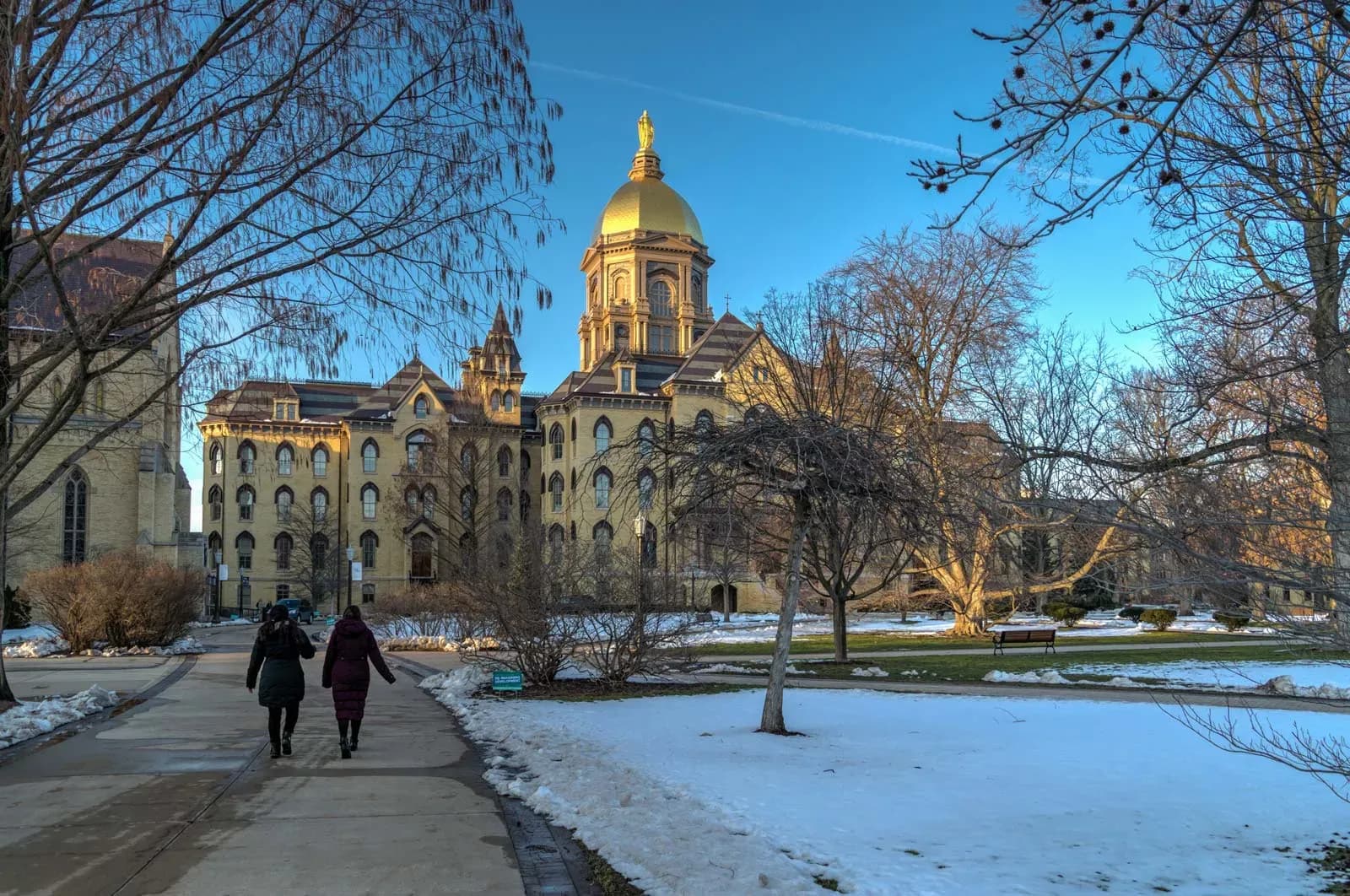
- Location: University of Notre Dame, United States
- Field of Study: Design
- Language of Instruction: English
Program Structure
Year 1 - Foundations in Painting
• Drawing and Visual Composition
• Introduction to Painting Techniques
• Color Theory and Material Studies
• Art History and Critical Perspectives
Year 2 - Intermediate Studio Practice
• Advanced Painting Techniques
• Interdisciplinary Art Practices
• Curatorial Studies and Exhibition Design
• Applied Studio Project / Collaborative Work
Year 3 - Specialization and Capstone Project
• Independent Studio Practice
• Professional Portfolio Development
• Capstone Exhibition / Thesis Project
• Elective Modules in Contemporary Art or Theory
Career Opportunities
Graduates of this program are prepared for careers where advanced artistic skills, conceptual development, and professional practice are essential. Potential career paths include professional painter, curator, art educator, gallery manager, and visual arts consultant, where graduates apply technical proficiency, creative thinking, and problem-solving to create, present, and manage artistic projects. The program equips students to exhibit work, lead art initiatives, teach in educational settings, and develop independent or collaborative projects. Graduates are also positioned for doctoral studies, leadership roles in galleries or museums, or entrepreneurial ventures in the creative sector, providing a broad range of opportunities in the visual arts.
Why Choose This Program
This program provides a comprehensive and applied approach to painting techniques, visual arts practice, interdisciplinary exploration, artistic research, and professional portfolio development. Participants benefit from mentorship by experienced artists, studio critiques, and applied projects that connect hands-on creation with theoretical and historical perspectives. The curriculum emphasizes critical thinking, creative experimentation, and professional presentation, preparing graduates to develop a distinctive artistic style, lead projects, and succeed in diverse creative environments. Through immersive studio work, exhibition practice, and professional guidance, students gain the expertise, confidence, and artistic competence necessary to excel in careers in painting and the broader visual arts field.
Contact Information
For further information, please contact the admissions office at:
Phone: +1 574 631 5000
Email: admissions@nd.edu
Address: University of Notre Dame, Notre Dame, IN 46556, United States
