Pharmacology
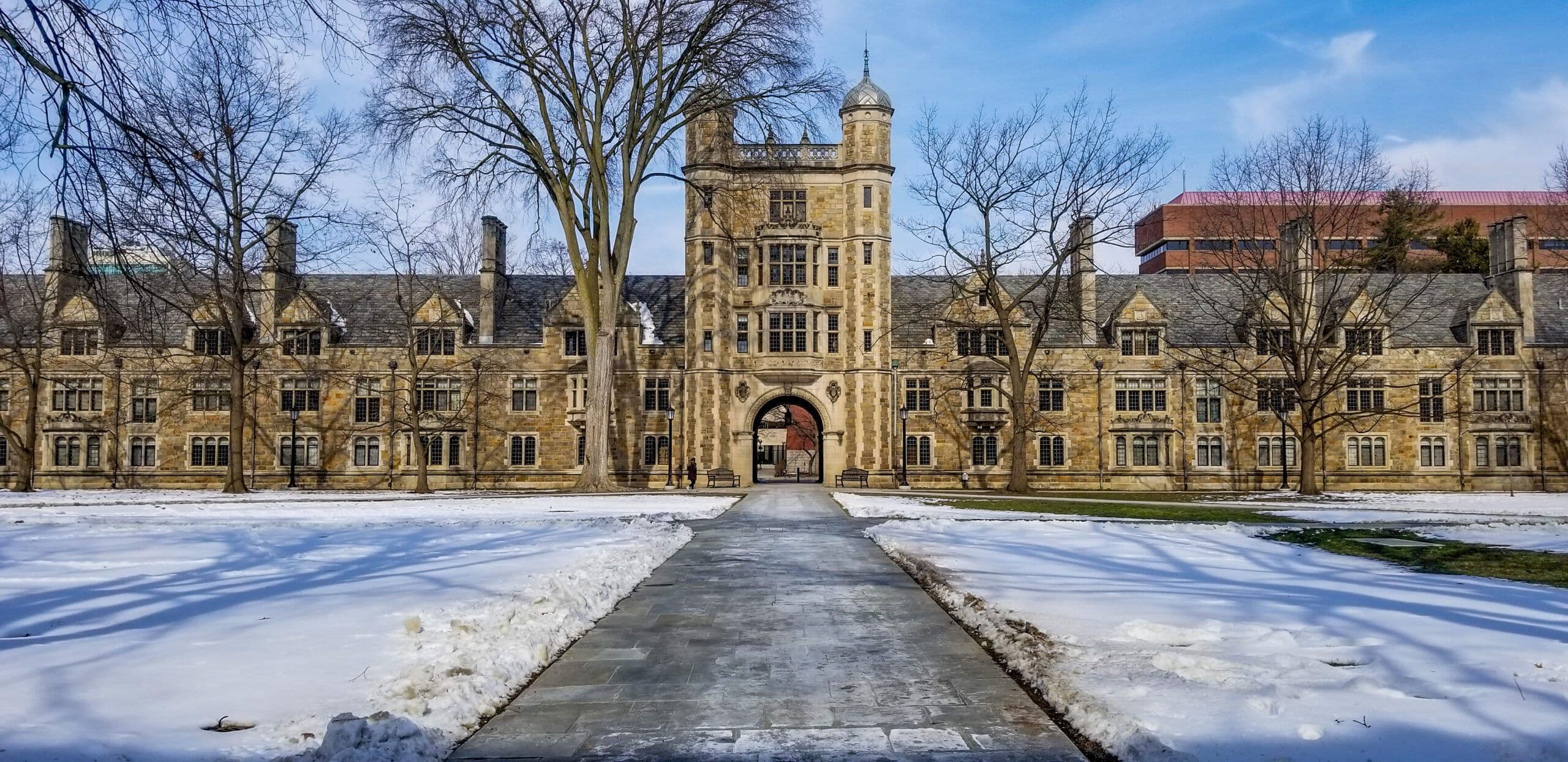
The Master of Science in Pharmacology at the University of Michigan provides an intensive program for students seeking advanced knowledge in drug action, molecular mechanisms, and therapeutic development. The curriculum emphasizes pharmacokinetics, pharmacodynamics, molecular biology, and experimental design, preparing students to conduct research in pharmaceutical sciences and biomedical applications. Students engage in laboratory experimentation, data analysis, and applied research projects, developing the skills necessary to investigate drug efficacy, safety, and mechanisms of action. This program cultivates both research proficiency and scientific expertise, equipping graduates to excel in academic, clinical, or industrial research settings.
Learners participate in a rigorous academic environment where theoretical knowledge and experimental practice are closely integrated. The curriculum provides opportunities for applied laboratory work, interdisciplinary collaboration, and advanced research in pharmacology and therapeutics. Through mentorship, seminars, and independent projects, students develop analytical, problem solving, and critical thinking skills essential for scientific investigation. With a focus on practical application and evidence based research, the program prepares graduates to contribute to the development of new drugs, therapies, and pharmaceutical innovations.
Key Facts
Key Facts
- Program Title: Pharmacology
- Degree Type: Master of Science
- Duration: 1 year
- Mode of Study: Full-time, On Campus
- Application Deadline: 01 April 2026
- Location: University of Michigan, United States
- Field of Study: Pharmacology
- Language of Instruction: English
Program Structure
Semester 1 - Foundations in Pharmacology
• Principles of Pharmacology
• Molecular and Cellular Mechanisms of Drugs
• Biostatistics for Biomedical Research
• Laboratory Techniques in Pharmacology
Semester 2 - Advanced Research and Therapeutics
• Drug Development and Clinical Pharmacology
• Advanced Molecular Pharmacology
• Elective in Specialized Pharmacological Topics
• Master’s Thesis or Research Project
Career Opportunities
Graduates of this program gain advanced research, analytical, and technical skills that prepare them for careers in pharmaceutical research, clinical trials, biomedical research, and drug development industries. They acquire expertise in experimental design, data analysis, and mechanistic studies, enabling them to investigate drug interactions, efficacy, and safety. The program also supports roles in regulatory affairs, pharmacovigilance, biotechnology, and academic research. Graduates leave equipped to lead laboratory research, contribute to innovative therapeutic development, and advance the understanding of drug action in complex biological systems.
Why Choose This Program
This program is ideal for students seeking a curriculum that integrates molecular pharmacology with applied research, offering opportunities for hands on laboratory work, mentorship, and independent projects. Learners benefit from faculty expertise, interdisciplinary collaboration, and applied experimental training that strengthen analytical, problem solving, and research skills. The curriculum encourages evidence based investigation, innovation, and professional development, preparing graduates to address complex pharmacological challenges and contribute to therapeutic advancements. With its focus on research excellence and practical proficiency, the program provides a rigorous academic environment for students aiming to pursue impactful careers in pharmacology and biomedical sciences.
Contact Information
For further information, please contact the admissions office at:
Phone: 734-764-8129
Email: rackadmis@umich.edu
Address: Graduate Admissions Office, University of Michigan, Ann Arbor, MI 48109, USA
