
Philosophy
The Philosophy program offers students a rigorous and intellectually expansive education in critical thinking, argumentation, and ethical reflection. It explores the foundational questions that have shaped human thought for centuries—questions about existence, knowledge, morality, and meaning—through close study of both classical and contemporary texts. Students engage with key figures and schools of thought from ancient to modern times, while also developing the tools to analyze and construct arguments with clarity and precision. The program emphasizes logical reasoning, interpretive skill, and philosophical inquiry, preparing learners to examine complex issues with both depth and nuance.
In addition to its historical breadth, the program encourages students to explore philosophy’s relevance to contemporary debates in science, law, politics, religion, and the arts. Through seminars, independent research, and interdisciplinary electives, students build a flexible yet rigorous academic path that promotes intellectual independence and ethical awareness. Faculty mentorship and a discussion-based learning environment create space for students to question assumptions, articulate positions, and respond to challenging ideas with openness and critical thought. The program also supports those interested in exploring the intersections of philosophy with cognitive science, language, and public life—giving learners the tools to understand, critique, and shape the world around them.
Key Facts
Key Facts
- Program Title: Philosophy
- Degree Type: Bachelor of Arts
- Duration: 4 years
- Mode of Study: Full-time, On Campus
- Application Deadline: 02 January 2026
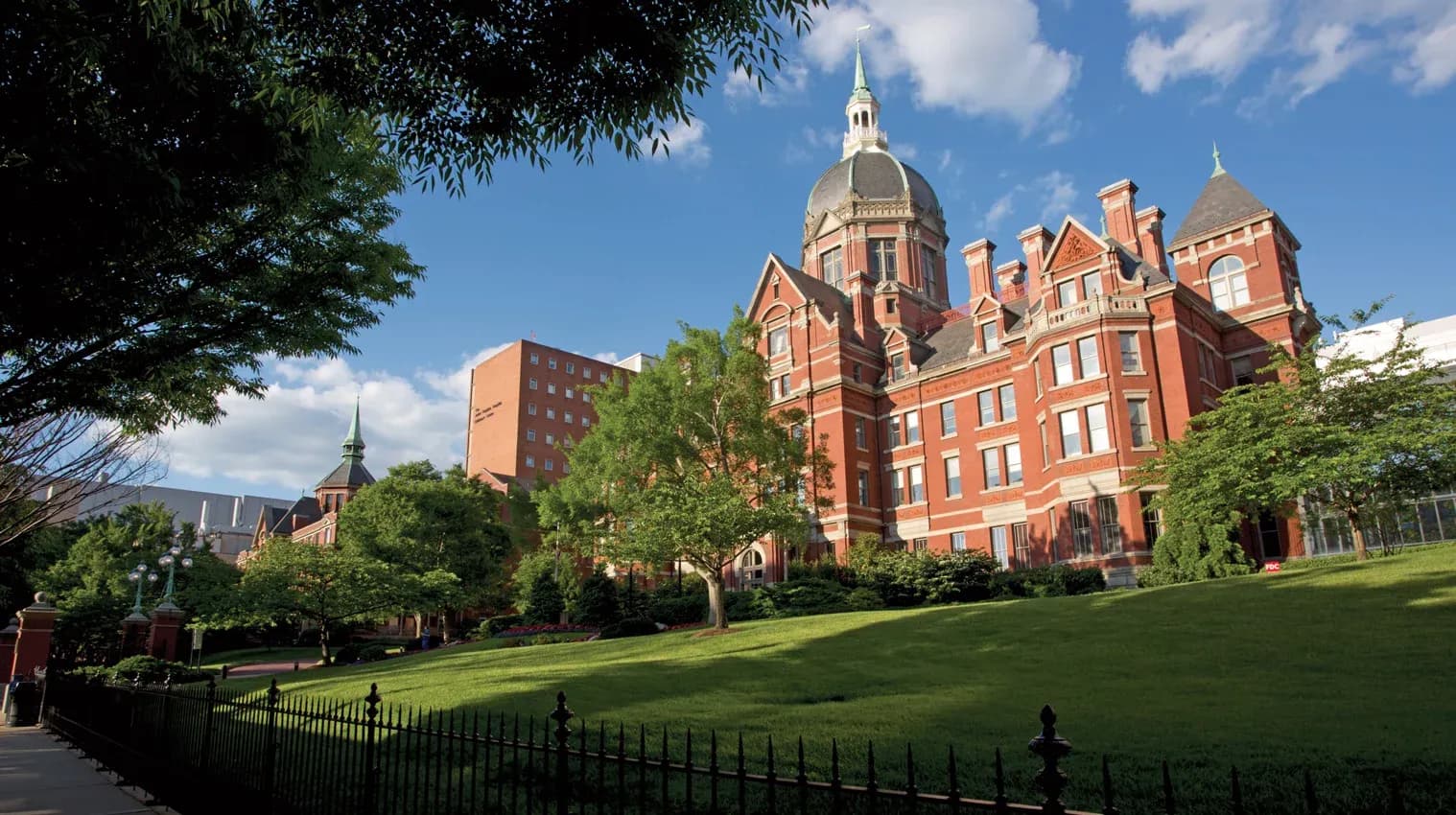
- Location: Johns Hopkins University, United States
- Field of Study: Philosophy
- Language of Instruction: English
Program Structure
Year 1 – Foundations of Philosophical Thought
- Introduction to Philosophy
- Logic and Argumentation
- Ancient Greek Philosophy
- Critical Reading and Writing
Year 2 – Ethics, Mind, and Modernity
- Moral Philosophy
- Philosophy of Mind or Language
- Early Modern Philosophy
- Elective in Political or Religious Philosophy
Year 3 – Advanced Theory and Specialized Topics
- Contemporary Ethical Theories
- Metaphysics or Epistemology
- Seminar in Continental or Analytic Philosophy
- Electives in Aesthetics, Law, or Social Philosophy
Year 4 – Capstone and Independent Inquiry
- Senior Thesis or Research Seminar
- Advanced Topics in Applied Philosophy
- Independent Study or Directed Reading
Career Opportunities
Graduates of the philosophy program possess a unique blend of analytical precision, ethical reasoning, and clear communication that is valued across a broad spectrum of professions. Many pursue roles in law, public policy, education, and journalism, where their ability to construct arguments, assess complex information, and articulate clear positions is essential. Others build careers in business, tech ethics, non-profit leadership, publishing, or academic administration, where critical decision-making and moral reflection are increasingly in demand. Philosophy students are also highly competitive candidates for graduate study in philosophy, political science, theology, linguistics, or cognitive science. The program’s emphasis on rigorous thinking, open dialogue, and reflective analysis prepares students to engage with both practical and theoretical challenges, making them adaptable, thoughtful, and ethically grounded professionals in diverse fields.
Why Choose This Program
This program is ideal for intellectually curious students who are drawn to fundamental questions about truth, morality, knowledge, and human existence. At Johns Hopkins University, philosophy students benefit from small seminars, close faculty mentorship, and a curriculum that balances historical breadth with contemporary relevance. The program fosters practical experience in research, writing, and debate, giving learners the opportunity to refine their thinking through dialogue, critical reflection, and interdisciplinary exploration. Students are encouraged to connect philosophy with current issues in science, politics, and society, developing skills that are applicable far beyond the classroom. With its focus on clarity, ethics, and philosophical depth, the program cultivates the kind of rigorous intellectual foundation that supports lifelong learning, informed citizenship, and leadership in any path a student may choose.
Contact Information
For further information, please contact the admissions office at:
Phone: +1 410 516 8000
Email: admissions@jhu.edu
Address: Johns Hopkins University, 3400 N. Charles Street, Baltimore, MD 21218, USA
