Philosophy
The Philosophy Bachelor of Arts program at Northwestern University offers students an intensive exploration of some of the most fundamental questions concerning human existence, ethics, knowledge, and the nature of reality. The curriculum is designed to sharpen reasoning abilities, promote clarity of thought, and cultivate analytical precision, enabling students to evaluate complex ideas and engage deeply with philosophical texts across eras and traditions. Students study ancient, modern, and contemporary thinkers while exploring diverse branches of philosophy such as logic, metaphysics, epistemology, ethics, political philosophy, and philosophy of mind. The program promotes not only academic engagement but also personal reflection, encouraging students to question assumptions and articulate thoughtful arguments about life’s most enduring questions.
In addition to its historical and theoretical depth, the program encourages interdisciplinary exploration by connecting philosophy with areas like literature, law, science, art, and political theory. Faculty-guided seminars, writing-intensive coursework, and independent research opportunities help students refine their ability to read critically, write persuasively, and speak with clarity. With access to distinguished faculty, regular colloquia, and campus events that foster philosophical discussion, students build a strong intellectual foundation grounded in rigorous inquiry and ethical awareness. The program cultivates skills that are valuable across all fields—logical analysis, problem-solving, and the capacity to interpret meaning—while also fostering a lifelong commitment to critical thought and open dialogue.
Key Facts
Key Facts
- Program Title: Philosophy
- Degree Type: Bachelor of Arts
- Duration: 4 years
- Mode of Study: Full-time, On Campus
- Application Deadline: 02 January 2026
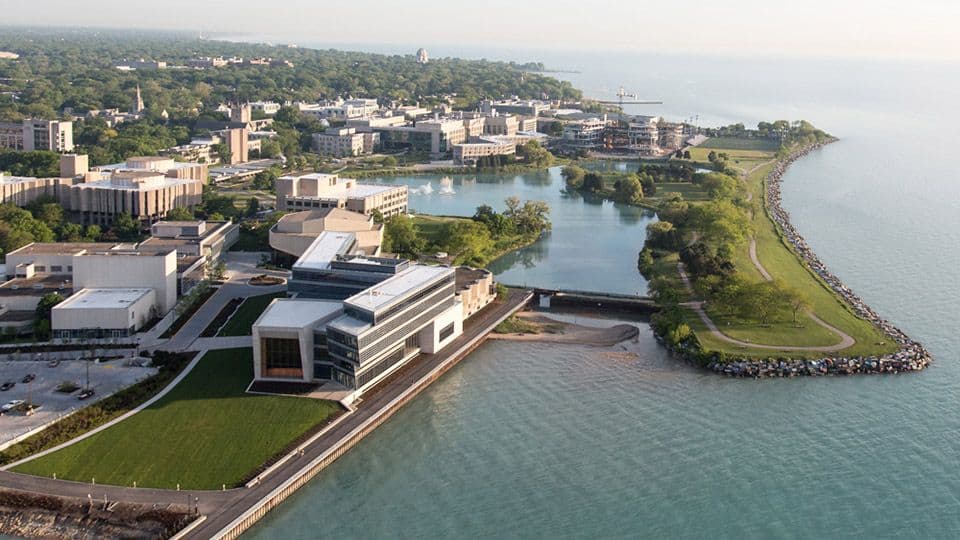
- Location: Northwestern University, United States
- Field of Study: Philosophy
- Language of Instruction: English
Program Structure
Year 1 – Foundations of Philosophical Thought
• Introduction to Philosophy
• Formal Logic
• Ancient Greek Philosophy
• Critical Reading and Argumentation
Year 2 – Historical & Conceptual Frameworks
• Modern Philosophy (Descartes to Kant)
• Ethics and Moral Philosophy
• Philosophy of Religion
• Social and Political Philosophy
Year 3 – Advanced Topics & Specialized Areas
• Philosophy of Science or Mind
• Continental Philosophy
• Epistemology and Metaphysics
• Seminar: Language and Meaning
Year 4 – Research, Application & Synthesis
• Independent Research or Honors Thesis
• Seminar in Contemporary Philosophy
• Philosophy and Public Life
• Senior Capstone Seminar
Career Opportunities
Graduates of the Philosophy program are recognized for their exceptional critical thinking, argumentation, and communication skills—assets that open doors to a wide spectrum of career paths. Many pursue further education in law, public policy, ethics, or academia, where philosophical training is highly regarded for its logical rigor and depth of reasoning. Others enter sectors such as journalism, business strategy, nonprofit advocacy, and technology ethics, where they apply their abilities to evaluate competing viewpoints, identify underlying assumptions, and communicate with clarity. Philosophy graduates are also well-equipped to work in education, human rights organizations, publishing, and government agencies, contributing to discourse and decision-making with moral insight and intellectual discipline. Employers across industries increasingly value candidates who can analyze problems from multiple angles, build sound arguments, and express complex ideas clearly—making philosophy graduates uniquely positioned for roles that require thought leadership, strategic insight, and ethical reflection.
Why Choose This Program
This program is an ideal choice for students who are not only curious about the fundamental nature of knowledge, existence, and morality, but also passionate about developing the tools to examine and challenge the world around them. Northwestern’s Philosophy program stands out for its balance between historical grounding and contemporary relevance, allowing students to engage deeply with both canonical texts and modern philosophical challenges. Whether exploring the logic of artificial intelligence, the ethics of biotechnology, or the philosophical dimensions of democracy, students are encouraged to connect abstract inquiry with real-world applications. The faculty’s commitment to mentorship and dialogue fosters a vibrant academic culture where ideas are tested, refined, and respectfully debated. Opportunities for independent research, honors theses, and interdisciplinary electives allow students to tailor their studies toward areas such as law, politics, cognitive science, or aesthetics. Beyond academic enrichment, the program cultivates a mindset of intellectual humility, ethical responsibility, and fearless questioning—traits that empower students not only to succeed in diverse careers, but to live examined and purposeful lives. Whether your goals involve graduate study, public service, or innovation in emerging fields, this program prepares you to think clearly, write persuasively, and contribute meaningfully in any context where ideas matter.
Contact Information
For further information, please contact the admissions office at:
Phone: +1 312 555 2040
Email: admissions@northwestern.edu
Address: University of Northwestern, 633 Clark Street, Evanston, IL 60208, United States
